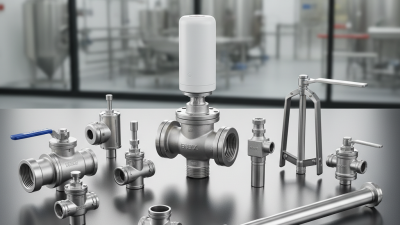
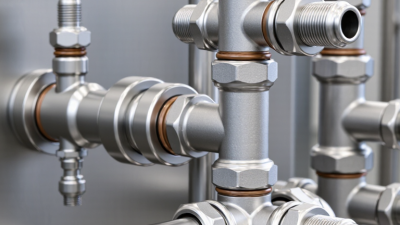
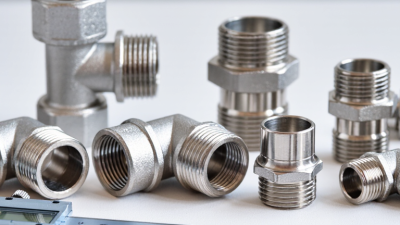
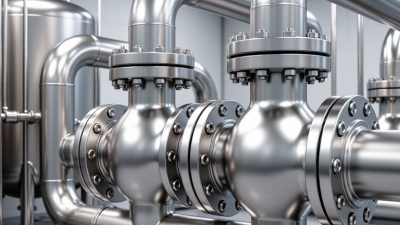
In 2026, choosing sanitary valves and fittings is less about selecting polished stainless steel and more about matching components to the process. A valve may look suitable in a catalog, yet its seal can swell, its flow path can trap residue, or its connection can slow maintenance. Small details matter.
Start with what moves through the line: product composition, temperature, pressure, cleaning method, and required flow. Compare wetted materials, surface finish, seal compatibility, connection style, and the ability to inspect or drain the assembly. A smooth-looking interior is not enough. Request material documentation, dimensional drawings, and relevant test records, then confirm they match the parts delivered. Consider how operators will access clamps, seats, and seals during cleaning or replacement. These choices affect downtime as much as purchase cost.
Check standards and certifications against the equipment’s intended market and process; never rely on a logo alone. Ask suppliers to explain specifications and provide consistent documentation. If the line handles changing recipes or frequent washdowns, test the proposed configuration under realistic conditions before ordering at scale. That step takes time. It may prevent a costly mismatch. There is no universally best valve: a compact butterfly valve may suit one application, while another requires a different design. This guide offers a practical way to assess options, question incomplete specifications, and choose components that support hygienic operation over time.
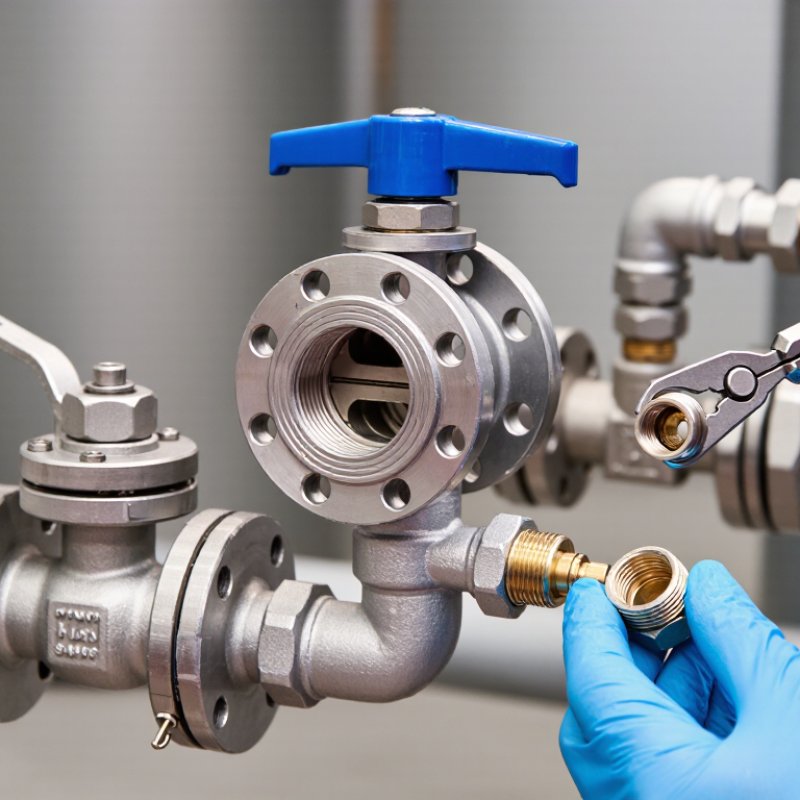
Start with the product and cleaning process, not the valve catalog. Record operating pressure, temperature, flow rate, viscosity, and any suspended solids. Then define whether cleaning happens in place or requires disassembly. These details affect valve geometry, seat materials, connection type, and drainability. Small details matter. A low point that traps rinse water can undermine an otherwise careful hygienic design.
Specify wetted materials and elastomers for the actual product, cleaning chemicals, and temperature range. State the required surface finish and inspection documents, and check that joints and internal passages are accessible for cleaning. The CDC’s 2011 foodborne illness estimates report about 48 million illnesses, 128,000 hospitalizations, and 3,000 deaths annually in the United States. These figures do not measure valve performance, but they show why hygienic equipment design and verified sanitation deserve attention. A specification can still miss something; review it with process and sanitation teams before purchase.
Tips: Write down the cleaning cycle, including chemical concentration, temperature, and duration. Ask suppliers for material and finish documentation, then confirm compatibility with your process. Measure twice. A perfect-looking fitting is not proof that the line drains or cleans well.
Sanitary valves and fittings should match the real process, not just the pipe size. Record operating and cleaning temperatures, pressure ranges, flow rate, and how often the system cycles. A valve exposed to repeated hot-water cleaning may need different sealing materials from one handling a cool product. Small details matter.
Product behavior matters just as much. A thin liquid may pass easily through a standard valve, while a viscous mixture can collect near seats or narrow passages. Consider whether the product contains particles, changes temperature, or dries quickly on contact with air. Look for smooth internal surfaces, drainable layouts, and connections that avoid hard-to-clean pockets. A fitting that appears tidy on a drawing may still trap residue after installation.
Check that body and seal materials suit both the product and the cleaning agents. Ask suppliers for material and temperature documentation, then compare it with actual operating conditions. If the process changes, reassess compatibility rather than assuming the original selection still works. That step is easy to overlook. A brief trial with the intended product can reveal sticking, leakage, or slow drainage before the system is fully commissioned.
| Process Conditions | Typical Application | Valve and Fitting Selection | Common Wetted Materials | Seal Considerations | Compatibility Checks |
|---|---|---|---|---|---|
| Ambient-temperature, low-viscosity liquid; frequent product changeover | Milk, beverages, and other fluid food products | Sanitary butterfly valve for straightforward on/off isolation; hygienic clamp or welded fittings for the line | 316L stainless steel is commonly selected for product-contact surfaces; 304 stainless steel may suit less corrosive, non-product-contact parts | EPDM is commonly used for water-based food and cleaning service when temperature and chemical limits are suitable | Check product acidity, chloride content, cleaning chemicals, surface finish, and applicable food-contact requirements |
| Hot water or steam-based cleaning; repeated heat-up and cool-down cycles | CIP or SIP cleaning circuits | Drainable sanitary ball, butterfly, or diaphragm valve designed for the cleaning duty; use fittings with smooth, cleanable transitions | 316L stainless steel is commonly used for wetted metal surfaces | Choose seals specifically rated for the actual steam temperature, exposure time, and cleaning chemistry; EPDM or PTFE may be suitable in some duties | Confirm the complete assembly’s temperature and pressure limits, thermal-cycle capability, drainage, and cleaning procedure compatibility |
| Frequent throttling or flow regulation of a hygienic liquid | Process flow control in food, beverage, or bioprocess lines | Sanitary diaphragm control valve or another valve designed for modulating service; avoid relying on an on/off valve for precise control | 316L stainless steel body; diaphragm material selected for the process and cleaning conditions | Diaphragm compounds vary in chemical resistance, temperature capability, and permeation; verify suitability for the exact fluid | Assess required flow range, pressure drop, control accuracy, dead-leg risk, and whether the valve can be cleaned and drained in place |
| Viscous, shear-sensitive, or particulate-bearing product | Yogurt, sauces, creams, or product streams containing suspended solids | Full-port sanitary ball valve or a product-appropriate hygienic valve; select bore and geometry to limit blockage and product retention | 316L stainless steel wetted surfaces are common; material choice depends on product chemistry and abrasion | Use seals that tolerate the product, cleaning agents, and mechanical cycling; inspect for wear where particles are abrasive | Check particle size, viscosity, shear sensitivity, seat design, drainability, and the risk of solids lodging in cavities |
| Acidic or alkaline product and cleaning exposure | Food processing, chemical processing, and CIP return lines | Sanitary valve and fitting geometry selected for cleanability, with corrosion-resistant wetted materials | 316L stainless steel is widely used, but suitability depends on concentration, temperature, exposure time, and chloride level | PTFE offers broad chemical resistance, but seal design and mechanical properties must suit the specific service; other elastomers require chemical review | Verify corrosion data for the exact chemical mixture and conditions; do not assume stainless steel or any seal is universally compatible |
| High-purity service with strict cleanability requirements | Pharmaceutical, biotechnology, or high-purity water systems | Sanitary diaphragm valve and hygienic fittings with documented surface finish, fabrication, and inspection requirements | 316L stainless steel is commonly specified for wetted metal surfaces | Select seals with documented extractables, leachables, and cleaning or sterilization suitability where required | Review surface finish, weld quality, drainability, documentation, material traceability, and the applicable validation requirements |
| Low-pressure utility or product transfer with a need for quick disassembly | Skid connections and removable process equipment | Sanitary clamp fittings and compatible valve ends where the connection standard is accepted by the site | Stainless steel fitting bodies are common; match material grade across the wetted connection | Gasket material must match the fluid, cleaning cycle, temperature, and connection geometry | Confirm connection dimensions and standard, gasket profile, clamp suitability, pressure rating, and installation requirements |
| Permanent process piping or higher mechanical loads | Fixed production lines and hygienic process skids | Sanitary butt-weld fittings and weld-end valves where permanent installation and qualified hygienic welding are appropriate | 316L stainless steel is commonly used for product-contact piping and fittings | Ensure valve seals are compatible with the process even when the body is permanently welded into the line | Specify weld procedure, internal finish, alignment, inspection, passivation, and pressure requirements for the complete system |
Selection note: These are general application examples, not universal ratings. Confirm chemical compatibility, pressure and temperature limits, connection standards, surface-finish requirements, and regulatory needs with qualified engineering data for the exact process conditions.
Choose sanitary valves by the product, cleaning method, and operating cycle—not by pipe size alone. A low-viscosity liquid may suit a butterfly valve, while a diaphragm valve can reduce product-holding spaces in hygienic service. For powders or thick mixtures, check whether the valve can pass solids without bridging. Small details matter. Consider temperature, pressure, flow direction, and how often operators must dismantle the line. For shared lines carrying different products, a mixproof valve may help separate streams, but its seals and leakage chamber still need a validated cleaning routine.
Match fittings to maintenance and drainage needs. Clamp connections allow frequent access; orbital-welded joints suit fixed lines, provided weld quality and inspection are controlled. Use drainable layouts and avoid pockets where rinse water or product can remain. ASME BPE-2022 specifies an SF1 product-contact surface finish of up to 20 μin Ra (0.51 μm); confirm the required finish against the process and applicable specification. EHEDG Document 8 also emphasizes hygienic design and cleanability. A polished surface alone does not guarantee cleanability. I would still verify the installed valve orientation and test the actual cleaning cycle—drawings can miss awkward low points.
2026 How to Choose Sanitary Valves and Fittings?
Compare Materials, Standards, and Cleanability
Material choice starts with the product and cleaning cycle. 316L stainless steel resists many corrosive environments, but chloride-rich solutions can still cause pitting. Confirm chemical concentration, temperature, and exposure time against supplier compatibility data. For elastomers, check food-contact requirements and repeated-use suitability, not just the polymer name. Small details matter.
Standards help make inspection measurable. 3-A Sanitary Standards and ASME BPE address hygienic design, surface finish, and cleanability; required finishes vary by application. A surface roughness target near Ra 0.8 μm is common, but verify the project specification and finish records. Inspect valve seats, diaphragm edges, welds, and drainability: product trapped in a crevice can defeat an otherwise sound cleaning cycle. The CDC’s 2011 foodborne-illness estimates reported 48 million illnesses annually in the United States, underscoring why hygienic design deserves careful attention; that figure is not a measure of valve performance. It is easy to overvalue alloy grade and undercheck gasket geometry. Review the actual assembly, then confirm that the cleaning procedure reaches every product-contact surface.
Compare minimum chromium, nickel, and molybdenum content for common stainless-steel grades used in hygienic equipment.
316L requires molybdenum, which can improve resistance to chloride-related corrosion; 304 has no minimum molybdenum requirement. Alloy composition alone does not determine cleanability: sanitary design, surface finish, weld quality, drainage, and compatibility with the cleaning process also matter. Values shown are minimum composition limits commonly specified for these grades in ASTM A240/A240M wrought sheet, plate, and strip; verify the applicable product-form specification and hygienic requirements.
2026 How to Choose Sanitary Valves and Fittings?
Confirm Sizing, Installation, and Maintenance Needs
Sanitary valve sizing starts with process data, not pipe diameter alone. Check flow rate, pressure, temperature, product viscosity, and cleaning method. A valve that is too small can restrict flow; an oversized unit may control poorly. Confirm connection types and end dimensions against the piping drawing before ordering. For thick sauces, a wider passage may reduce product hold-up and improve drainage. Verify the choice under actual operating conditions.
Plan installation access before the line is assembled. Check the valve’s permitted orientation, flow direction, and clearance for handles or actuators. Make sure joints are aligned without forcing them into place. Specify compatible wetted materials and seals, and request documentation for surface finish and cleaning compatibility. Leave space to remove seals and service moving parts. Even careful sizing can miss something; treat early estimates as estimates, then review them with process and maintenance teams.
Tips: Keep a simple maintenance record with inspection dates, seal changes, and any leakage or slow movement. If cleaning takes longer than expected, review drainability and installation angles before changing the valve.
By continuing to browse or by clicking “Accept All Cookies,” you agree to the storing of first- and third-party cookies on your device to enhance site navigation, analyze site usage, and assist in our marketing efforts. View our Privacy and Cookie Policy.