Choosing the top stainless sanitary fittings suppliers in China takes more than comparing prices or polished product photos. Buyers need to check material grades, dimensional consistency, surface finish, weld quality, and traceable inspection records. A fitting may look mirror-bright under showroom lights, yet still have rough edges around a weld or dimensions that complicate installation. Details matter.
Quality-management expert Philip Crosby captured a useful principle in his book title, “Quality Is Free.” Applied to sanitary fittings, that idea means defects can cost more than careful verification: rework, delays, and product-contact surfaces that are difficult to clean. It is a broad quality principle, not a statement Crosby made specifically about fittings.
This guide compares suppliers through practical signals: documented material specifications, sample inspection, manufacturing capability, quality-control procedures, and responsiveness to technical questions. Buyers should also confirm that certificates match the actual products and orders; paperwork alone is not proof of consistent production. Ask for clear drawings, tolerances, and close-up images of welds and internal surfaces. If possible, inspect samples under good light and check their dimensions with suitable measuring tools. No single checklist guarantees a good purchase. Supplier claims still need verification, and a confident sales reply can leave important questions unanswered. That is worth admitting. The aim here is not to declare one factory best for every project, but to help readers identify credible stainless sanitary fittings suppliers and make comparisons based on evidence.
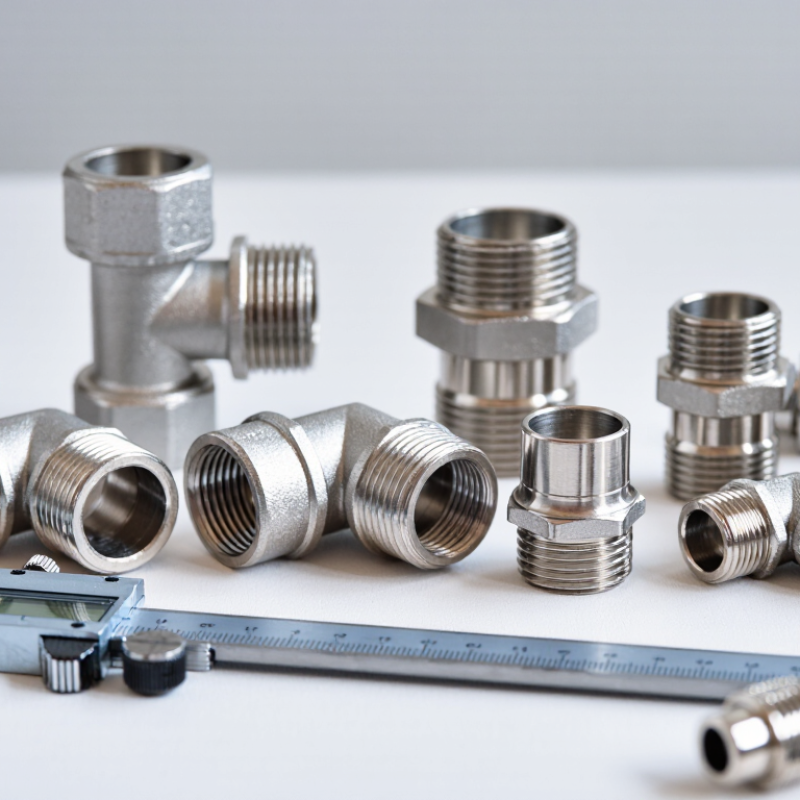
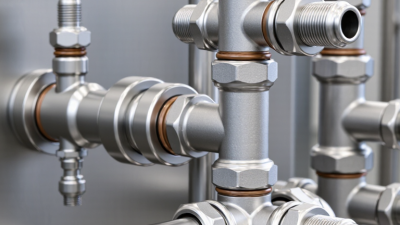
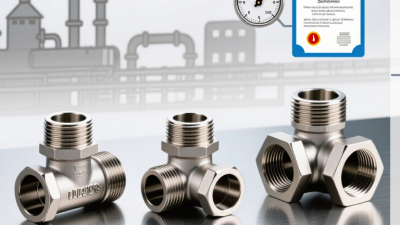
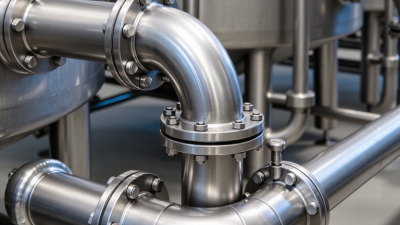
Stainless sanitary fittings connect pipes and equipment in systems where cleanliness matters. Common examples include elbows, tees, reducers, clamps, and unions. Their smooth surfaces and removable joints can make inspection and cleaning easier. Small parts matter. Material choice matters, too: stainless steel grade, surface finish, and product compatibility should suit the process.
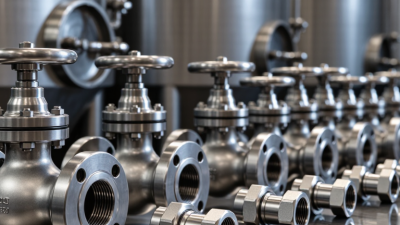
These fittings are widely used in food and beverage processing, dairy plants, breweries, cosmetics production, and pharmaceutical manufacturing. You may find them around tanks, pumps, filling lines, and washdown areas. For example, a clamp fitting can help workers open a pipe joint for inspection without cutting the line. Still, “sanitary” does not guarantee a clean system. Poor installation, worn seals, or residue in a joint can undermine hygiene. It is worth checking actual specifications, not just appearance.
Tips: Confirm the steel grade and seal material against the fluid, temperature, and cleaning routine. Ask for dimensional and surface-finish details, and verify that fittings match the connected tubing. A polished fitting can look reassuring, but it is not proof of suitable design or workmanship.
In China, sanitary fitting quality depends on material safety, fabrication, and documented inspection—not one certificate. GB 4806.9-2023 sets food-contact safety requirements for metal materials and articles. GB/T 20878 helps identify stainless steel grades, but a grade name alone does not verify a fitting’s composition. Ask for traceable material certificates and relevant test records. Small details matter.
For design and finish, buyers often specify dimensions, weld quality, surface roughness, and cleanability. ASME BPE and ISO 2037 can provide useful technical references, but they are not automatically mandatory Chinese requirements. The International Stainless Steel Forum’s Stainless Steel in Figures 2024 reports 58.4 million tonnes of global stainless steel production in 2023, including about 36.7 million tonnes in China. That scale shows a broad materials base, not consistent fitting quality. A polished surface can still conceal poor welds.
Tips: Put the required steel grade, agreed surface-finish value, inspection method, and acceptance criteria in the purchase specification. Request photos or inspection records for internal welds and hard-to-clean areas. Standards help, but supplier evidence needs a careful read.
Assessing Chinese stainless sanitary fittings suppliers takes more than comparing prices. Ask for mill test reports that identify the steel grade and heat number, then verify those details against the delivered fittings. For product-contact parts, request surface-finish readings and weld-inspection records. A smooth-looking elbow is not proof of a cleanable surface. Specify the required finish, such as Ra ≤0.8 μm, only when it suits your process and applicable design criteria.
The World Stainless Association reported global stainless steel production of 58.4 million tonnes in 2023, up 4.6% from 2022. This indicates a large material supply base, not that any individual supplier meets hygienic requirements. Review sample fittings for consistent dimensions, clean welds, and traceable material markings. Check whether the supplier can explain its inspection steps and provide recent, relevant records. A tidy document pack can still have gaps; verify a sample before approving routine orders.
Tips: Send the same drawing and inspection checklist to each supplier. Ask for a sample with its material certificate, surface-finish result, and dimensional report. Compare the records with the actual part, not just the quotation. Keep one point unresolved? Ask the supplier to clarify it in writing before production.
| Assessment Dimension | What to Check | Useful Evidence to Request | Evaluation Guidance |
|---|---|---|---|
| Material grade and traceability | Confirm the specified stainless-steel grade, product form, and heat or lot traceability for each order. | Material test certificate, heat-number records, purchase documentation, and a sample showing how markings link to the certificate. | Check that certificate details match the goods and the purchase specification. Do not assume a grade based on appearance alone. |
| Applicable product standards | Verify that the proposed tubing, fittings, and connections meet the standards and dimensions required for the intended application. | Product drawings, dimensional inspection records, and a written list of applicable standards and editions. | ASTM A270/A270M covers sanitary tubing; ASME BPE may be relevant to bioprocessing equipment. Confirm the scope and requirements for the specific product and project. |
| Connection and dimensional compatibility | Check end type, tube outside diameter, wall thickness, fitting dimensions, and compatibility with mating components. | Dimensioned drawings, tolerances, inspection reports, and samples for fit-up where appropriate. | Compare measurements with the buyer’s drawings or specified standard. For clamp connections, confirm the required system and dimensions; ISO 2852 is one relevant standard for stainless-steel clamp pipe couplings in the food industry. |
| Surface finish and cleanability | Define the required internal and external finish, polishing method, and roughness-measurement location. | Written finish specification, surface-roughness measurement records where required, and representative samples. | Use a stated Ra limit only when it is specified for the application. A finish value should identify the measured surface and method; visual appearance alone does not establish roughness. |
| Welding and fabrication control | For welded products, review weld consistency, fabrication procedures, and any required post-weld treatment. | Welding procedure documentation, welder qualifications where applicable, process records, and inspection criteria. | Set acceptance requirements in the purchase specification. Requirements vary with product design, service conditions, and applicable codes. |
| Inspection and testing | Establish which dimensional, visual, material, and pressure or leak tests apply to the ordered product. | Inspection and test plan, sample inspection report, test method, acceptance criteria, and calibrated-equipment records where relevant. | Confirm that tests match the product and stated requirements. Do not treat a pressure rating or test result as universal across different designs and sizes. |
| Quality-system controls | Assess documented procedures for incoming materials, production checks, nonconforming products, and corrective actions. | Current quality-system certificate, scope and issuing body details, audit information, and examples of inspection records. | Check certificate validity and scope independently. A management-system certificate does not by itself prove that a particular fitting meets its specification. |
| Sampling and pre-shipment verification | Agree how samples, first-article checks, final inspection, and shipment release will be handled. | Approved sample, signed specification, inspection checklist, dated photographs, and third-party inspection report if required. | Use measurable acceptance criteria and document any approved deviations before production or shipment. |
| Packaging and contamination prevention | Check protection of sealing faces and finished surfaces during handling, storage, and transport. | Packaging specification, sample packaging photos, and procedures for separating and protecting finished components. | Packaging should suit the product and transport route and help prevent scratches, dirt, moisture exposure, and damage to connection surfaces. |
| Commercial and delivery reliability | Clarify lead time, order quantities, change control, warranty terms, and the process for resolving quality issues. | Written quotation, order schedule, agreed inspection milestones, warranty terms, and a named contact for corrective actions. | Compare like-for-like specifications and delivery terms. Record commitments in the purchase order rather than relying only on verbal assurances. |
Leading Stainless Sanitary Fittings Suppliers in China are best assessed by process control, not catalogue size. World Stainless Association reported global stainless-steel melt-shop production of 58.4 million tonnes in 2023, with China accounting for about 36.7 million tonnes. This shows the scale of the country’s stainless-steel supply base, but it does not prove that any supplier specializes in hygienic fittings.
Small details matter.
Ask whether a supplier makes fittings in-house or sources them from other factories. For food, beverage, and pharmaceutical lines, inspect weld transitions, internal surface finish, dimensional tolerances, and material traceability.
Request material test reports and production records for the specific batch, not just a generic certificate. Ask how the supplier checks leakage and verifies finished dimensions. ISO 2852 provides a reference for clamp-type couplings, while project requirements may call for additional checks.
A factory audit or sample inspection can reveal rough edges or inconsistent polishing that a quotation will not show. I would not rank suppliers by export claims alone; that is an easy mistake. These checks are useful, but they cannot replace testing against the buyer’s actual drawings and operating conditions.
When sourcing sanitary fittings from China, start with the product’s actual use: food processing, beverage lines, or pharmaceutical equipment can require different materials and surface finishes. The World Stainless Association reported 58.4 million tonnes of global stainless-steel production in 2023, with China producing about 36.7 million tonnes. That scale supports broad manufacturing capacity, but it does not guarantee hygienic design or consistent quality.
Ask suppliers to identify the steel grade and provide heat-specific material certificates, dimensional drawings, and inspection records. Check welds, internal surfaces, gasket contact areas, and the specified roughness value. Request photographs of marked parts and confirm that markings match the documents. Small details matter. A polished sample can still differ from a later production batch, so approve a pre-shipment sample and define acceptance checks in writing. Ask for evidence.
Also assess traceability, cleaning compatibility, packaging, lead time, and how nonconforming items are handled. An independent inspection can verify dimensions and surface condition before shipment, especially for repeat orders. Standards such as ASTM A270 or ASME BPE may help frame requirements, but confirm they fit the application and contract. Certificates deserve review, not just collection. I would not treat the lowest quote as the best value; unclear tolerances or missing records can create costly delays later.
Typical specified composition ranges by weight for selected elements. Compare the grade on the supplier’s material test certificate with the requirements for your fitting and applicable product standard.
316L includes a specified molybdenum range, which can improve corrosion resistance in chloride-containing environments. These chemistry ranges alone do not establish sanitary suitability; also verify surface finish, dimensions, traceability, and required certifications.
By continuing to browse or by clicking “Accept All Cookies,” you agree to the storing of first- and third-party cookies on your device to enhance site navigation, analyze site usage, and assist in our marketing efforts. View our Privacy and Cookie Policy.