
What Are the Top Types of Pump Fittings?
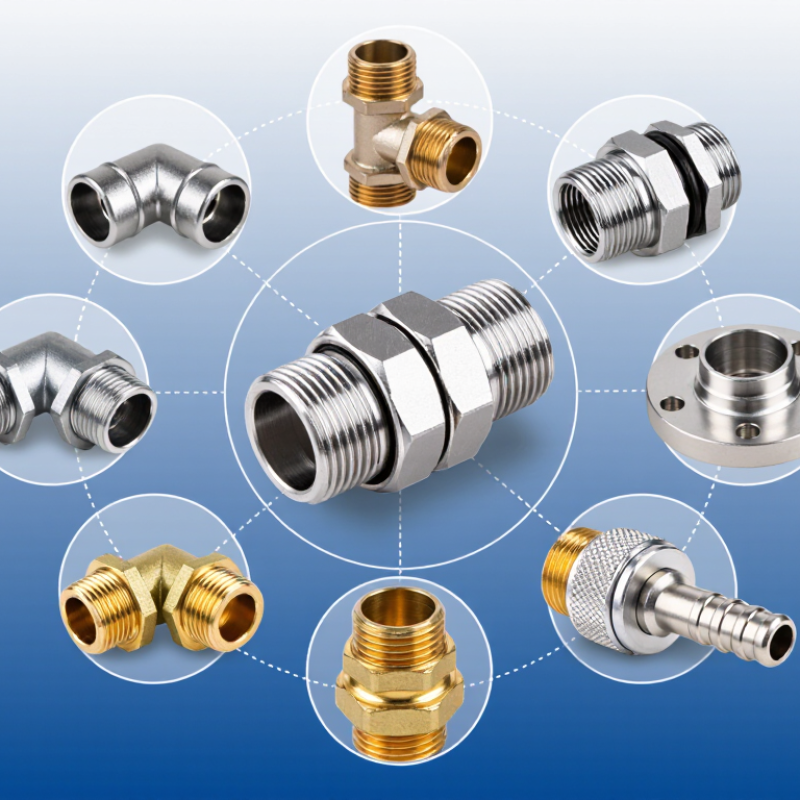
Pump fittings are the connection points that help a pump work with pipes, hoses, valves, and other equipment. They may look like small hardware, but the wrong fitting can lead to leaks, restricted flow, or difficult maintenance. Common types include couplings, adapters, elbows, tees, reducers, unions, flanges, and hose connectors. Each serves a different purpose, from joining two lines to changing direction or matching different connection sizes.
Choosing pump fittings takes more than checking whether a thread appears to fit. The fluid, operating pressure, temperature, pump design, and fitting material all matter. A stainless-steel adapter, for example, may suit one installation but not every chemical or service condition. Check the pump documentation and fitting specifications before selecting components. Details matter.
This guide introduces the top types of pump fittings and explains where each is commonly used. It also highlights practical selection factors, including connection style, size, material compatibility, and access for inspection. These basics can help narrow the options, but they are not a substitute for reviewing the equipment requirements. It is easy to overlook a small mismatch. A careful check can save time when the system is assembled, tested, and maintained.
How Pump Fittings Connect Components in a Pump System
A pump fitting is the joining point between a pump and the pipes, hoses, valves, or gauges around it. Its shape and connection style help keep fluid moving while limiting leaks and unwanted vibration. On the suction side, a poorly sealed joint can draw in air and interrupt flow. Small leaks matter.
Threaded fittings screw into matching ports and are common on compact equipment, but threads need suitable sealing and careful tightening. Flanged fittings use bolts and a gasket to create a firm, serviceable connection on larger lines. A union has a removable center, so a technician can disconnect equipment without turning the whole pipe. Hose-barb fittings grip flexible hose with a clamp. Each style solves a different access or pressure requirement; none is automatically the best choice.
A fitting must match the pipe size, fluid, temperature, and operating pressure specified for the system. At the inlet, smooth transitions can help avoid sharp restrictions. At the outlet, secure joints support steady discharge and make maintenance easier. Alignment matters, too: forcing a pipe to meet a pump port can put stress on the casing. In practice, installations are not always perfectly straight. That is a reason to check clearances and connections before operation, rather than assuming a tight-looking joint is sound.
What Are the Top Types of Pump Fittings? — How Pump Fittings Connect Components in a Pump System
| Fitting Type | How It Connects Components | Common Location or Use | Key Selection Considerations |
|---|---|---|---|
| Flange | Joins a pump nozzle to a pipe or valve using bolted faces and a gasket. | Pump suction and discharge connections, especially in fixed industrial piping. | Match the nominal size, pressure class, facing, bolt pattern, and gasket material to the mating parts and service conditions. |
| Threaded adapter | Connects components through matching internal or external threads. | Smaller pipework, gauges, drains, and some utility or process connections. | Confirm thread standard and size. Use a suitable sealing method, and avoid excessive tightening that could damage the fitting or port. |
| Union | Creates a detachable joint that can be separated without rotating the connected pipe. | Near pumps, strainers, or valves where inspection or removal may be needed. | Check the connection standard, pressure and temperature ratings, seal design, and compatibility with the pumped fluid. |
| Reducer | Connects pipes of different diameters and transitions between sizes. | At a pump inlet or outlet where the pipe size differs from the pump nozzle. | Choose a suitable reducer arrangement and orientation. On suction lines, avoid layouts that can trap air or create poor flow conditions. |
| Elbow | Changes the direction of flow, commonly by 45° or 90°. | Where the piping route must turn near a pump or within a system. | Consider available space, connection type, material, and the added flow resistance of the fitting. |
| Tee | Connects a branch line to a main line, typically at a right angle. | Bypasses, drainage branches, instrument connections, or distribution piping. | Match the branch and run sizes, pressure rating, and flow direction requirements of the installation. |
| Pipe coupling | Joins two pipe ends, usually in a straight run; some designs also accommodate limited movement. | Connecting pipe sections or joining compatible components in a pipeline. | Check the joining method, pipe material, alignment needs, and the fitting’s rated operating conditions. |
| Hose barb and clamp connection | Secures a flexible hose over a ridged fitting, commonly with a clamp. | Flexible suction or discharge hose connections in suitable low- or moderate-pressure applications. | Match the barb to the hose inside diameter and material. Confirm pressure, vacuum, temperature, and fluid compatibility. |
Fitting suitability depends on the pump, piping standard, fluid, temperature, and operating pressure. Always verify component ratings and connection compatibility before installation.
Related Posts
-

China Top 10 Pump Fittings Suppliers for Global Buyers
-
What Are the Top 10 Pump Fittings for Global Buyers?
-

Why Choosing the Right Pump Fittings is Crucial for Your System Performance
-
Top China Best Pump Fittings for Global Buyers?
-
How to Choose the Best Water Valves for Your Needs?
-

Top Sanitary Fittings Suppliers in China for Global Buyers?