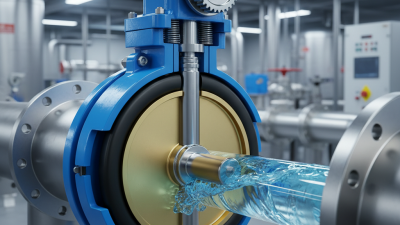
China Top 10 Pump Fittings Suppliers for Global Buyers
China has become a major sourcing destination for pump fittings used in water treatment, chemical processing, agriculture, and industrial systems. This guide introduces ten Chinese suppliers serving global buyers with different technical and production strengths. Each company may offer flanges, couplings, adapters, valves, seals, or customized connection parts.
Quality begins with details.
A reliable supplier should provide clear material specifications, dimensional drawings, pressure ratings, and inspection records. Stainless steel grades, thread standards, surface finishes, and gasket compatibility can directly affect installation safety. Experienced manufacturers often support CNC machining, casting, forging, and sample approval before mass production. Their workshops may include coordinate measuring machines, pressure-testing benches, and batch traceability systems.
This list considers manufacturing experience, export capability, product range, certifications, customization support, and customer communication. It also reflects practical concerns faced by buyers, including minimum order quantities, packaging quality, lead times, and after-sales response. However, supplier rankings are not permanent. Factory capacity, certifications, and management standards can change. Public information may also be incomplete.
Buyers should verify current certificates.
Before placing an order, request recent test reports and production samples. Confirm whether fittings match the pump model, fluid properties, operating temperature, and working pressure. A low quotation may hide weaker materials or limited inspection. In my view, careful technical verification matters more than a polished company profile. This overview offers a starting point, not a substitute for independent due diligence.
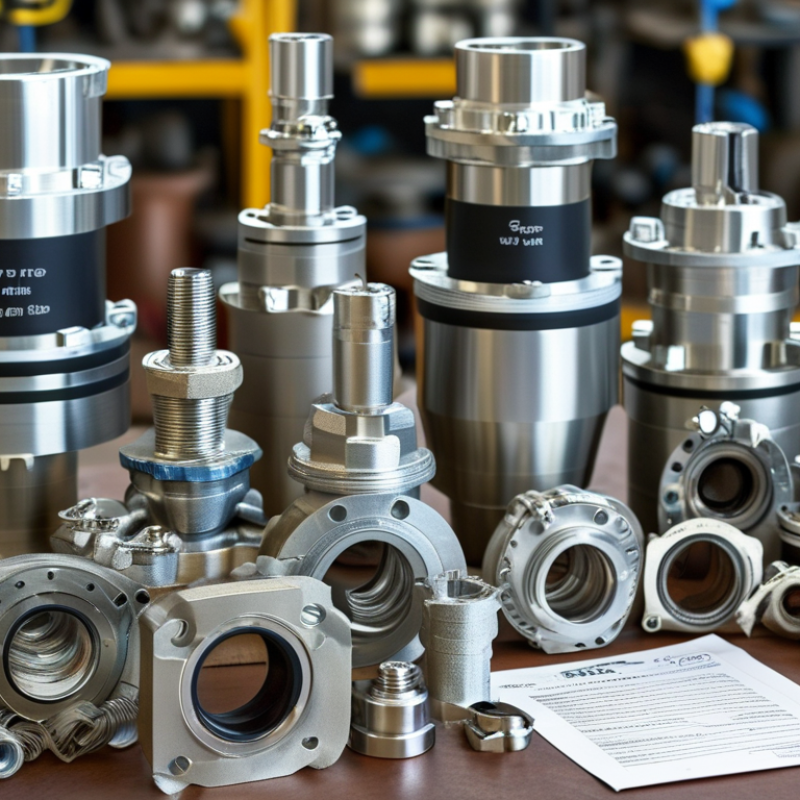
What Pump Fittings Are and Why Chinese Suppliers Serve Global Markets
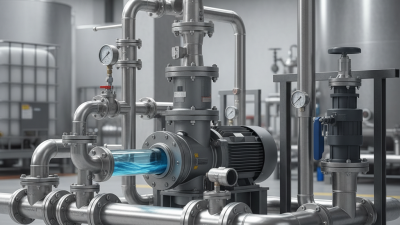
Pump fittings are the connection points that help a pump move liquid safely through a system. They include elbows, threaded adapters, flanges, unions, reducers, and sealing components. They control direction, size, pressure, and maintenance access. They are small parts. Fit matters.
Chinese suppliers serve global buyers because they combine broad manufacturing capacity with flexible customization. Many factories produce fittings from stainless steel, brass, carbon steel, or engineered plastic. Buyers can request specific thread types, flange dimensions, surface finishes, and sealing materials. This flexibility helps match pumps used in water treatment, irrigation, heating systems, and general industrial equipment.
Experienced buyers should review material certificates, pressure test records, dimensional reports, and production samples. Clear drawings are essential. A one-millimeter error can cause leakage or installation delays. Chinese suppliers also support export packaging, private specifications, and smaller trial orders, which can reduce early purchasing risk. However, low prices do not always indicate real value. Some suppliers may offer incomplete testing or inconsistent batches. That point deserves reflection. A reliable supplier should explain tolerances, inspection methods, lead times, and corrective actions without vague promises. Product quality can still vary between factories, so independent inspection remains useful for important projects.
How to Identify and Rank China’s Top 10 Pump Fittings Suppliers
China Top 10 Pump Fittings Suppliers for Global Buyers
How to Identify and Rank China’s Top 10 Pump Fittings Suppliers
A credible ranking starts with evidence, not search-engine visibility. During supplier evaluations, check factory ownership, production capacity, and quality-control responsibilities. A trading company may still perform well, but its manufacturing partners must be clearly disclosed. Ask for business licenses, factory photographs, inspection records, and recent customer references. Ask for proof.
Technical capability deserves more weight than attractive pricing. Compare fitting materials, pressure ratings, connection standards, dimensional tolerances, and corrosion resistance. Request samples with marked measurements and inspect threads, sealing surfaces, and weld quality. Independent laboratory reports can confirm material grades and pressure performance. One missing document should reduce confidence.
Rank suppliers against a transparent scorecard. Consider product consistency, delivery history, customization skills, export experience, communication speed, and after-sales response. A practical weighting might give quality 30 percent, reliability 25 percent, technical support 20 percent, pricing 15 percent, and documentation 10 percent. Verify claims through factory audits and small trial orders. Numbers can mislead.
Global buyers should also examine packaging, labeling, spare-part availability, and corrective-action records. A supplier that admits past defects may be more trustworthy than one claiming perfection. That point is easy to overlook. Review warranty terms carefully, especially for leakage, corrosion, and dimensional failure. Recheck the ranking every six or twelve months, because capacity, staff, and subcontracting arrangements can change. A spreadsheet score is never perfect.
Supplier Profiles: Products, Industries, Certifications, and Export Reach
China’s top ten pump-fitting suppliers increasingly serve water treatment, mining, chemicals, food processing, and energy projects. Their product ranges commonly include pipe couplings, flanges, valves, strainers, mechanical seals, and custom stainless-steel fittings. Product depth matters. A supplier offering only standard threaded parts may struggle with corrosive brine or high-temperature fluids.
The Global Pump Market report by Grand View Research valued the market at about USD 68 billion in 2023. That demand supports wider sourcing, but buyers still need evidence. Strong supplier profiles show ISO 9001 quality systems, material traceability, pressure-test records, and relevant CE or API documentation. Certificates should be checked against issuing bodies. A polished PDF is not proof.
Export reach is another useful filter. International suppliers commonly ship to Southeast Asia, Europe, the Middle East, Africa, and North America. Experienced teams understand pallet protection, container loading, HS codes, and local documentation. ITC Trade Map data identifies China as a major exporter under HS 8413, covering pumps and related equipment. However, export volume does not guarantee fitting accuracy. Ask for dimensional drawings, alloy grades, coating details, and sample inspection results. I would also review their response speed after a technical complaint. That uncomfortable test often reveals more than a factory tour.
How Global Buyers Can Compare Quality, Pricing, and Customization
Global buyers comparing China’s top ten pump fittings suppliers should inspect more than catalog photos.
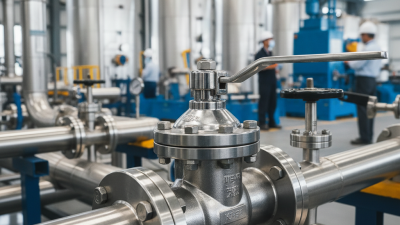
Ask for material certificates, dimensional reports, pressure-test records, and recent production samples. Stainless steel surfaces should feel even, without deep tool marks or visible pitting. Check thread accuracy with a matching gauge. Small errors can cause costly leakage during installation.
Quality needs practical verification.
Request an online factory tour or visit the workshop when order value justifies travel. Review equipment age, inspection procedures, worker training, and batch traceability. Independent testing can confirm pressure ratings and corrosion resistance. Do not rely only on supplied documents. Some reports may describe an ideal batch, not everyday production. This is where buyer experience matters.
Pricing should include tooling, packaging, testing, delivery terms, and replacement policies.
A low unit price may hide expensive molds or inconsistent tolerances. Compare at least three quotations using the same drawings and annual volume. For customization, clarify connection size, metal grade, surface treatment, logo placement, and tolerances in writing. Require a prototype before mass production. It may slow the schedule. Still, a prototype often exposes unclear specifications, weak sealing areas, or an impractical design before thousands of fittings are made. Suppliers that explain limitations openly are usually more dependable than those promising everything immediately.