How to Choose the Best Water Valves for Your Needs?

Choosing the right water valves is crucial for effective plumbing systems. According to John Thompson, a renowned expert in fluid control, “Selecting the right valve can make all the difference in efficiency.” Water valves come in various types and sizes, making the selection process complex.

Consider your specific needs. Different applications require specific features. Think about pressure ratings, sizes, and materials. Some valves resist corrosion, while others are designed for high-pressure systems. It’s important to match these specifications. Overlooking this can lead to failures or inefficiencies.

You may encounter challenges in the selection process. There are countless options on the market. Not every valve is suitable for your system. Research and consult professionals when needed. An informed choice will save you time and money in the long run.
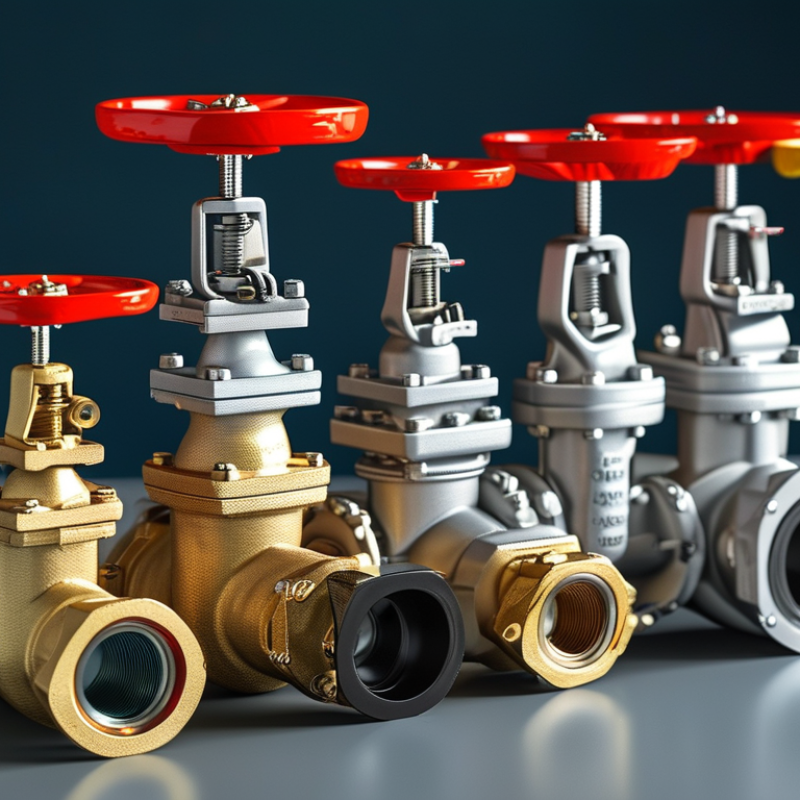
How to Choose the Best Water Valves for Your Needs?

Understanding the Different Types of Water Valves Available

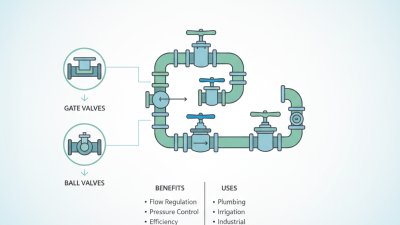
Choosing the right water valve begins with understanding the types available. Water valves come in various designs, each serving different functions. Gate valves are often used for on/off control. Their simple design allows for full flow with minimal resistance. However, they are not ideal for throttling. Depending on your needs, this may or may not be an issue.

Another type is the globe valve, which excels in regulating flow. Its interior structure creates turbulence, allowing for precise adjustments. While effective, this can lead to pressure drops. If your system requires consistent pressure, it’s important to reflect on this limitation.

Check valves prevent backflow, ensuring water only moves in one direction. They are crucial in preventing contamination but may require regular maintenance. Each valve type has its pros and cons. Make sure to consider your specific application. Understanding these differences can lead to more informed decisions.

Water Valve Types Comparison

Key Factors to Consider When Selecting Water Valves

When selecting water valves, several key factors come into play. Understanding the type of fluid involved is crucial. For example, a report by the American National Standards Institute states that different fluids impose varying levels of stress on materials. This means that a valve designed for clean water might not be suitable for wastewater, where corrosive elements are present.

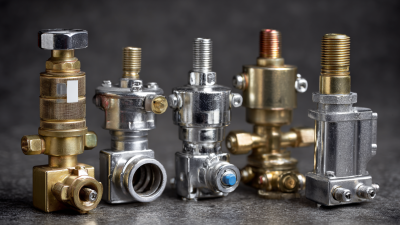
Material selection is another vital area. Common options include brass, stainless steel, and PVC. According to industry studies, the right choice can enhance durability and functionality. Brass valves, for instance, offer robust performance in high-pressure systems. Meanwhile, PVC is lightweight and resistant to corrosion but may falter under high temperatures. Valves must also comply with industry standards to ensure reliability and performance.

Lastly, consider installation and operational requirements. A complex valve might complicate installation, leading to unexpected costs. Research indicates that simple designs often yield better long-term results. Some users have shared experiences where overly complicated systems left them frustrated. The right valve choice eases maintenance and ensures effective water flow management.

Assessing Material Durability and Compatibility for Water Valves

Choosing the right water valves involves careful consideration of material durability and compatibility. Different environments can affect a valve's performance. For instance, valves used in high-pressure situations require robust materials like brass or stainless steel. These materials offer strength and reliability. However, they can be more expensive than plastic options.

Plastic valves may be suitable for less demanding applications. They resist corrosion but can become brittle over time. The exact conditions in which the valve operates are crucial. High temperatures or exposure to certain chemicals may degrade plastic. Assessing the surroundings is imperative.

It's important to consider factors like water quality and flow rate. This can create challenges when selecting materials. A valve that works well in one situation might fail in another. Taking the time to evaluate each element can prevent future complications. While there are many options available, understanding durability and compatibility can lead to better decisions.

Evaluating Flow Rates and Pressure Requirements for Optimal Use

Choosing the right water valve hinges significantly on understanding flow rates and pressure requirements. A recent study by the American Society of Plumbing Engineers highlights that improper selection can lead to inefficiencies, costing up to 20% more in operational expenses. Water valves must be compatible with your system's demand for both flow and pressure. For example, low-flow systems may require throttling valves that maintain adequate pressure without wasting water.

To optimize performance, assess the flow rate needed for your specific application. Flow rates are measured in gallons per minute (GPM). A standard residential valve might support 10-15 GPM, but industrial applications could necessitate valves designed for 50 GPM or more. It’s essential to define your system's peak demand to avoid bottlenecks. Consider also the pressure range; most residential systems operate between 40-60 psi. Knowing these figures helps in avoiding potential pitfalls associated with under or over-pressurized valves.

Understanding your flow needs is key. Evaluate the specifications of valves before making a decision. The right choice balances performance and reliability. Always consider future changes in system demands; what works today may not meet future needs. Selecting valves too small for expected growth can lead to significant regrets later on, as flows may become restricted.

How to Choose the Best Water Valves for Your Needs?

Valve Type Flow Rate (GPM) Pressure Rating (PSI) Material Application
Ball Valve 15 GPM 150 PSI Brass Water Supply
Gate Valve 20 GPM 300 PSI Stainless Steel Industrial Use
Check Valve 10 GPM 200 PSI PVC Drainage
Globe Valve 12 GPM 250 PSI Cast Iron Control Flow
Pressure Relief Valve 5 GPM 150 PSI Bronze Safety

Installation and Maintenance Tips for Water Valves to Ensure Longevity

When selecting water valves, proper installation and maintenance are key to ensuring their longevity. Begin by examining the area where the valve will be installed. Make sure the location is dry and accessible. Keep the surrounding area clear of debris. Using the right tools is crucial during installation. Once the valve is in place, securely tighten all connections. Avoid overtightening as it may cause damage.

Regular maintenance is essential for optimal performance. Check the valve periodically for leaks. Tighten loose connections gently. Inspect the valve for rust or corrosion, especially if it’s made of metal. Cleaning the valve can prevent buildup that affects functionality. If you notice any issues, don’t hesitate to address them promptly. A small leak now can lead to extensive damage later.

Experience shows that neglecting maintenance leads to costly repairs. Create a schedule for inspections to ensure everything is in working order. Remember, valves are under constant pressure, so being proactive pays off. Learning from past mistakes can save time and resources in the long run.