Best China Sanitary Fittings Catalog for Global Buyers?

A dependable sanitary fittings catalog does more than display polished taps and shower sets. It helps global buyers compare products using clear, practical information. Look for material grades, connection sizes, pressure limits, finish options, product drawings, and spare-parts details. A chrome-plated basin mixer may look excellent in a photograph, yet its thread size or cartridge specification can make it unsuitable for a project. Small details matter.

For this introduction, the following is an original illustrative quotation, not a sourced statement from a real person. Fictional sanitary-products sourcing specialist Mara Ellis puts the principle this way: “A useful catalog turns product claims into details a buyer can check.” That means checking whether technical sheets match sample products and whether lead times, minimum order quantities, packaging, and customization options are clearly stated. Not glamorous. Important, though.

This guide explores how to assess a China-based sanitary fittings catalog for international purchasing. It considers product range, manufacturing information, quality documentation, communication, and after-sales support. Buyers should also confirm which requirements apply in their destination market; one catalog cannot answer every local specification. Ask for current documents, inspect samples where practical, and record unanswered questions. A catalog can be thorough and still leave gaps. That is worth admitting, not glossing over. The aim is a more informed shortlist, fewer avoidable surprises, and a supplier conversation grounded in verifiable details.

Best China Sanitary Fittings Catalog for Global Buyers?

What Sanitary Fittings Are and How They Are Used

Sanitary fittings are the working parts that connect water supply, drainage, and everyday use in bathrooms and washrooms. They include taps, showerheads, valves, traps, drains, and connectors. A fitting may look simple, but its seal, material, and flow rate affect leaks, comfort, and maintenance. Small details matter.

In practice, a basin tap controls incoming water, while a trap holds a water seal that helps block drain odors. Shower valves regulate temperature and flow; compatible connectors make installation and later replacement easier. The category is not perfectly consistent across catalogs, so buyers should check dimensions, connection types, pressure limits, and material specifications rather than relying on product names alone. That detail is easy to miss.

Efficiency is measurable. The US Environmental Protection Agency’s WaterSense program reports that certified showerheads use no more than 2.0 gallons per minute, at least 20% less than the federal standard of 2.5 gallons per minute. EPA estimates an average family can save 2,700 gallons of water annually by installing one. Actual savings depend on household habits and local water pressure. A specification sheet cannot show every installation condition, so sample testing and clear quality records remain useful.

Main Types of Sanitary Fittings Made in China

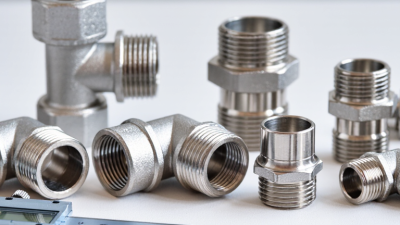
Chinese sanitary fittings cover the everyday connections used in hygienic process lines. Common types include stainless-steel elbows, tees, reducers, unions, and pipe clamps. Elbows change direction; tees split or combine flow. Reducers connect pipes with different diameters. These parts may look simple, but poor alignment can leave gaps that are difficult to clean.

Valves, tank manways, sight glasses, and spray devices are also widely produced. Buyers should check material grade, connection style, dimensions, and surface-finish details against the actual process requirements. For example, a clamp fitting must match both the pipe size and the gasket profile. Catalog tables can seem clearer than they are, so drawings and sample measurements are worth reviewing. Small discrepancies matter.

Tips: Ask for dimensional drawings and material documentation before confirming an order. Check weld areas, sealing surfaces, and gasket compatibility. For a real installation, review how the fittings will be cleaned and maintained, not just how they appear in a catalog. I have seen specifications that looked complete but missed a key connection detail. Double-check the awkward parts.

Best China Sanitary Fittings Catalog for Global Buyers? - Main Types of Sanitary Fittings Made in China

Fitting Type Common Forms Typical Materials Common Connections or Dimensions Typical Applications Buyer Checks
Sanitary tube fittings Short tube sections, straight connectors, and end pieces Stainless steel 304 or 316L Weld ends, clamp ends, or threaded ends; dimensions may follow regional tube systems Food, beverage, dairy, and pharmaceutical process lines Confirm tube outside diameter, wall thickness, material grade, and surface finish
Elbows 45° and 90° elbows; long-radius and short-radius versions Stainless steel 304 or 316L Butt-weld, clamp, or other compatible sanitary ends Changing direction in hygienic piping systems Check angle, center-to-end dimensions, bend radius, and connection size
Tees and crosses Equal tees, reducing tees, and four-way crosses Stainless steel 304 or 316L Weld or clamp connections; branch and run sizes can differ Branching or combining product and cleaning-fluid lines Verify branch orientation, outlet size, internal finish, and drainability needs
Reducers Concentric and eccentric reducers Stainless steel 304 or 316L Weld or clamp ends in two different sizes Connecting sanitary tubes of different diameters Confirm inlet and outlet sizes; select the form suited to the line layout
Clamp ferrules and sets Ferrules, clamp rings, and gaskets Stainless steel ferrules and clamps; elastomer gaskets Clamp dimensions vary by system; components must match one another Removable joints for inspection, cleaning, and maintenance Match ferrule profile, clamp size, gasket dimensions, and gasket material
Unions Sanitary union assemblies with mating ends and seals Stainless steel 304 or 316L; elastomer seals Union patterns and dimensions depend on the selected dimensional system Detachable connections in process equipment and piping Confirm the union pattern, thread or end style, seal material, and size
Sight glasses Inline viewing sections and sight-glass assemblies Stainless steel housing with suitable transparent glass Often supplied with clamp or other sanitary line connections Visual observation of flow or product presence in a process line Check operating conditions, viewing area, connection size, and glass suitability
Sanitary valves Butterfly, ball, diaphragm, and check valves Stainless steel bodies; seal materials selected for the process Clamp, weld, or other specified sanitary connections Flow isolation, flow control, or prevention of reverse flow Specify valve function, operating method, pressure and temperature conditions, and seal compatibility

Note: Product dimensions, available material grades, finishes, and connection systems vary by supplier and product range. Confirm drawings, material documentation, and applicable requirements before ordering.

Materials, Standards, and Quality Features to Compare

When comparing sanitary fittings, start with the material, not the catalog photo. Brass offers strength and familiar machining, while stainless steel can suit demanding, moisture-prone environments. Engineering polymers may reduce weight, but temperature and pressure limits need careful checking. Match the material to the water, cleaning routine, and connection type. A polished surface can look impressive. It does not prove corrosion resistance or long service life.

Tips: Ask for material grades, dimensional drawings, and test reports for the exact fitting. Check that the documents match the model and test conditions. Details matter. Confirm thread type, seal material, and spare-part availability before ordering samples.

Standards vary by destination and application, so verify the requirements for the intended market and use. Look for documented pressure and leak testing, consistent dimensions, and traceability by batch. Inspect sample threads for clean engagement and seals for even seating; small defects can cause installation delays. Ask how quality checks are recorded, not just whether they are performed. Catalog data is useful, but it can leave gaps. Clarify those gaps in writing, especially for mixed-material assemblies and replacement parts.

Best China Sanitary Fittings Catalog for Global Buyers? Materials, Standards, and Quality Features to Compare

Typical chromium and nickel content in 304 and 316 stainless steel, shown as midpoints of the composition ranges specified in ASTM A240/A240M. Use material certificates to confirm the grade supplied; fitting standards and requirements vary by product and application.

When comparing catalogs, also check applicable product standards, dimensional tolerances, pressure and temperature ratings, surface finish, and traceable inspection documentation. This chemistry comparison is not a quality ranking.

How to Evaluate a Chinese Sanitary Fittings Catalog

How to Evaluate a Chinese Sanitary Fittings Catalog

A useful catalog should answer practical questions, not just show polished basin taps and shower sets. Check each item’s material, dimensions, connection size, finish, flow rate, and working-pressure range. Look for clear product codes and downloadable drawings. Small gaps matter. A missing cartridge code can complicate maintenance years later.

Treat quality claims as evidence to verify. ISO’s 2022 Survey of Certifications counted 1,265,216 ISO 9001 certificates worldwide, but certification alone does not prove a specific fitting passed product tests. Ask for relevant test reports, inspection records, and traceable material specifications. Compare export claims with UN Comtrade’s HS 8481 trade data, while remembering that this category covers many valves beyond sanitary fittings. A catalog may still leave awkward details unclear; ask rather than assume.

Tips: Request samples from the same production range as your quotation. Check threads, surface finish, and packaging labels against the catalog. Confirm spare-part availability and lead times in writing. If pressure or flow data is missing, pause before comparing prices.

How Global Buyers Can Select Suppliers and Place Orders

A sanitary fittings catalog is only a starting point. Compare suppliers using the same specifications, not just product photos. Record material grade, connection size, surface finish, tolerances, and compatible installation standards for each item. Ask for dimensioned drawings and clear explanations of any available options. Small details matter.

Before requesting a quotation, share estimated quantities, delivery destination, packaging needs, and target schedule. Request samples for key fittings and check threads, finish, and fit with your own components. A polished sample may not represent every production batch, so agree on a practical inspection plan. Ask for relevant test documents and confirm how production changes will be communicated.

Review the quotation line by line. Confirm unit prices, tooling charges, lead time, payment milestones, carton markings, and shipping terms in writing. Clarify how defects or shortages will be handled before placing a deposit. One easy-to-miss point is mixing similar-looking sizes in a large order; label samples and drawings carefully. Spreadsheets help, but they can still miss a detail. Have both teams approve the final specification sheet before production begins.