Top Butterfly Valve Types for Global Buyers in 2026?

Choosing the right butterfly valves in 2026 requires more than comparing prices or browsing attractive product catalogs. Global buyers must examine pressure ratings, temperature limits, media compatibility, sealing performance, and certification requirements. A valve installed on a cooling-water line may need very different materials from one handling corrosive chemicals. Small details matter.

This guide reviews the leading butterfly valve types used across water treatment, HVAC, energy, food processing, and industrial manufacturing. It considers wafer, lug, flanged, double-offset, and triple-offset designs. Each type offers practical advantages, but none suits every project. An experienced purchasing team should match valve construction with pipeline layout, operating frequency, maintenance access, and local technical requirements.

Supplier reliability also deserves close attention. Buyers should verify test reports, traceable materials, production experience, and after-sales support before placing large orders. Clear documentation can prevent costly installation mistakes. Yet specifications alone do not guarantee field performance. Poor alignment, unsuitable elastomers, or rushed commissioning may still cause leakage.

The market keeps changing.

Automation, energy efficiency, and digital monitoring are influencing valve selection. However, newer features are not automatically better. A simple, well-tested valve may outperform a complex option in harsh operating conditions. This overview provides a practical starting point, while encouraging buyers to question assumptions, compare verified evidence, and request application-specific recommendations before making a final decision.

Top Butterfly Valve Types for Global Buyers in 2026?

Butterfly Valve Basics and Their Role in Global Flow Control

Butterfly Valve Basics and Their Role in Global Flow Control

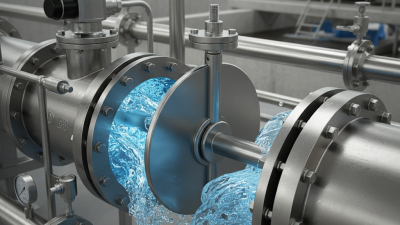
Butterfly valves regulate flow with a rotating disc inside the pipe. Their compact body saves space, weight, and installation labor. Wafer, lug, flanged, and high-performance designs serve different pressure conditions. According to Grand View Research, the global industrial valves market reached about USD 78.2 billion in 2023. Its projected growth reflects continuing demand for efficient flow control. Yet market forecasts differ between research firms. Buyers should treat projections as guidance, not certainty.

The disc turns around the shaft. A quarter-turn actuator can open or close the line quickly. Resilient-seated valves suit water and many neutral fluids. Metal-seated designs handle higher temperatures and more demanding services. Field inspections often find leakage caused by poor alignment, damaged seats, or incorrect torque settings. Small details matter. Engineers should confirm pressure class, temperature range, media compatibility, and operating cycles before purchasing.

International buyers also need traceable testing documents. ISO 5211 helps verify actuator mounting dimensions, while EN 593 and API 609 support design and performance checks. MarketsandMarkets has forecast steady growth for the butterfly valve sector through 2028, driven by water treatment, energy, and process industries. However, installed conditions can challenge standard selections. A valve that performs well in clean water may struggle with abrasive solids or frequent throttling. The best choice remains application-specific, not simply the lowest-cost option.

Key Butterfly Valve Types: Wafer, Lug, Flanged, and Double-Flanged

Top Butterfly Valve Types for Global Buyers in 2026?

Wafer, lug, flanged, and double-flanged butterfly valves serve different piping conditions. Grand View Research estimates the global butterfly valve market will expand at about 6% annually through 2030. Mordor Intelligence also forecasts steady growth, driven by water treatment, energy, and process industries. The figures differ slightly. Market definitions are not identical.

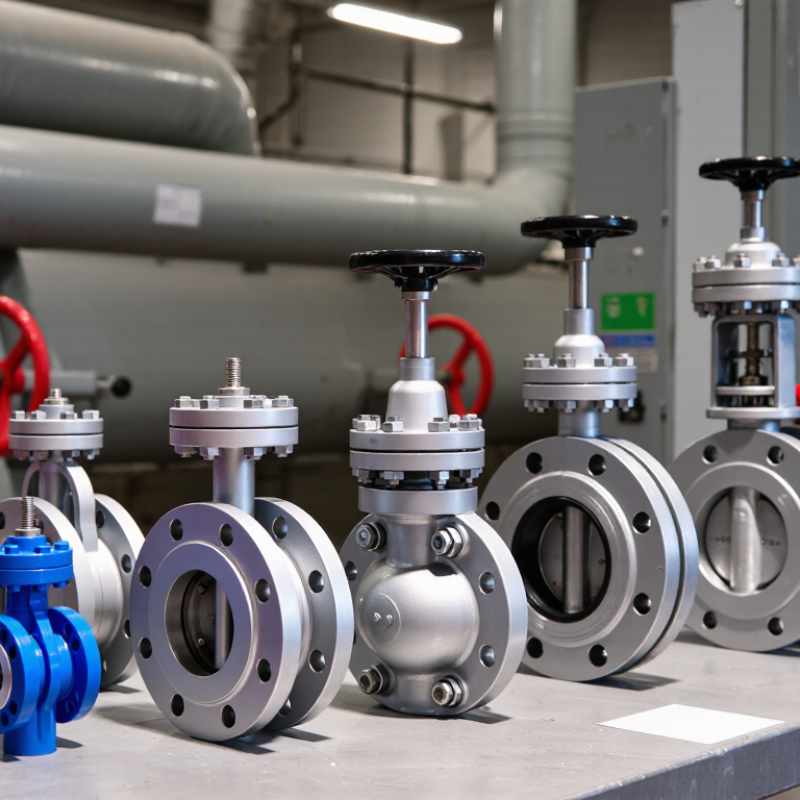
Wafer valves fit between two pipe flanges and save space, weight, and installation cost. They suit water lines and moderate-pressure services. Lug valves use threaded inserts on both sides. They allow one pipe section to be removed while the other remains secured. Flanged valves offer stronger alignment and easier maintenance. Double-flanged designs provide robust support for larger diameters, higher loads, and demanding municipal or industrial pipelines. They also require more material and lifting space. A compact design is not always the safest design.

Tips: Check pressure class, seat material, temperature, media, and flange standard together. Confirm API 609 or EN 593 compliance where applicable. Measure the face-to-face length before ordering. It prevents expensive site surprises. In field inspections, incorrect flange drilling appears more often than expected. Buyers should request test records, coating details, and torque data. Do not select by diameter alone. A valve can fit the pipe and still perform poorly under cycling, abrasion, or vacuum conditions. For corrosive media, verify body and disc compatibility with documented chemical-resistance data.

Choosing Valve Materials for Pressure, Temperature, and Media

For global buyers in 2026, butterfly valve selection starts with the medium, not the catalog photograph. A resilient-seated valve suits clean water and moderate temperatures, but elastomers can swell in oils, fuels, or solvents. Check the actual chemical concentration, not only the media name. Small details matter. PTFE handles many corrosive fluids, yet cold flow and seat damage remain practical concerns. For abrasive slurries, metal seats and hardened trim may outlast soft seals, though shutoff can become less forgiving.

Pressure and temperature must be evaluated together. ASME B16.34 pressure-temperature ratings show that allowable pressure often falls as temperature rises. A Class 150 valve is not “150 psi” in every service. Ductile iron suits many utility lines, while carbon steel and stainless steel offer broader mechanical and corrosion resistance. The choice still depends on chloride content, weld quality, and maintenance access. I have seen procurement teams specify stainless steel, then overlook a weak elastomer. That is an expensive contradiction.

The NACE IMPACT study estimated global corrosion costs at about US$2.5 trillion annually, or 3.4% of global GDP. Material selection deserves engineering time. API 609 and ISO 5208 provide useful design and leakage references, but certificates cannot replace application review. For seawater, duplex stainless steel may be attractive, while nickel alloys can suit harsher chemistry. Verify temperature cycling, vacuum service, fire requirements, and actuator torque. The cheapest compatible material may still fail early when installation is poor.

Comparing Sealing Designs, Actuation Methods, and Performance

Top Butterfly Valve Types for Global Buyers in 2026

Butterfly valve selection starts with the sealing design, not the lowest purchase price. Resilient-seated valves suit water, air, and moderate-temperature services. Their flexible liners provide tight shutoff and simpler maintenance. However, heat, abrasive particles, or aggressive chemicals can shorten liner life. High-performance valves use offset discs to reduce rubbing during operation. Triple-offset designs often use metal seats and support demanding temperature cycles. They cost more, but downtime can cost far more.

Actuation also changes performance. Manual handles work well for small, accessible lines. Gear operators provide controlled movement on larger valves. Pneumatic actuators respond quickly and suit frequent cycling. Electric actuators offer precise positioning, although installation requires dependable power and suitable controls. Check torque calculations carefully. A poorly sized actuator may stall, damage the seat, or waste energy. Face-to-face dimensions, pressure ratings, flange compatibility, and testing documentation should match recognized standards, such as ISO 5211 and API 609 where applicable. Local requirements still matter.

Tips: Ask for full pressure-temperature data, not a general service label. Confirm the medium, solids content, cycling frequency, and installation orientation. Inspect sample seat edges and disc surfaces when possible. Stainless hardware may resist corrosion, but it is not automatically suitable for every chemical. One overlooked detail can change the correct valve type. I have seen technically sound selections fail because maintenance access was ignored. Leave room for inspection.

Global Buyer Checklist for Standards, Sourcing, and 2026 Applications

Top Butterfly Valve Types for Global Buyers in 2026?

Global buyers should match butterfly valve types with pressure, temperature, media, and maintenance access. Resilient-seated valves suit water, irrigation, and many low-pressure utility lines. High-performance double-offset valves reduce seat wear in demanding cycles. Triple-offset designs support higher temperatures and tighter shutoff requirements. Details matter. Check the applicable standard before comparing prices. Common references include ISO 5752 for face-to-face dimensions and API 609 for butterfly valve design categories. Regional requirements may still differ.

A reliable sourcing checklist should request material certificates, pressure-test records, dimensional drawings, and actuator data. Confirm the body, disc, shaft, and seat materials against the actual fluid. For corrosive service, generic stainless steel may not be enough. Ask about coating thickness and inspection methods. Traceability is essential when valves enter chemical, energy, marine, or municipal projects. Suppliers should explain production lead times, spare-part availability, packing methods, and after-sales technical support. A low quotation can hide missing documentation.

Application details often expose weak specifications. A valve for chilled water may need different seat performance than one for abrasive slurry. Verify pressure class, flow direction, cycling frequency, and fail-safe requirements. Electric, pneumatic, and manual actuation each create different installation concerns. Keep it practical. One checklist cannot cover every market. Some buyers overlook site temperature changes or limited lifting space. That mistake is avoidable, but not always caught before delivery. Require sample inspection when the project is critical, and record every approved deviation.

Top Butterfly Valve Types for Global Buyers in 2026

Global Buyer Checklist for Standards, Sourcing, and 2026 Applications
Valve Type Operating Principle Typical Pressure Class Common Seat or Sealing Material Typical Temperature Guidance Recommended Applications in 2026 Key Advantages Main Limitations Relevant Standards to Confirm Buyer Sourcing Checklist Selection Priority
Concentric Resilient-Seated Butterfly Valve
Wafer Lug
The disc rotates around the central shaft axis. The resilient seat seals against the disc through elastic interference. Commonly PN 6–PN 16 or Class 150, depending on size, design, and applicable standard. EPDM, NBR, FKM, PTFE, or other qualified elastomers selected according to the medium. Often used from approximately −20°C to 120°C, but the actual limit depends on the seat compound, pressure, and medium. Potable and process water, HVAC, irrigation, fire-water systems, air handling, and general utility pipelines. Compact design, low weight, low purchase cost, simple maintenance, and good shut-off performance for clean fluids. Elastomer limitations may restrict high-temperature, abrasive, aggressive, or hydrocarbon service. Seat wear can increase with frequent cycling. API 609, EN 593, ISO 10631, ISO 5208, API 598, ISO 5752, and the applicable flange standard. Confirm seat compatibility, potable-water approvals where required, shaft and disc materials, leakage class, face-to-face dimension, actuator interface, and pressure rating at operating temperature. Standard choice for cost-sensitive utility service
High-Performance Double-Offset Butterfly Valve
Wafer Lug Flanged
The shaft is offset from the disc centerline and the seat centerline, reducing rubbing between the disc and seat during opening. Commonly PN 10–PN 40 or Class 150–Class 300, subject to design and size. Laminated metal-graphite seats, PTFE-based seats, reinforced polymer seats, or other engineered sealing systems. Commonly suitable for higher temperatures than resilient-seated designs; actual limits may range from approximately −40°C to 300°C or more depending on construction. District energy, cooling water, compressed air, industrial water, low-pressure steam, and selected process services. Lower operating torque than a concentric design at comparable size, improved cycle life, and broader pressure-temperature capability. Higher cost and more complex specification. Metal or laminated seats may require careful installation and may not provide the same soft-seat tightness in every service. API 609, EN 593, ISO 10631, ISO 5208, API 598, ISO 5752, ASME B16.34, and applicable flange standards. Verify offset geometry, seat construction, bidirectional or unidirectional shut-off, torque curve, fire-safe requirements, fugitive-emission requirements, and actuator sizing. Preferred for demanding industrial duty
Triple-Offset Metal-Seated Butterfly Valve
Flanged High Temperature
Three geometric offsets create a cam-like, non-rubbing movement between the sealing surfaces. The sealing contact is typically metal-to-metal. Commonly PN 16–PN 100 or Class 150–Class 600, depending on size and design qualification. Stainless steel, nickel-based alloys, hardfacing alloys, graphite, or other qualified metallic and fire-resistant sealing systems. Frequently selected for high-temperature service, with some designs rated above 500°C. The rating must be confirmed from the manufacturer’s pressure-temperature chart. Steam, hot gas, thermal oil, refinery and chemical process lines, high-temperature utilities, and critical isolation duties. Excellent high-temperature capability, low seat wear, fire-safe potential, low emissions when properly engineered, and long service life. Higher acquisition cost, higher actuation torque, stricter installation requirements, and greater sensitivity to incorrect sizing or alignment. API 609, EN 593, ISO 10631, ISO 5208, API 598, API 607 or ISO 10497 where fire testing is required, and ISO 15848 where fugitive emissions apply. Request fire-test certificates, emission test data, material certificates, torque calculations, thermal-cycle data, disc clearance details, and complete pressure-temperature ratings. Best for high-temperature and critical isolation
Soft-Seated Lug-Style Butterfly Valve
Dead-End Service Section Isolation
The valve is secured with threaded lugs or tapped holes around the body, allowing one pipeline side to be removed in many applications. Commonly PN 6–PN 16 or Class 150, with higher ratings available for specific designs. EPDM, NBR, FKM, PTFE, or other elastomers and polymers. Usually limited by the selected seat material; many water-service designs operate within approximately −20°C to 120°C. Water treatment, pump isolation, HVAC equipment, tank farms, fire-water systems, and compact plant layouts requiring sectional maintenance. Supports convenient line-section isolation, compact installation, and relatively simple replacement or maintenance. Not every lug design is rated for dead-end service at full pressure. Bolt loading, flange alignment, and allowable end-of-line pressure require confirmation. API 609, EN 593, ISO 10631, ISO 5208, API 598, ISO 5752, and the relevant flange and bolting standards. Confirm dead-end rating, flange drilling, lug-hole dimensions, bolt length, body pressure rating, seat material, and whether downstream removal is permitted. Useful where maintenance isolation is important
Wafer Butterfly Valve
Lightweight Low Cost
The valve body is clamped between mating pipe flanges. It normally does not provide independent flange-to-flange connection capability. Commonly PN 6–PN 16 or Class 150, depending on the design and nominal size. Commonly EPDM, NBR, FKM, PTFE, or metal-laminated seat systems. Determined by the seat and body materials; water-service versions are often suitable for moderate temperatures. HVAC, water distribution, compressed air, ventilation, irrigation, and general process utility systems. Short face-to-face length, low mass, reduced material consumption, and economical installation in space-constrained systems. Pipeline alignment is critical. It may be unsuitable for dead-end service unless specifically designed and rated for that condition. API 609, EN 593, ISO 10631, ISO 5208, API 598, ISO 5752, and the applicable flange drilling standard. Check flange compatibility, minimum pipe bore, disc clearance, bolt pattern, line pressure, dead-end limitations, and required installation orientation. Economical option for standard pipeline systems
Eccentric Butterfly Valve for Slurry or Abrasive Service
Abrasion Control Process Duty
An offset disc and reinforced sealing arrangement reduce continuous rubbing and can be combined with abrasion-resistant wetted materials. Rating varies widely; common selections include PN 10–PN 40 or Class 150–Class 300. Reinforced elastomers, polyurethane, PTFE compounds, metal seats, hardfaced alloys, or replaceable wear components. Highly service-dependent. Abrasive concentration, particle size, velocity, and temperature must be evaluated together. Mining slurry, mineral processing, wastewater with solids, ash handling, pulp-related duties, and selected bulk-material processes. Can provide improved wear resistance and lower maintenance frequency when the seat and disc materials match the slurry conditions. Incorrect material selection can cause rapid erosion, leakage, torque growth, or disc damage. Standard water-service valves are often unsuitable. API 609 or EN 593 where applicable, ISO 5208, API 598, relevant material standards, and project-specific abrasion or slurry test requirements. Provide solids concentration, particle size, pH, chloride content, temperature, flow velocity, pressure differential, cycling frequency, and expected service life. Specialist selection for abrasive media
Actuated Butterfly Valve for Automated Process Control
Electric Pneumatic Modulating
A quarter-turn electric or pneumatic actuator rotates the disc. Positioners, limit switches, solenoid valves, and control interfaces may be added. Based on the underlying valve design; actuator selection depends on differential pressure, breakaway torque, and safety factor. Seat and disc materials are chosen for the medium; actuator enclosure and electrical components are selected for the installation environment. Valve and actuator temperature limits must be checked separately, especially in outdoor, high-temperature, hazardous, or washdown locations. Water networks, building automation, energy systems, industrial utilities, renewable-energy balance-of-plant systems, and process automation. Enables remote operation, repeatable positioning, integration with control systems, and automated fail-safe functions when properly configured. Total cost and commissioning complexity are higher. Incorrect torque, duty cycle, control signal, or fail position can cause poor performance. ISO 5211 for actuator mounting, IEC 60529 for enclosure protection where applicable, API 609, EN 593, ISO 5208, and project control standards. Confirm operating torque, actuator safety factor, power supply, IP rating, hazardous-area certification if needed, duty cycle, fail position, feedback signal, and manual override. Required for remote and process automation
Global Buyer Note: Pressure classes, temperature limits, leakage performance, material suitability, fire safety, emissions compliance, and dead-end capability are design-specific. Buyers should request the latest datasheet, dimensional drawing, pressure-temperature chart, material certificates, inspection and test plan, and applicable conformity documents before placing an order. Always verify regional requirements for drinking water, fire protection, hazardous areas, customs documentation, and installation standards.