Choosing the right butterfly valves in 2026 requires more than comparing catalog prices. Global buyers must examine pressure ratings, media compatibility, temperature limits, and certification records. A valve that performs well in clean water may fail quickly in abrasive slurry or corrosive chemical service. Application details matter.
This guide introduces leading butterfly valves for international purchasing teams, plant engineers, contractors, and distributors. It considers resilient-seated, high-performance, and triple-offset designs. It also reviews body materials, disc coatings, actuation options, testing practices, and maintenance access. Practical experience shows that small details often control lifecycle cost. A well-machined disc edge, accurate stem alignment, and dependable seat can prevent leakage and unplanned shutdowns.
Claims still need checking.
Manufacturers may advertise identical service lives, although their testing methods differ. Buyers should request inspection reports, pressure-test records, material certificates, and traceable quality documentation. Independent verification remains valuable when projects involve drinking water, fire protection, energy facilities, or demanding process lines. Regional standards and installation requirements should also be confirmed before ordering.
There is no universal “best” valve. That conclusion would be convenient, but incomplete. The strongest choice depends on operating conditions, local support, spare-part availability, and the supplier’s technical honesty. This overview helps readers compare recognized options with clearer judgment. It highlights reliable performance without ignoring cost, uncertainty, or the occasional gap between brochure promises and field results.
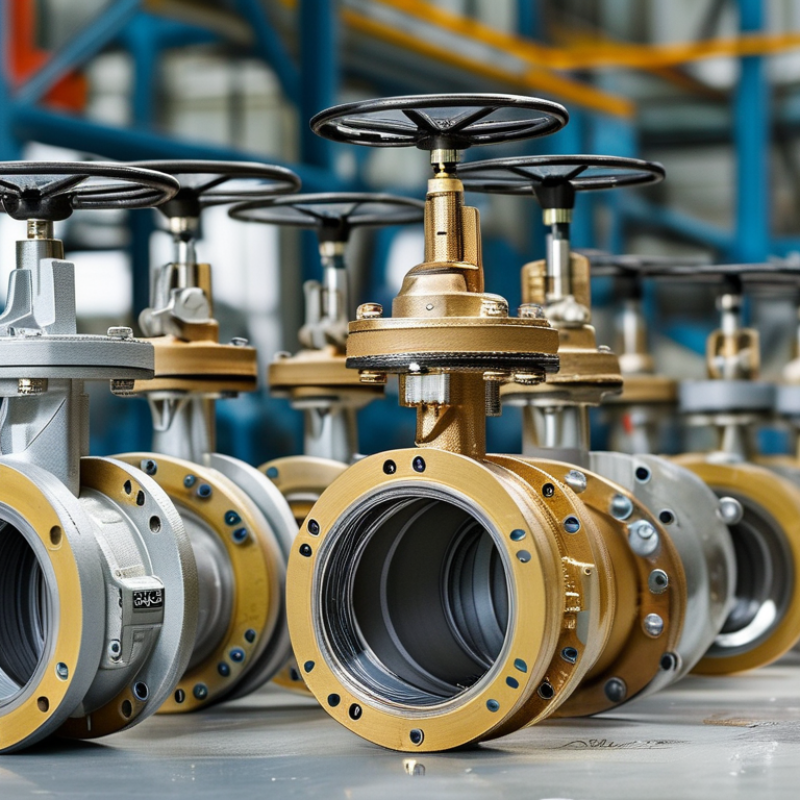
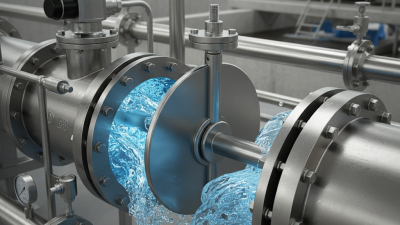
A butterfly valve controls flow with a circular disc mounted inside the pipeline. Turning the stem by 90 degrees moves the disc from open to closed. This compact motion supports quick isolation and frequent adjustment. DN25 models suit small utility lines, while DN1200 valves handle large water, cooling, and industrial networks. Size alone does not determine suitability. Pressure, temperature, fluid composition, and installation space matter just as much.
In practical valve inspections, the disc must open without striking nearby pipework or fittings. A properly aligned actuator reduces side loading and uneven seat wear. For manual service, a lever often works well on smaller sizes. Larger valves usually need a gearbox or automated actuator because operating torque increases with diameter and pressure. The seat material also deserves close attention. Clean water, abrasive slurry, and corrosive fluids can require very different sealing choices.
Testing should include body pressure checks, seat leakage inspection, and actuator travel verification. Ask for traceable test records and clear material information. A low purchase price can hide difficult maintenance later. This is where buyers sometimes focus too narrowly on the catalogue. I have seen apparently correct selections fail because the valve ignored actual flow conditions. That mistake is avoidable, but not always obvious. Installation direction, flange compatibility, and access for future service should be reviewed before ordering.
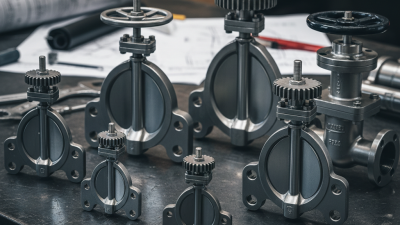
Wafer, lug, and flanged butterfly valves remain practical choices for water, HVAC, chemical, and process piping. MarketsandMarkets’ 2024 Valves Market report estimates the global valves market will grow from about USD 78.6 billion in 2024 to USD 97.5 billion by 2029. This growth increases buyer attention on standards, not only price.
EN 593 covers metallic industrial butterfly valves in European projects. API 609 addresses wafer, lug, and double-flanged butterfly valves for demanding industrial services. These standards guide design, dimensions, pressure ratings, materials, and testing requirements.
Wafer valves fit between flanges and save space.
Lug valves support easier section isolation.
Flanged valves offer stronger alignment for larger pipelines.
However, EN 593 and API 609 are not automatically interchangeable. Check the project specification, flange drilling, face-to-face dimensions, seat material, and pressure-temperature chart. Field experience shows that a lower quotation can hide unsuitable elastomers or weak shaft sealing. A perfect datasheet does not guarantee reliable operation.
Ask for certificates, inspection records, and pressure-test results. Confirm whether testing follows EN 12266, API requirements, or the contract specification. Request material traceability for the body, disc, stem, and seat. Check torque at clean and contaminated conditions. Small details matter. Buyers should also review installation space and future maintenance access. I have seen technically compliant valves fail commercially because operators could not replace the seat without removing nearby pipework. That mistake deserves more attention.
For global buyers in 2026, butterfly valve selection starts with the seat and disc, not the lowest quoted price. MarketsandMarkets valued the industrial valves market at about USD 78 billion in 2024 and projects continued growth through 2029. That expansion increases pressure on buyers to specify materials carefully.
EPDM seats suit water, cooling systems, and many diluted chemicals. They remain flexible across changing temperatures, but petroleum-based fluids can damage them. PTFE seats offer stronger chemical resistance and lower friction. They are useful for corrosive media, although excessive heat or poor compression can reduce sealing reliability. Material changes everything. Disc selection also matters. A 316 stainless steel disc resists chloride exposure better than standard stainless steel, making it practical for seawater, humid plants, and chemical service. It is not immune to corrosion.
The Global Water Intelligence market reports continued investment in water infrastructure, where resilient elastomers and corrosion-resistant discs remain important purchasing factors. Yet these figures do not replace field verification. A valve installed beside a salty cooling tower faces different risks from one handling clean water. Check temperature, pressure, fluid concentration, cycling frequency, and shaft compatibility. I have seen specifications focus heavily on EPDM or PTFE while overlooking disc edges and flange alignment. That is an expensive weakness. Buyers should also confirm testing against applicable standards, including ISO 5208 leakage requirements, before comparing suppliers. Short-term savings can become maintenance costs.
The chart compares representative continuous service temperature ranges for common butterfly-valve materials. EPDM is suitable for many water and mild chemical applications, PTFE provides a wider temperature range and strong chemical resistance, while 316 stainless steel is commonly used for durable valve discs and can withstand substantially higher temperatures. Actual limits depend on pressure, media, valve design, and manufacturer specifications.
Pressure and temperature ratings determine whether a butterfly valve survives real service, not just catalog review. PN10, PN16, PN25, and PN40 indicate nominal pressure classes under referenced metric standards. ASME Class 150 uses a different pressure-temperature table and should not be treated as a direct PN equivalent. The working pressure usually decreases as temperature rises, especially with softer seats. Metal materials, elastomer selection, flange drilling, and shaft design all affect the final rating. Check the complete datasheet.
Ask for pressure-temperature charts, not only the class marking. Confirm the medium, operating temperature, flange standard, and required test pressure. A valve rated PN16 at ambient conditions may need a lower limit near high-temperature service. I have seen project teams select by diameter alone. That shortcut caused late changes. It is avoidable. Also verify whether the valve provides isolation, throttling, or both, because control duty can increase wear and torque requirements.
For global purchasing, compare EN and ASME documentation line by line. Confirm face-to-face dimensions, flange compatibility, leakage criteria, and material certificates. Pressure testing should reflect the applicable standard and project specification. Temperature cycling deserves attention in steam, hot water, and outdoor installations. Ratings can look impressive on paper. They may still be unsuitable. A careful review of seat limits, actuator torque, corrosion conditions, and safety factors gives buyers more reliable selection data. Some specifications remain unclear, so request written confirmation before approval.
Global buyers now compare butterfly valves by more than price.
A 2024 global industrial valves market report estimates the sector at about USD 80 billion, with steady growth toward 2030.
That growth increases pressure on suppliers to prove actuator compatibility and testing discipline.
ISO 5211 defines the mounting interface between the valve and actuator.
It does not confirm correct torque. During commissioning, technicians should check flange dimensions, stem engagement, bolt alignment, and the actuator’s closing torque.
Small misalignment can cause uneven seat wear.
It happens more often than brochures suggest.
API 598 provides a recognized framework for shell and seat testing.
Test records should identify pressure, medium, duration, and leakage results.
A clean report matters.
It supports traceability during procurement and site acceptance.
IP67 protection applies mainly to the actuator enclosure.
Under IEC 60529, IP67 generally covers dust protection and temporary immersion up to one metre for 30 minutes.
It does not prove resistance to salt spray, chemicals, or repeated flooding.
A 2023 industrial automation report valued enclosure protection as a major selection factor, but field failures still occur when cable glands remain poorly tightened.
That detail is easy to miss.
Performance is never only a catalogue number.
By continuing to browse or by clicking “Accept All Cookies,” you agree to the storing of first- and third-party cookies on your device to enhance site navigation, analyze site usage, and assist in our marketing efforts. View our Privacy and Cookie Policy.