Butterfly valves serve as critical components in various industries, providing efficient flow control and regulation. According to a report by MarketsandMarkets, the global butterfly valves market is projected to grow from $3.1 billion in 2020 to $4.2 billion by 2025, indicating a robust demand for these devices. Industry expert John H. Thompson emphasizes their importance, stating, "Butterfly valves are integral for operational efficiency in fluid management systems.”
These valves, known for their simple design and versatility, can handle a wide range of applications, from water supply to oil and gas industries. Their lightweight structure and quick operation make them a preferred choice for many engineers. However, despite their advantages, butterfly valves can face challenges such as wear and tear over time, impacting performance and reliability.
In practice, understanding the operational nuances of butterfly valves is essential for optimizing their use. Regular maintenance checks and careful installation are crucial. Issues can arise in varied systems, prompting a re-evaluation of existing practices. By grasping the intricacies and potential pitfalls, users can significantly enhance the longevity and functionality of butterfly valves.

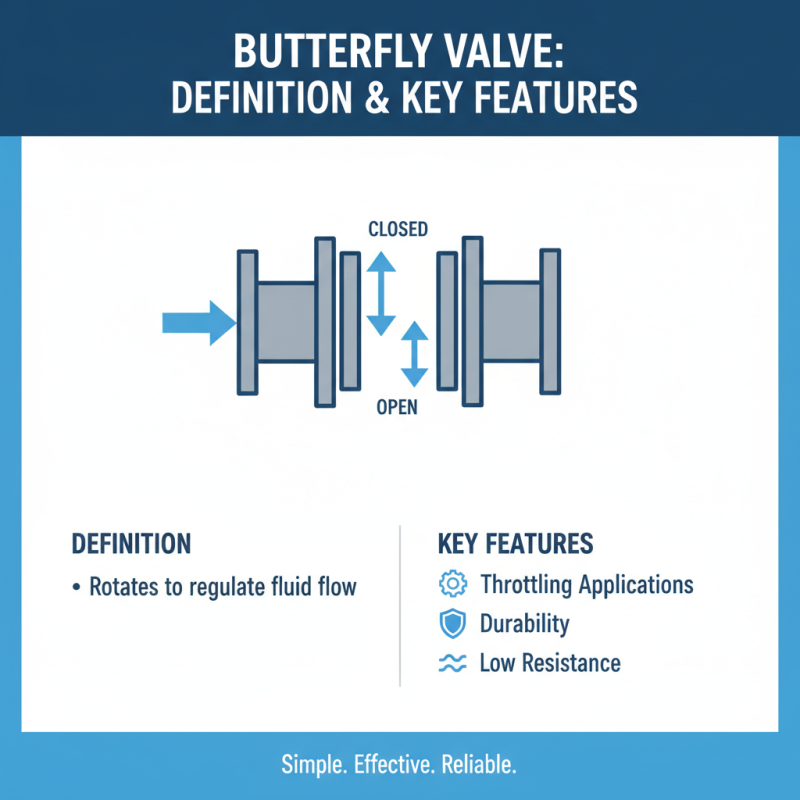
A butterfly valve is a simple yet effective device used to regulate fluid flow. It consists of a circular disc that rotates within the pipe. When the disc is turned, it either blocks or allows flow. This mechanism makes it ideal for throttling applications. Its design offers durability and low resistance.
One key feature of butterfly valves is their compact size. They require less space compared to other valves. Additionally, they are lightweight, which facilitates easy installation and maintenance. The disc can be made from various materials, which allows customization for different environments. It’s critical to match the material with the fluid type to ensure longevity.
However, there are limitations to consider. Butterfly valves might not perform well under high-pressure conditions. Their sealing capability can vary based on design. This means thorough testing is essential before implementation. Understanding these aspects ensures reliable operation and enhances performance in your systems.
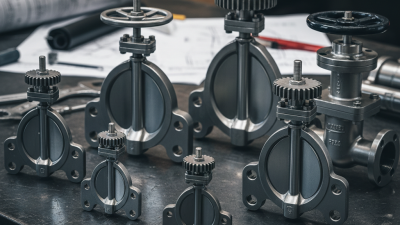
Butterfly valves are versatile components in fluid control systems. They come in various designs, with wafer, lug, and flanged variants being the most common.
Wafer butterfly valves are lightweight and compact. They are typically sandwiched between two flanges and are ideal for applications with limited space. According to a recent industry analysis, wafer valves represent about 45% of the butterfly valve market due to their efficiency and cost-effectiveness.
Lug butterfly valves are similar but feature threaded inserts. This design allows for easier installation and maintenance. They can be bolted directly to the system, making them suitable for platforms that require frequent disassembly. A report from a valve industry expert highlights that lug designs are increasingly popular in high-maintenance industries. Flanged butterfly valves have flanges on both sides for bolting. They are robust and handle high pressures well. These valves are essential in water treatment plants and chemical processing.
Choosing the right valve type is critical. Each type has its pros and cons. Wafer models save space but may not handle high pressure. Lug variants offer easy maintenance but might come with higher costs. Flanged valves provide durability but require more installation space. Understanding these nuances can lead to better decision-making in industrial applications.
Butterfly valves are essential components in fluid control systems. Their design features a rotating disc that regulates flow. When the valve is fully open, the disc is parallel to the pipe flow. This simple design offers low-pressure drop characteristics. According to recent studies, butterfly valves can achieve a flow coefficient of up to 250, making them efficient for various applications.
The mechanism behind butterfly valves is straightforward yet effective. It operates using a pivot point that allows the disc to rotate 90 degrees. This rotation provides quick and precise controlling capabilities. It's noteworthy that the material of the disc and body significantly influences performance. A report from the Valve Manufacturers Association indicates that the selection of materials can enhance durability by up to 20 percent in demanding conditions.
However, not all designs are flawless. The seating mechanisms can wear over time, leading to leaks. Regular maintenance is crucial in preventing such issues. Additionally, improper sizing can result in inadequate flow control. Studies highlight that around 30% of butterfly valves installed may not meet operational requirements. Addressing these challenges is vital for ensuring optimal performance.
| Feature | Description |
|---|---|
| Valve Type | Rotary motion valve with a circular disc |
| Operation | Disc rotates 90 degrees to open/close |
| Applications | Water supply, HVAC systems, chemical processing |
| Advantages | Compact size, fast operation, low pressure drop |
| Material | Commonly made from metal, plastic, or rubber |
| Common Sizes | From 2 inches to over 48 inches in diameter |
| Maintenance | Requires periodic inspection and lubrication |
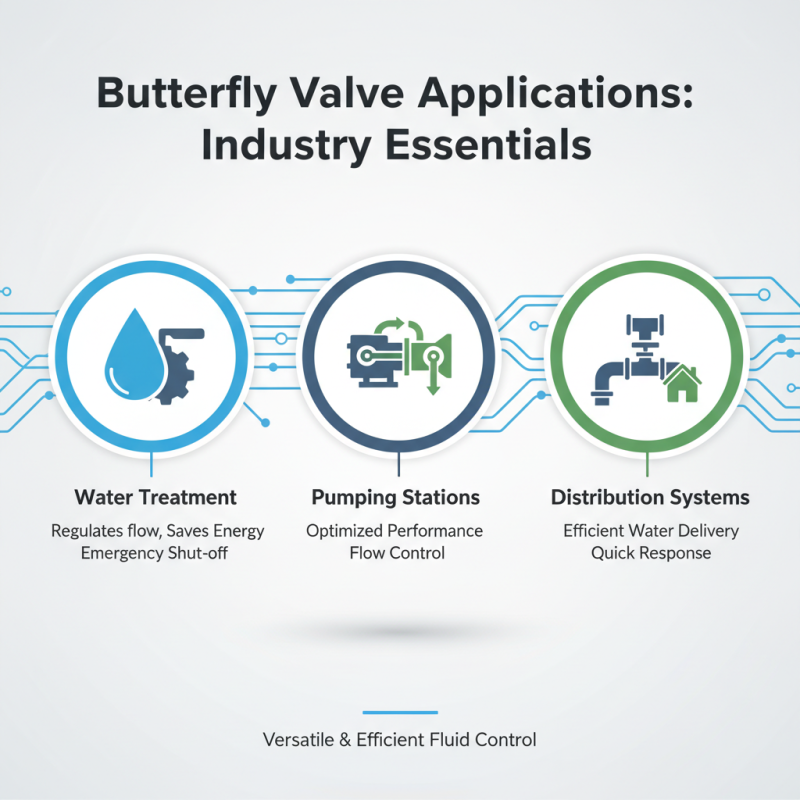
Butterfly valves are essential in many industries due to their versatility and efficiency. They are frequently used in water treatment facilities. These valves help regulate water flow effectively while minimizing energy costs. In this context, they help maintain optimal performance in pumping stations and distribution systems. Their quick open-and-close feature is crucial in emergencies.
In the food and beverage industry, butterfly valves serve a critical role in hygiene and safety. They enable precise control of liquid flows in processing lines. Proper valve maintenance is essential here. Neglect can lead to contamination or inefficiencies. Many manufacturers also use these valves in chemical processing. The ability to handle corrosive materials is a significant advantage. Butterfly valves can simplify system design while ensuring reliability.
Commonly, users may overlook the importance of regular inspections. A small malfunction can cause major issues in operations. Industries need to ensure that all components, including butterfly valves, are in excellent working condition. Staff training on valve operation is also essential. Misunderstanding can lead to improper usage and increased costs over time. Understanding these nuances makes for safer and more efficient industrial processes.
Butterfly valves are essential components in various industries, providing efficient flow control. Industry standards, such as ANSI/ASME and API, govern the design and material specifications of butterfly valves. According to recent data from the Flow Control Magazine, butterfly valves can handle pressure ratings from 150 psi to 600 psi, depending on the design and application.
Performance metrics are crucial in evaluating the effectiveness of butterfly valves. Valve manufacturers often detail the coefficient of flow (Cv) for each model, which indicates the valve's flow capacity. Reports indicate that a correctly sized butterfly valve can achieve flow rates reaching 800-1,500 gpm in certain applications. However, improper sizing can lead to pressure drops or insufficient flow, underscoring the need for expertise in valve selection.
Furthermore, failure rates for butterfly valves vary based on their installation and maintenance. According to a 2022 survey, 10% of users reported issues such as leakage or mechanical failure. Regular inspections and adherence to maintenance schedules can mitigate these risks significantly. These insights highlight the importance of understanding performance data and industry standards to optimize butterfly valve usage.
This chart illustrates the performance characteristics of butterfly valves, showcasing flow coefficient (Cv) values at different sizes (in inches). The flow coefficient indicates how well the valve can control flow, with higher values representing better performance.
By continuing to browse or by clicking “Accept All Cookies,” you agree to the storing of first- and third-party cookies on your device to enhance site navigation, analyze site usage, and assist in our marketing efforts. View our Privacy and Cookie Policy.