Top 10 Types of Butterfly Valves for Industrial Use
Industrial piping rarely fails because engineers lack valve choices. It fails when the selected valve does not match the process. This guide, “Top 10 Types of Butterfly Valves for Industrial Use,” examines practical options for water treatment, chemical processing, power generation, food production, and HVAC systems.
Béla G. Lipták, a respected process-control engineer and valve authority, wrote, “The control valve is the final control element in a process control loop.” That principle applies directly to butterfly valves. Their compact bodies, quarter-turn operation, and modest weight can simplify installation. Yet performance depends on more than size. Disc design, seat material, pressure rating, temperature, fluid chemistry, and actuator selection all matter.
A resilient-seated valve may suit cooling water. A high-performance butterfly valve may handle hotter, more demanding service. Triple-offset designs can improve sealing and reduce seat wear. Lug, wafer, and flanged connections create different maintenance requirements. Sanitary butterfly valves need smooth surfaces and careful cleaning. Cryogenic applications demand specialized materials and testing.
This is not a universal ranking. Real plants rarely follow neat categories. A valve that performs well in clean water may struggle with abrasive slurry. A low-cost choice can become expensive after repeated shutdowns. That uncomfortable detail deserves attention.
Each type in this overview is considered through application fit, operating conditions, maintenance access, safety, and lifecycle value. Field experience remains essential. Datasheets help, but they cannot replace site knowledge, verified calculations, and consultation with qualified valve engineers.
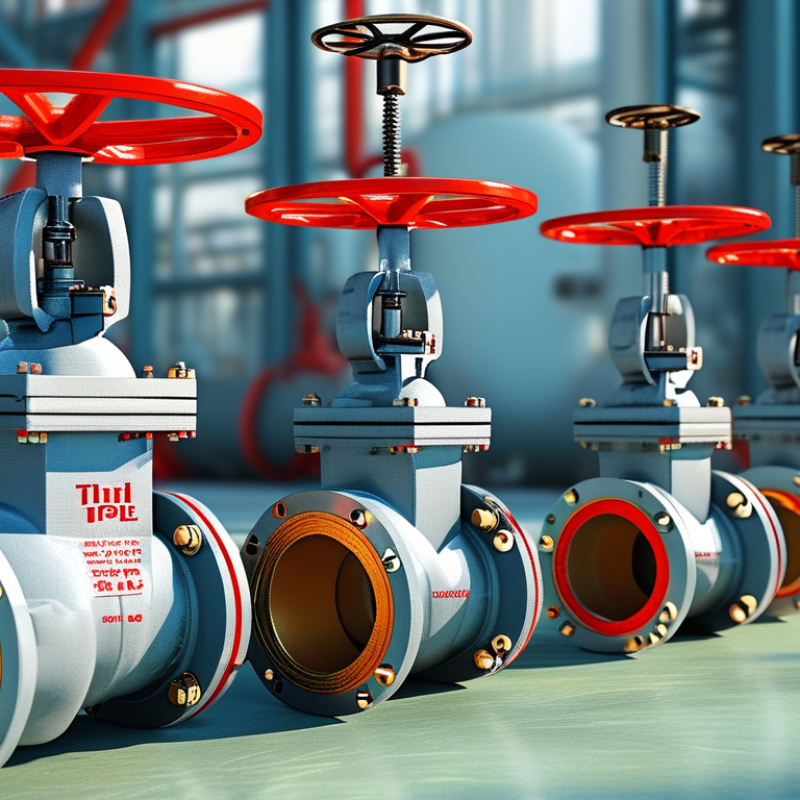
Butterfly Valves: Definition, Structure, and Industrial Operating Principles
A butterfly valve is a quarter-turn device used to isolate or regulate fluid flow. Its main parts include a circular disc, shaft, body, seat, and actuator. When the actuator rotates the shaft 90 degrees, the disc moves across the pipeline. The disc aligns with the flow when open and blocks the passage when closed. Seat contact creates the seal, while the shaft transfers operating torque. Small details matter. In field inspections, incorrect alignment often causes leakage, vibration, or premature seat wear. Pressure, temperature, fluid chemistry, and cycling frequency must guide valve selection.
Industrial designs include wafer, lug, flanged, resilient-seated, metal-seated, high-performance double-offset, triple-offset, lined, cryogenic, and actuated butterfly valves. Wafer bodies save space, while lug bodies support easier section isolation. Flanged versions suit larger pipelines and demanding maintenance conditions. Resilient seats handle many general services, but metal seats tolerate higher temperatures and abrasive media more effectively. Double-offset and triple-offset structures reduce disc-to-seat friction during opening. Lined bodies can protect against corrosive fluids, although lining damage remains a practical concern. Cryogenic models require specialized materials and careful thermal design. Pneumatic, electric, or hydraulic actuators provide automatic control. That choice is rarely perfect. A valve may perform well in clean water yet struggle with solids, high cycling, or unstable pressure. Engineers should verify torque margins, shutoff class, installation direction, and inspection access before approval.
Top 10 Butterfly Valve Types and Their Distinctive Features
Butterfly valves remain popular because they combine compact geometry, low weight, and fast quarter-turn operation. Mordor Intelligence’s 2024 market assessment estimates the global butterfly valve market at about USD 10.12 billion, with continued growth expected through 2029. The number is useful, but selection still depends on pressure, temperature, media, and maintenance access.
The ten main types have different strengths. Concentric resilient-seated valves suit water and general utility service. High-performance offset valves reduce disc-seat friction. Double-eccentric valves improve sealing under higher pressure. Triple-eccentric valves use a metal seat for hot, abrasive, or demanding process lines. Wafer valves fit between flanges and save installation space. Lug valves allow easier section isolation. Flanged valves provide stronger alignment for larger pipelines. Lined valves protect against corrosive chemicals. Cryogenic valves support very low temperatures with extended bonnets. Zero-leakage valves use resilient seats, although temperature limits require careful review.
The classification is not perfectly clean. Wafer and lug describe connections, while eccentric and lined describe construction. API 609 and MSS SP-67 provide useful design references, but neither standard replaces project-specific verification. In field work, I check the disc clearance, actuator torque, seat material, and flange drilling before approval. A small mismatch can cause leakage or premature wear. A common mistake is choosing by nominal diameter alone. Pressure drop and cycling frequency matter too. Industry reports show demand growth, yet real reliability depends on disciplined engineering.
How to Select the Right Butterfly Valve for Industrial Applications
Selecting the right butterfly valve starts with the process, not the pipe diameter. The U.S. Department of Energy reports that pumping systems can represent about 25% of industrial electricity use in the United States. A poorly selected valve can add unnecessary pressure loss and increase operating costs.
Match the valve type to the medium, pressure, temperature, and control duty. Wafer and lug valves suit compact water lines, while flanged designs support heavier piping systems. Resilient-seated valves handle many clean-water services. Metal-seated, double-offset, and triple-offset valves better suit high temperatures, abrasive media, or tighter shutoff demands. Cryogenic service requires specialized materials and tested sealing systems.
Check the pressure class and end connections against the piping specification. Confirm chemical compatibility with the seat, disc, shaft, and body.
API 609 provides design guidance for butterfly valves used in industrial piping, while ISO 5208 defines pressure-testing and leakage classifications. These standards improve reliability, but they do not replace application-specific engineering.
Control duty needs extra care. A valve designed only for isolation may perform poorly during frequent throttling. Review the operating torque, cavitation risk, actuator sizing, and expected cycling frequency. The U.S. Department of Energy’s Pumping System Assessment Tool highlights efficiency losses caused by excessive system resistance. Small details matter.
A clean datasheet can still hide a poor choice. I have seen nominally correct valves fail early because temperature, solids, or cycling frequency received too little attention.
Ask for test records, material certificates, and service references before approval. Selection should be documented, reviewed, and occasionally challenged.
Installation, Operation, and Maintenance Considerations by Valve Type
Top 10 Types of Butterfly Valves for Industrial Use
Installation, Operation, and Maintenance Considerations by Valve Type
Butterfly valves reduce weight, space, and operating effort in industrial piping. However, each design needs different attention. Wafer valves require accurate flange alignment because uneven bolts can distort the body. Lug valves support dead-end service, but technicians must confirm the pressure rating before isolation. Flanged valves suit larger pipelines and simplify removal. Resilient-seated valves need clean discs and controlled closing speeds. Small debris can cut the seat.
High-performance, double-offset valves reduce rubbing during operation. They often handle higher temperatures and pressure cycles than concentric designs. Triple-offset valves use a metal seat and demand careful disc-to-seat alignment. Lined valves protect against aggressive fluids, yet scratched linings can expose the body. Eccentric designs may reduce torque, but actuators still require correct sizing. Pneumatic and electric actuators need limit-setting checks after installation. Manual operation should feel steady, never forced.
Tips: Inspect flange faces, gasket placement, stem direction, and bolt torque before testing. Cycle the valve slowly after commissioning. Record torque, leakage, and vibration readings. This creates useful maintenance evidence, not guesses. The NACE IMPACT study estimated corrosion costs at 2.5 trillion dollars annually, equal to 3.4% of global GDP. That figure supports regular inspections, especially for lined and metal-seated valves. A practical weakness remains: maintenance teams sometimes replace seats without checking pipe strain. The valve may be blamed unfairly. Recheck alignment.
Top 10 Types of Butterfly Valves for Industrial Use
Comparative view of typical installation, operation, and maintenance considerations by valve type.
The scores use a practical industry index from 1 to 5, where 1 indicates lower consideration and 5 indicates higher consideration. Actual requirements vary with pressure class, temperature, fluid characteristics, materials, actuator selection, and applicable standards.