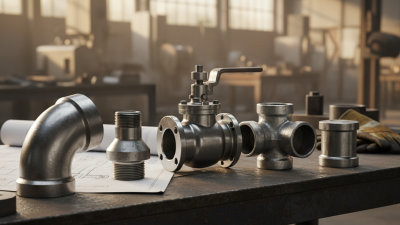
What Are the Top Types of Weld Fittings in 2026?
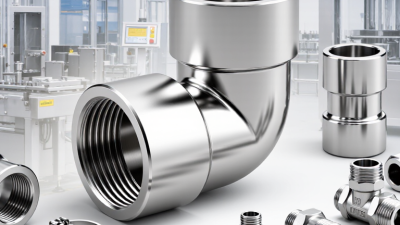
In 2026, weld fittings remain essential wherever pipe systems need durable, continuous connections. The most familiar types include elbows, tees, reducers, caps, and stub ends. Each solves a different layout problem. Elbows change direction, while tees branch flow into another line. Reducers connect pipes of different diameters, and caps close open ends. Stub ends pair with lap-joint flanges where regular inspection or disassembly may be useful.
The names are simple. Selection is not.
A fitting must match the pipe material, outside diameter, wall thickness, service conditions, and joining method. An elbow that fits the drawing may still be unsuitable if its radius restricts access or creates unwanted pressure loss. Reducers also come in concentric and eccentric forms; orientation can matter in horizontal lines and pump connections. Small details count.
For butt-weld systems, buyers often compare long- and short-radius elbows, equal and reducing tees, concentric and eccentric reducers, and end caps. They should also verify applicable dimensions and material requirements against the project specification and relevant standards, such as ASME B16.9 where applicable. That standard does not replace engineering review or confirm suitability for every service.
This guide introduces the main weld fittings, their common uses, and the questions that help narrow a selection. It also considers practical checks: matching markings, inspecting bevels, and confirming dimensions before installation. No single fitting type is “best” in every system. Real projects have constraints, and product listings do not always explain them clearly. A careful specification is still the safer starting point.
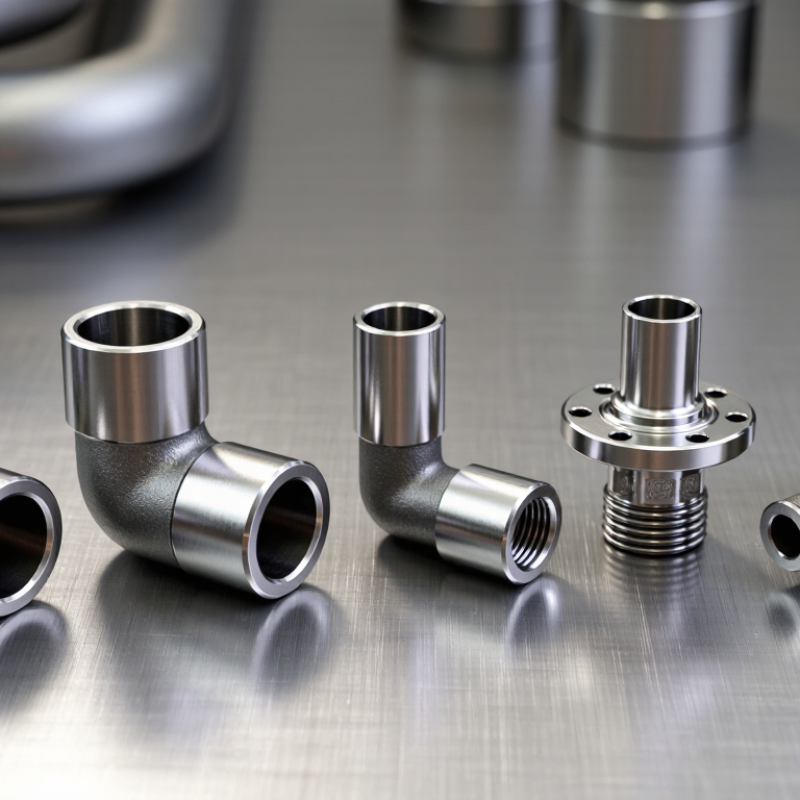
How Weld Fittings Connect and Shape Piping Systems
Weld fittings do more than join pipe sections. They guide flow, change direction, split branches, and adjust diameter. In a butt-weld connection, pipe and fitting ends are aligned and joined around the circumference. A clean bevel, controlled root gap, and suitable welding procedure help create a consistent joint. Small details matter.
Elbows turn the route, often by 45 or 90 degrees. Tees create branches, while reducers transition between pipe sizes. Caps close an end. These shapes affect layout and can influence pressure loss, turbulence, and inspection access. A tight elbow may save space, but it can make maintenance awkward. Geometry has trade-offs.
Material, wall thickness, and fit-up should match the piping design and service conditions. Before welding, installers typically check dimensions, alignment, and surface cleanliness. Afterward, inspection methods depend on the application and project requirements. Not every weld is easy to examine. That deserves attention. Fittings can look aligned from outside while a root defect remains hidden, so qualified procedures and suitable inspection are more dependable than appearance alone. Planning the route on paper helps, but supports and clearances may force adjustments in the field.
Which Weld Fitting Types Are Most Common in 2026?
In 2026, elbows, tees, reducers, and caps remain among the most common weld fittings in process and building-service piping. A 90-degree elbow redirects flow around equipment, while a 45-degree elbow makes a gentler change in direction. Butt-weld fittings create a continuous connection and a smooth internal passage when correctly installed. Details matter.
Tees split or combine flow, with equal tees matching the run diameter and reducing tees serving a smaller branch. Concentric reducers narrow pipe evenly; eccentric reducers keep one side level, which can help avoid pockets in certain horizontal lines. Weld caps close pipe ends during fabrication or at a system boundary. Stub ends paired with flanges are also used where regular inspection or removal is useful. There is no universal best type: pressure, temperature, fluid, material, and available clearance all affect the choice. In practice, a rushed size check can still cause rework, so verify the drawing against the actual layout.
Tips: Check the fitting schedule, pipe dimensions, wall thickness, and material compatibility before ordering. Confirm joint preparation and inspection requirements with the responsible piping professional. A neat-looking weld is not enough; the connection must meet the project’s documented requirements.
What Are the Top Types of Weld Fittings in 2026? - Which Weld Fitting Types Are Most Common in 2026?
| Fitting type |
Common configurations |
Connection type |
Typical use |
Relevant dimensional standard |
| Elbow |
45° and 90°; long-radius and short-radius forms |
Butt-weld; socket-weld versions are also available in forged fitting ranges |
Changes pipe direction in process, utility, and building-service lines |
ASME B16.9 for factory-made wrought butt-welding fittings; ASME B16.11 covers forged socket-welding fittings |
| Tee |
Equal tee and reducing tee |
Commonly butt-weld; forged socket-weld tees are used in smaller-bore piping |
Creates a branch connection from a main pipe run |
ASME B16.9 for wrought butt-welding tees; ASME B16.11 for forged socket-welding tees |
| Reducer |
Concentric and eccentric |
Usually butt-weld |
Connects pipes of different nominal sizes; eccentric forms can help maintain a level pipe bottom or top, depending on orientation |
ASME B16.9 for factory-made wrought butt-welding reducers |
| Cap |
Pipe-end cap in the required size and wall-thickness range |
Usually butt-weld |
Closes the end of a pipe run or provides a permanent termination |
ASME B16.9 for factory-made wrought butt-welding caps |
| Stub end |
Short-pattern and long-pattern forms, used with a lap-joint flange |
Butt-weld to pipe; loose flange fits over the stub end |
Provides a flanged connection where frequent dismantling or alignment flexibility is useful |
ASME B16.9 covers factory-made wrought butt-welding stub ends; flange dimensions are addressed separately by applicable flange standards |
| Socket-weld coupling |
Full and half couplings |
Socket-weld; the pipe end is inserted into the fitting socket and fillet-welded |
Joins small-bore piping; often selected for compact forged-fitting systems |
ASME B16.11 covers forged socket-welding and threaded fittings |
| Socket-weld elbow |
Commonly 45° and 90° forged elbows |
Socket-weld |
Changes direction in small-bore piping where a forged socket-weld fitting is specified |
ASME B16.11 |
| Socket-weld tee |
Equal and reducing forms |
Socket-weld |
Adds a branch in small-bore forged-fitting piping systems |
ASME B16.11 |
Selection depends on pipe size, wall thickness, material, design pressure and temperature, fluid service, and the piping code. Standards and product availability should be verified for the project and edition in use.
How to Select Weld Fittings for Different Piping Needs
Choosing weld fittings starts with the piping job, not the catalog photo. An elbow changes direction, a tee creates a branch, and a reducer joins different pipe diameters. A cap closes an open end. Each shape affects flow, access, and support needs. Small details matter.
Match fitting material to the pipe, fluid, temperature, and corrosion exposure. Then check outside diameter, wall thickness or schedule, and pressure rating against the piping specification. Stainless steel may suit a wet process, while carbon steel may work for many utility lines. Neither choice is universal. For reducers, consider whether a concentric or eccentric design better suits the flow and drainage. An eccentric reducer can help keep a level bottom in some horizontal lines.
Plan for welding access and inspection near supports, valves, and crowded equipment. Verify end preparation and alignment before installation. Request material certificates and dimensional records when traceability matters. It is tempting to choose by nominal size alone, but matching size does not guarantee good fit-up. Wall thickness and real site conditions can change the result. Not every layout is tidy.