Top 10 Stainless Steel Ball Valves for Global Buyers

Choosing among the top 10 stainless steel ball valves for global buyers requires more than comparing photographs and prices. Each valve must match the media, pressure, temperature, connection standard, and operating frequency. A 316 or 316L body may resist chloride exposure better than 304 stainless steel. However, material selection alone does not guarantee reliable service.

Greg Johnson, a respected valve-industry educator and author, has stated, “Valve selection should begin with the process, not the price.” That principle remains practical. Buyers should examine pressure ratings, seat materials, stem design, anti-static features, and fire-safe certification where applicable. ISO 5211 mounting compatibility can simplify actuator installation. NPT, BSP, and flanged connections must also match the existing pipeline. Small details matter.

Look closely at the evidence.

A dependable supplier should provide material certificates, pressure-test records, dimensional drawings, and traceability information. Independent inspection can reveal casting defects, uneven polishing, or poor thread accuracy before shipment. These checks are especially useful when purchasing across borders, where replacement delays can affect production schedules. Some manufacturers advertise polished surfaces and “industrial grade” construction without explaining the exact alloy or test standard. That is a weakness worth questioning.

This guide compares ten stainless steel ball valves using practical criteria, including durability, sealing performance, documentation, maintenance needs, and total ownership cost. The ranking is not absolute. A compact threaded valve may suit a water skid, while a flanged, automated valve may fit a chemical processing line. Site conditions always matter. Even a carefully researched shortlist cannot replace qualified engineering review.
Top 10 Stainless Steel Ball Valves for Global Buyers

What Stainless Steel Ball Valves Are and How They Work

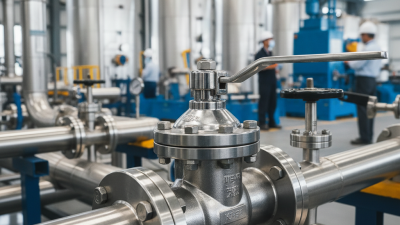
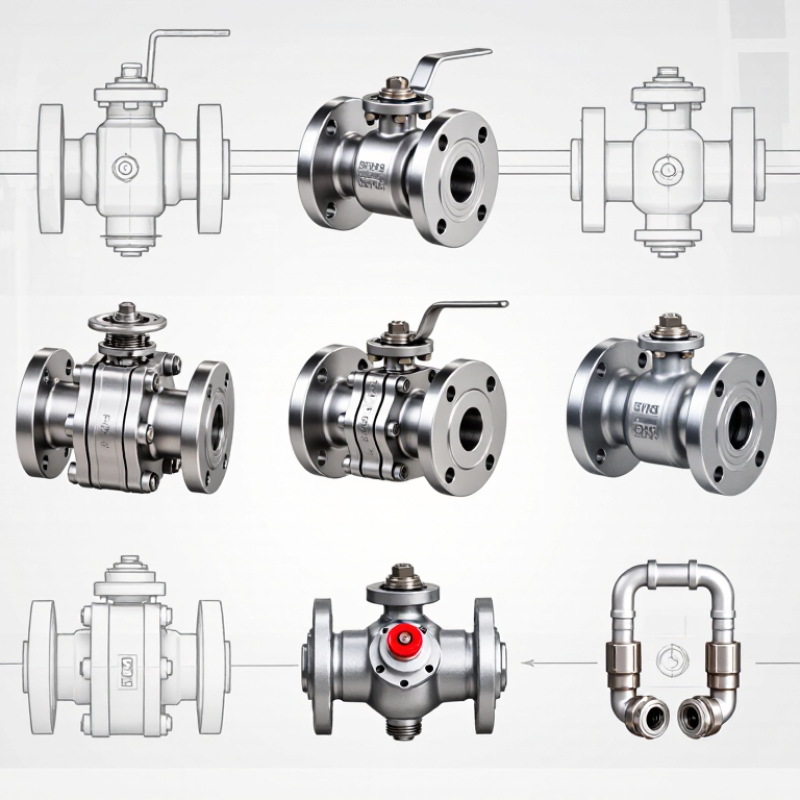
Stainless steel ball valves control fluid flow with a drilled sphere inside the valve body. When the bore aligns with the pipeline, fluid passes through with limited resistance. A quarter-turn rotates the sphere ninety degrees and stops the flow. Simple mechanism. Yet the diagram is incomplete.

Stainless steel resists corrosion from moisture, chemicals, and many process fluids. Its performance still depends on alloy grade, temperature, pressure, and media compatibility.

According to Grand View Research’s 2024 Industrial Valves Market report, the global market reached about USD 77.7 billion in 2023. The report also forecasts approximately 4.8% annual growth through 2030.

This expansion reflects wider demand for reliable flow-control equipment.

For global buyers, a top-ten comparison should examine more than body material. Check pressure class, port design, seat material, connection standard, and actuator interface.

API 608 and ASME B16.34 provide useful benchmarks for industrial valve construction. Fortune Business Insights’ 2024 Ball Valve Market report estimates continued market growth through 2032, driven by energy, water, and chemical applications.

However, published ratings can mislead when testing conditions differ. Buyers should request pressure-test records, material certificates, and cycle-life evidence. A valve may look robust. Installation errors still cause leakage.

Key Materials, Designs, and Performance Specifications

Top 10 Stainless Steel Ball Valves for Global Buyers

Key Materials, Designs, and Performance Specifications

A reliable stainless steel ball valve starts with the correct material grade. 304 stainless steel suits water, air, and many mild chemicals. 316 stainless steel offers better resistance to chlorides and coastal corrosion. For demanding process service, CF8M cast bodies provide a practical option. Check the ball and stem materials too. A stainless body with a weak stem is not a durable design.

Design affects both flow and maintenance. Full-port valves reduce pressure loss in pipelines. Reduced-port models can lower purchase cost and weight. Two-piece bodies support quick installation, while three-piece bodies simplify cleaning and seal replacement. Floating balls handle many general applications. Trunnion-mounted designs suit larger sizes and higher operating torque. Seat materials also matter. PTFE works well across common temperature ranges, but reinforced PTFE or PEEK may perform better under wear and heat.

Performance specifications deserve close comparison. Review pressure class, temperature range, connection type, flow coefficient, leakage rate, and operating torque. Pneumatic or electric actuators should match the valve’s torque requirements. Do not trust a polished datasheet alone. Test certificates, material reports, cycle data, and inspection records reveal more. A minor oversight can cause major downtime. I would also verify metric and imperial dimensions before ordering. That detail is easy to miss. Configuration, service media, and installation conditions should guide the final choice, not price alone.

How to Compare the Top 10 Valves for Global Applications

A useful comparison of the top 10 stainless steel ball valves starts with application data, not catalog claims. When ranking them, confirm the body grade, pressure rating, temperature range, and connection standard. A valve for seawater needs stronger corrosion resistance than one for dry compressed air. Check the seat material carefully. It affects leakage, chemical compatibility, and service temperature.

Small details matter. Compare full-port and reduced-port designs because flow loss can change pump performance. Review torque values, handle clearance, actuator options, and maintenance access. For global projects, verify accepted testing standards and documented pressure tests. Do not assume similar-looking valves perform equally. This is often missed.

The top ten should also be compared through traceability and supply reliability. Ask whether heat numbers, inspection records, and material certificates are available for each shipment. Confirm spare-seat availability and realistic replacement times, especially for remote facilities. Packaging deserves attention; damaged threads can delay installation before the valve reaches the site. I would also score each valve by total operating cost, not purchase price alone. A lower-cost unit may require earlier replacement or more frequent inspection. A polished data sheet can still hide weak field support. Real installations reveal more. One flaw remains: published ratings may not reflect every fluid, cycling pattern, or installation error. Have a qualified engineer review the final selection against actual process conditions.

International Standards, Certifications, and Buyer Requirements

Top 10 Stainless Steel Ball Valves for Global Buyers

International valve purchasing depends on more than body material and price. Buyers should verify design standards, pressure ratings, end connections, and test procedures before comparing suppliers. API 608 and ASME B16.34 are common references for industrial ball valves. ISO 5208 or API 598 may define shell and seat testing. Check the exact edition requested by the project.

Material certificates should identify the heat number, grade, and manufacturing route. Common choices include 304, 316, and 316L stainless steel, but service conditions decide suitability. EN 10204 3.1 documentation provides useful traceability. For sour environments, buyers may require NACE MR0175 or ISO 15156 compliance. Do not accept a certificate without matching valve markings. Small gaps matter.

Actuator interfaces often follow ISO 5211, while fire-safe designs may require API 607 or ISO 10497 testing. Export projects can also involve pressure equipment regulations, customs documents, and country-specific conformity marks. Ask for drawings, inspection plans, test records, and spare-part details before payment. Be precise.

In practice, procurement teams sometimes focus too heavily on certificates. A valid document cannot correct poor machining, damaged seats, or unclear storage conditions. Request sample photographs, dimensional checks, and independent inspection when risk is high. Even experienced buyers miss thread standards or gasket materials. That mistake becomes expensive after installation.

Top 10 Stainless Steel Ball Valves for Global Buyers - International Standards, Certifications, and Buyer Requirements
No. Stainless Steel Ball Valve Configuration Typical Size & Pressure Range Principal Materials End Connection & Design Features Relevant International Standards Certifications, Tests & Buyer Requirements Typical Global Applications
1 Two-Piece Full-Port Floating Ball Valve DN15–DN100 (½–4 in)
Class 150–300 or PN16–PN40
Body: ASTM A351 CF8M or CF8
Ball: 316 or 304 stainless steel
Seats: PTFE or reinforced PTFE
Threaded Socket-weld Flanged
Full bore for reduced pressure loss; lever or lockable handle.
ASME B16.34; API 608; ASME B16.5; ASME B16.25; ASME B1.20.1 Pressure and leakage testing to ISO 5208 or API 598; material certificates to EN 10204 3.1; buyers commonly request 100% shell and seat testing. Water treatment, food processing, general chemical service, compressed air and industrial utilities.
2 Three-Piece Sanitary Ball Valve DN15–DN100 (½–4 in)
Usually PN10–PN16 or 150 psi
316L stainless steel wetted parts
EPDM, PTFE or FKM elastomers
Polished internal surfaces
Tri-clamp Butt-weld Orbital-weld
Hygienic cavity design; drainable and cleanable construction.
ASME BPE where applicable; ISO 2852 for hygienic clamp interfaces; applicable sanitary tubing and fitting standards Buyers may require surface-finish records, typically Ra ≤0.8 µm for product-contact surfaces, elastomer compliance documents, and dye-penetrant inspection of welds. Dairy, beverage, pharmaceutical, biotechnology and hygienic process systems.
3 Forged Stainless Steel Threaded Ball Valve DN8–DN50 (¼–2 in)
Class 800–1500
Forged ASTM A182 F316/F304 body
316 or 304 ball and stem
PTFE, RPTFE or PEEK seats
NPT BSPT BSPP
Compact construction; anti-static and blowout-proof stem options.
ASME B16.34; ASME B1.20.1 for NPT; ISO 17292 for applicable metal ball-valve designs Hydrostatic shell and seat tests to API 598 or ISO 5208; positive material identification may be requested for critical services. Instrumentation isolation, gas distribution, hydraulic systems, laboratories and compact process skids.
4 Flanged Floating Ball Valve with Fire-Safe Design DN50–DN300 (2–12 in)
Class 150–600 or PN16–PN63
CF8M/CF8 cast stainless steel or forged stainless steel
Graphite secondary sealing
PTFE or metal-supported seats
RF flange RTJ flange
Fire-safe stem and body sealing; locking device and optional cavity relief.
API 608; ASME B16.34; ASME B16.5 or B16.47; API 607 for fire testing of quarter-turn valves Fire-safe test report to API 607; shell, seat and fugitive-emission tests; ISO 15848-1 may be specified for low-emission service. Oil and gas terminals, refineries, chemical plants and above-ground hydrocarbon piping.
5 Trunnion-Mounted Ball Valve for Pipeline Service DN100–DN600 (4–24 in)
Class 300–1500
Forged or cast stainless steel body
316 stainless steel trim
PEEK, nylon or metal-backed seats
Full bore Double block and bleed Drain and vent
Reduced operating torque for large-diameter pipelines.
API 6D; ISO 14313; ASME B16.34; ASME B16.5/B16.47; ASME B16.25 API 6D design and test documentation; fire-safe qualification where required; fugitive-emission testing; NACE MR0175/ISO 15156 for sour service. Transmission pipelines, natural gas, crude oil, LNG facilities and high-pressure process lines.
6 Cryogenic Stainless Steel Extended-Bonnet Ball Valve DN15–DN300 (½–12 in)
Class 150–600 or PN16–PN63
316L stainless steel body and trim
PTFE, PCTFE or other low-temperature seat materials
Extended bonnet with stainless stem
Extended bonnet Top-entry or side-entry
Designed to keep the stem seal away from the cold zone; optional vacuum-jacketed ends.
ISO 28921-1; ASME B16.34; applicable ASME flange and welding-end standards Low-temperature functional testing; helium leak testing may be specified; buyers should define design temperature, thermal cycling and insulation requirements. LNG, liquid nitrogen, oxygen, argon, hydrogen and other low-temperature fluid systems.
7 High-Pressure Forged Ball Valve DN15–DN100 (½–4 in)
Class 600–2500
Forged F316/F304 stainless steel
316L or hard-coated trim
PEEK, PCTFE or metal seats
Socket-weld Butt-weld Flanged
Compact forged body; optional cavity-pressure relief and anti-static design.
ASME B16.34; API 608; ASME B16.5; ASME B16.25; MSS SP-55 for visual examination where specified Hydrostatic and pneumatic seat testing; radiographic or ultrasonic examination may be required; EN 10204 3.1/3.2 documentation for critical projects. High-pressure chemical processing, power generation, hydraulic control and process isolation.
8 Duplex Stainless Steel Ball Valve for Corrosive Service DN15–DN300 (½–12 in)
Class 150–600 or PN16–PN100
Duplex UNS S31803 or S32205 body and trim
PTFE, RPTFE or PEEK seats
Optional nickel alloy trim
Flanged Butt-weld Threaded
Higher resistance to chloride stress-corrosion cracking than conventional austenitic grades.
ASME B16.34; ISO 17292; applicable ASME flange and welding standards; ASTM material specifications for duplex grades Positive material identification, ferrite-content control, solution-annealing records and corrosion-service compatibility review are commonly required. Seawater, desalination, offshore platforms, pulp and paper, chemical and marine systems.
9 Metal-Seated Stainless Steel Ball Valve DN25–DN300 (1–12 in)
Class 300–1500
Stainless steel or duplex body
Hard-faced ball and seats using chromium carbide, tungsten carbide or similar coatings
Graphite packing
Fire-safe option Anti-abrasion High-temperature
Suitable for erosive, abrasive or high-temperature media; tighter shutoff may require lapping and controlled clearance.
API 6D or API 608 as applicable; ASME B16.34; API 607 where fire-safe qualification is required Seat-leakage acceptance must be agreed in advance; buyers may request coating thickness, hardness, low-emission packing and high-temperature cycle-test reports. Slurry, catalyst, hot gas, abrasive chemicals, power plants and high-temperature process units.
10 Pneumatically Actuated Stainless Steel Ball Valve Package DN15–DN300 (½–12 in)
Class 150–600 or PN16–PN63
316/316L or CF8M valve body
Aluminum or stainless actuator housing
PTFE, RPTFE, PEEK or metal seats
Double-acting Spring-return Manual override
Optional solenoid valve, limit switch box, positioner, filter-regulator and partial-stroke device.
Valve standards: API 608, ISO 17292 or API 6D as applicable; actuator interface commonly specified to ISO 5211; electrical equipment may require IECEx, ATEX or other local approval. Functional test of the complete assembly; fail-open/fail-closed confirmation; IP rating, hazardous-area classification, air supply pressure and control-signal requirements should be stated by the buyer. Automated water, chemical, energy, food, pharmaceutical and process-control systems.
Standards, pressure ratings, temperature limits and certification requirements should be confirmed against the project specification, applicable destination-country regulations and the latest edition of each referenced standard.

Installation, Maintenance, and Long-Term Cost Considerations

For global buyers comparing the top ten stainless steel ball valves, installation quality often matters more than the purchase price. The U.S. Department of Energy reports that compressed-air leaks can waste 20–30% of compressor output. A poorly aligned valve may increase this loss through vibration and seal damage. Keep piping supported, remove debris, and confirm flow direction before tightening. Use calibrated tools. Do not force the handle.

Maintenance should follow pressure, temperature, and cycling conditions. ISO 15848-1 evaluates fugitive emissions through leakage classes and mechanical cycles. This standard is useful when selecting valves for hazardous or high-value fluids.

API 598 also defines shell and seat testing practices. Inspect stems, packing, and body joints during scheduled shutdowns. A simple leakage log can reveal gradual failure earlier than visual checks. However, maintenance intervals should not be copied blindly from another plant. Fluid chemistry changes everything.

Tips: Compare total cost, not only valve price. Record torque, cycle count, and leakage readings. Replace damaged seats early. A cheap valve can become expensive after repeated shutdowns. In my view, the weakest calculation is often labor: installation access, cleaning, retesting, and disposal are easily underestimated. Build those costs into the purchasing decision.