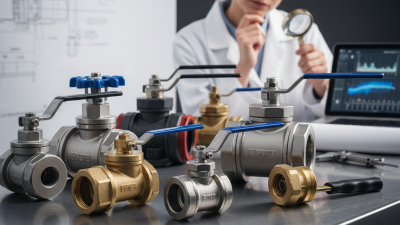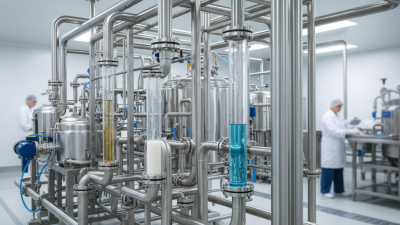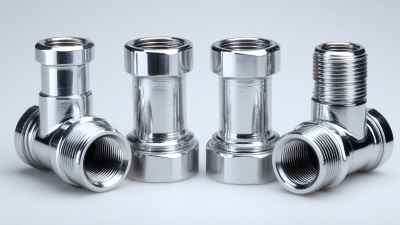
Stainless steel ball valves are gaining popularity in various industries across China. Their durability, corrosion resistance, and reliability make them a top choice for many applications. In sectors ranging from oil and gas to water treatment, stainless steel ball valves provide essential solutions. These valves are vital in controlling fluid flow and ensuring safety.
The benefits of using stainless steel ball valves extend beyond their physical properties. They offer a long service life, reducing maintenance costs over time. The smooth operation of these valves enhances efficiency in industrial processes. Additionally, their versatile design accommodates different pressure and temperature conditions. Many users find that investing in stainless steel ball valves pays off in the long run.
Despite their advantages, users should consider potential challenges. The initial cost may be higher compared to other materials. However, the long-term benefits often justify this investment. Some may question their suitability for specific applications. Thorough research is essential to ensure the right choice. Ultimately, understanding the benefits helps make informed decisions in valve selection.
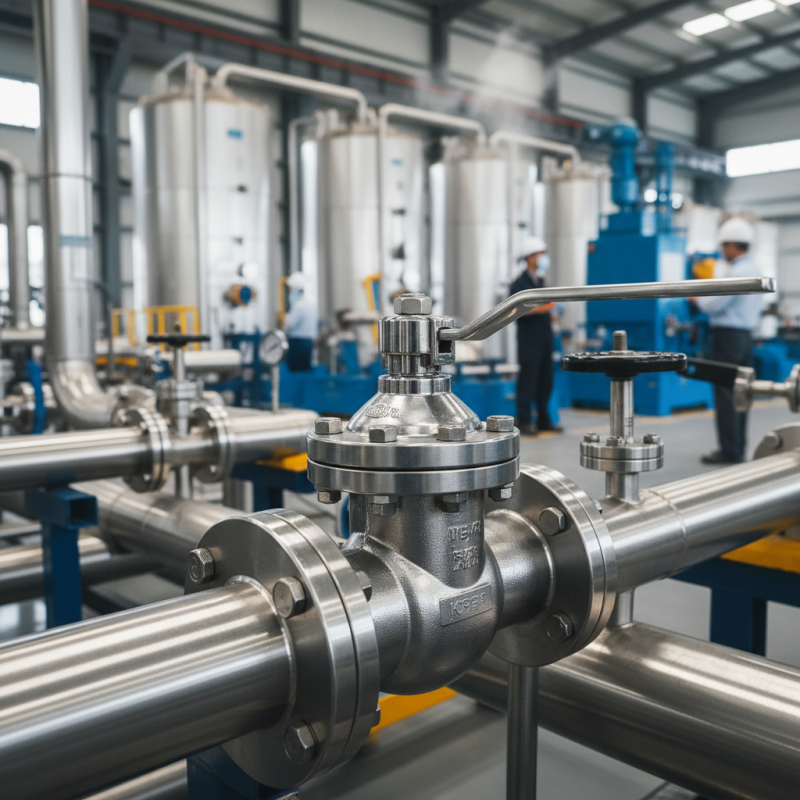
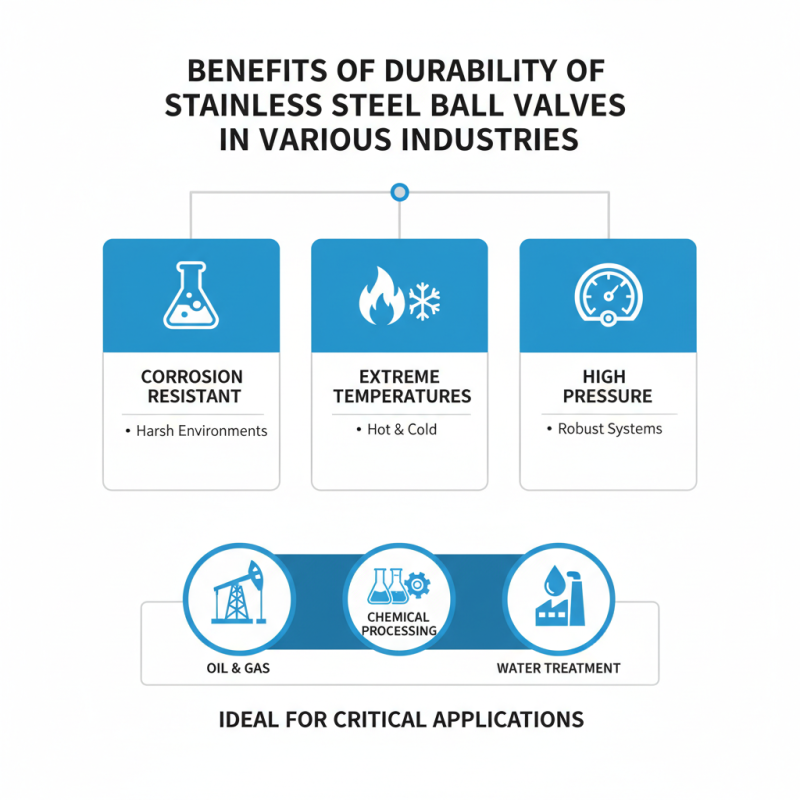
Stainless steel ball valves offer exceptional durability across various industries. Their resistance to corrosion is a significant advantage, especially in harsh environments. These valves can withstand extreme temperatures and high-pressure systems. This makes them suitable for oil and gas, chemical processing, and water treatment facilities.
In construction, the reliability of stainless steel ball valves ensures long-term performance. They can handle heavy flow rates without compromising functionality. Moreover, regular maintenance is minimal, saving time and costs for operators. However, even the best materials can fail if not properly installed. It's crucial to follow installation guidelines to maximize their lifespan.
Another factor to consider is the weight of stainless steel ball valves. While they are durable, their weight can be a disadvantage during transport and installation. This needs careful management to avoid potential injuries. Additionally, costs can be higher compared to other materials. Businesses must weigh these factors against the long-term benefits. Ultimately, stainless steel ball valves prove to be a reliable choice for many applications, despite the challenges they may present.
Corrosion resistance is a critical factor in valve performance, especially in industrial applications. Stainless steel ball valves hold a distinct advantage over other materials due to their exceptional durability. According to a report from the International Journal of Corrosion, stainless steel can resist corrosion caused by harsh chemicals and high temperatures, which are common in many industries. This resistance stems from the chromium content in stainless steel, which forms a protective oxide layer on its surface.
In environments where water or process fluids may introduce corrosive agents, stainless steel valves often outperform brass or plastic options. A study by the American Society of Mechanical Engineers (ASME) highlights that stainless steel valves have a lifespan that can exceed decades when properly maintained. Despite some claims of plastic valves being cheaper, their longevity does not compare. They are prone to cracking, especially under stress or UV exposure.
However, some might argue that stainless steel costs more upfront. This initial expense can deter companies from choosing stainless steel. Yet, the long-term savings in maintenance and replacements can outweigh this initial investment. A consideration of the total cost of ownership is essential. Awareness of this reality can inform better purchasing decisions in the long run.
| Benefit | Description | Industry Application |
|---|---|---|
| Corrosion Resistance | Stainless steel has a high resistance to rust and corrosion, making it ideal for harsh environments. | Chemical and Petrochemical Industries |
| Durability | Stainless steel valves can withstand high pressures and temperatures, leading to a longer lifespan. | Oil and Gas Industry |
| Low Maintenance | Require less frequent maintenance due to their resistance to wear and tear. | Water Treatment Facilities |
| Hygienic | Ideal for applications requiring sanitary conditions, easy to clean and maintain. | Food Processing Industry |
| Thermal Stability | Maintain integrity under extreme temperatures, suitable for variable environments. | Power Generation |
| Versatility | Can be used in a variety of applications, accommodating different fluid types and pressures. | Manufacturing and Industrial Applications |
| Resistant to Biocorrosion | Not prone to damage by bacteria or microorganisms, suitable for sensitive applications. | Pharmaceutical Industry |
| Cost-Effective | Long-term savings due to lower maintenance costs and replacement needs. | General Manufacturing |
| Aesthetic Appeal | Sleek and modern appearance that complements various industrial designs. | Architectural Applications |
| Easy Operation | Simple mechanism for quick opening and closing, enhancing operational efficiency. | Automated Systems |
Stainless steel ball valves are becoming vital for flow control in various industries in China. Their design offers superior functionality compared to traditional valves. These valves feature a smooth, spherical disc that minimizes turbulence when fluid passes through. This design enhances efficiency and maintains consistent flow rates.
One key aspect of stainless steel ball valves is their durability. They withstand high pressure and temperatures, making them ideal for industrial applications. The corrosion-resistant properties of stainless steel ensure longevity, even in challenging environments. In sectors like oil and gas, this durability is critical. However, improper installation can lead to leaks or operational issues. It’s essential to ensure correct alignment and sealing during setup.
Another benefit is ease of operation. The quarter-turn mechanism simplifies control, allowing for swift opening and closing. This simplicity is beneficial in emergency situations, where speed is crucial. Yet, regular maintenance is needed to keep them functioning optimally. Over time, dirt and debris can build up, affecting performance. Ignoring maintenance can lead to costly downtime. Thus, while stainless steel ball valves offer enhanced flow control, attention to detail is necessary for achieving their full potential.
Stainless steel ball valves are known for their durability and reliability. Their design simplifies maintenance. With fewer moving parts, they require less effort during installation and repair. This quality is particularly beneficial in complex systems, where downtime can lead to significant costs.
Routine checks are easier with these valves. Their smooth surfaces reduce the accumulation of debris. This means less time spent on cleaning. However, users should monitor various environmental factors. Corrosion can occur under certain circumstances, challenging the perceived ease of maintenance.
Installation can often be accomplished with basic tools. Many manufacturers provide detailed guidelines, making it straightforward for technicians. Still, ensuring proper alignment is crucial. Misalignment can lead to leaks or operational issues later. While the process is generally user-friendly, attentive skill is necessary for optimal results.
Stainless steel ball valves are a reliable choice in various industries. They offer significant long-term savings, which is essential for businesses looking to reduce operational costs. According to industry reports, using stainless steel valves can lead to maintenance cost reductions by up to 30%. This is mainly due to their durability and resistance to corrosion, which ensures a longer lifespan compared to traditional materials.
The initial investment in stainless steel ball valves may be higher. However, the life cycle cost analysis shows that they provide better return on investment over time. In many cases, businesses can expect to recover their costs within two to three years. This is attributed to lower repair costs and reduced downtime since these valves operate smoothly and are less prone to failure.
While there are undeniable benefits, companies should consider the application environment. In some cases, the harsh conditions might still affect performance. Choosing the right valve type is crucial. Balancing initial costs with long-term reliability requires thoughtful decision-making. Informed choices lead to better long-term savings and operational efficiency.
By continuing to browse or by clicking “Accept All Cookies,” you agree to the storing of first- and third-party cookies on your device to enhance site navigation, analyze site usage, and assist in our marketing efforts. View our Privacy and Cookie Policy.