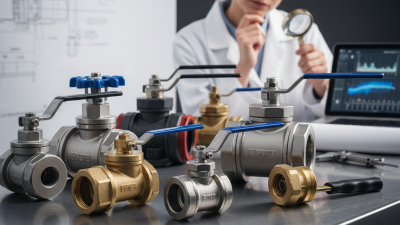
How to Choose the Right Sanitary Ball Valves for Your Needs?

Choosing the right sanitary ball valves is crucial for industries like food processing, pharmaceuticals, and biotechnology. These sectors demand high standards for hygiene and efficiency. According to a report by MarketsandMarkets, the global sanitary valves market is expected to grow from $3.4 billion in 2021 to $4.5 billion by 2026. This suggests a rising demand for quality valves.

Expert Mark Johnson, a leading figure in the sanitary valve industry, emphasizes, "Selecting the right valve can significantly impact product safety and process efficiency." Understanding factors such as material compatibility and size specifications is vital. Many decision-makers often overlook these details, leading to potential risks.

The correct choice can enhance not only performance but also compliance with regulatory standards. However, frequent mistakes occur due to a lack of thorough research or oversimplified assumptions about valve capabilities. A meticulous review of all options is essential. Choosing wisely today can save costs and hazards in the long run.
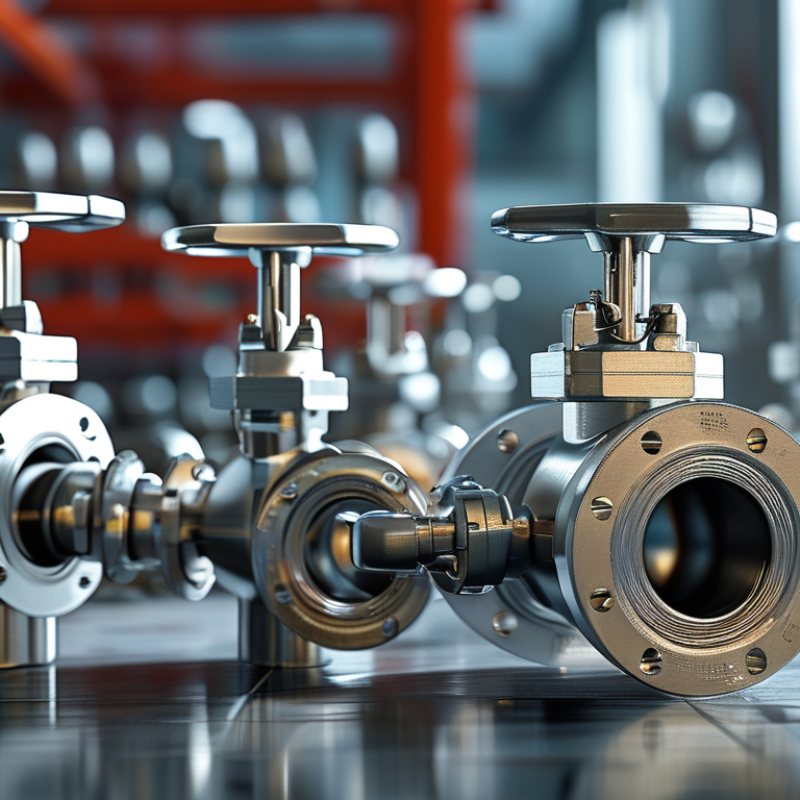
How to Choose the Right Sanitary Ball Valves for Your Needs?

Understanding Sanitary Ball Valves and Their Applications

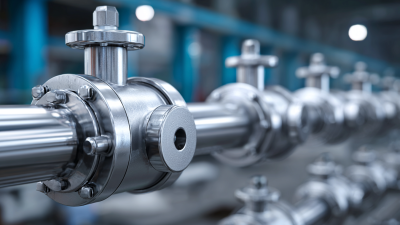
Sanitary ball valves are crucial in many industries, especially food processing and pharmaceuticals. They ensure cleanliness and prevent contamination. Understanding their structure helps in selecting the right one for specific applications. These valves typically consist of a ball with a hole in the middle. When the ball rotates, it either allows fluid to pass or blocks it. This straightforward mechanism makes them reliable and efficient.

Choosing the right valve involves considering materials and pressure ratings. Stainless steel is a common choice due to its corrosion resistance and durability. Sometimes, however, the nuance of different grades can complicate decisions. It may lead to unexpected challenges in performance. Additionally, knowing the temperature range your application requires is essential. Operating outside these parameters can compromise valve integrity.

Applications vary widely, from dairy processing to chemical handling. The cleanliness standards in each field can differ. This creates potential issues when a valve is not compatible with the specific requirements. Real-world testing is often necessary to gauge performance accurately. Moreover, future maintenance needs should be factored in when making a decision. A valve might perform well initially but fail to meet long-term demands.

Key Factors to Consider When Selecting Sanitary Ball Valves

Choosing the right sanitary ball valves requires careful consideration of several key factors. One critical aspect is the material used for the valve construction. Stainless steel is the industry standard due to its corrosion resistance and durability. A report by the Global Market Insights indicates that the stainless steel valve market is projected to reach $12 billion by 2027. This growth reflects the material's popularity in industries like food and pharmaceuticals.

Another essential factor is the valve size. Choosing the correct size impacts flow rates and pressure drops. According to a study from the Valve Manufacturers Association, 30% of users reported inefficiencies due to improper sizing. Oversized valves can lead to turbulence, while undersized valves may restrict flow. Accurate measurements and system requirements should guide your choice.

Also, consider the valve's end connections and compatibility with existing systems. Different industries may require specific standards such as tri-clamp, threaded, or weldable ends. A survey revealed that nearly 20% of users experienced challenges due to incompatible connections. This highlights the importance of assessing both current and future system designs to avoid costly upgrades.

Material Options for Sanitary Ball Valves: Pros and Cons

When selecting sanitary ball valves, material choice is crucial. Various materials offer distinct advantages and drawbacks. Stainless steel is a popular option, known for its strength and corrosion resistance. According to the International Stainless Steel Forum, stainless steel makes up approximately 60% of the sanitary valve market. Its suitability for high-temperature applications makes it a reliable choice.

However, costs can be high. While stainless steel ensures durability, its initial investment may strain budgets, particularly for smaller operations. On the other hand, plastic materials, such as PVC and CPVC, present a cost-effective alternative. These materials are lightweight and resistant to a wide range of chemicals. They perform well in less rigorous conditions. Nevertheless, they lack the high-pressure capacity of metals, limiting their usage.

Another material worth considering is Hastelloy, which excels in extreme environments. Its resistance to pitting and stress corrosion makes it invaluable in the pharmaceutical and food industries. Yet, such materials often come with a steep price tag, necessitating careful consideration of the application. Ultimately, choosing the right material requires a balance between performance, cost, and the specific requirements of your operation.

Sizing Sanitary Ball Valves: How to Ensure Proper Fit

Choosing the right sanitary ball valves starts with proper sizing. Ensuring a precise fit is crucial for efficient operations. According to industry reports, improper sizing can lead to leaks and reduced system performance. Key dimensions to consider include valve diameter and flow rate requirements. Assessing these factors can prevent costly issues down the line.

Some professionals recommend using the three-times rule for calculating the diameter. This guideline states that the valve size should ideally be three times the size of the piping. However, this may not apply in every situation. Each application has unique needs, which require careful evaluation. Always consult with an expert to analyze specific system requirements.

When sizing valves, don't overlook the importance of pressure ratings. Valves must withstand operational pressures. A mismatch can lead to failures or unsafe conditions. Regular reviews of pressure data and valve specifications are recommended. Stay updated with industry standards and compliance regulations to mitigate risks associated with improper fitting.

Maintenance and Care for Sanitary Ball Valves to Maximize Lifespan

Sanitary ball valves are essential in industries like food and pharmaceuticals. Proper maintenance is crucial to ensure their longevity. According to industry reports, regular inspections can reduce failure rates by up to 30%. Checking for leaks and buildup can prevent more significant issues down the line.

It's vital to clean these valves regularly. A weekly cleaning routine can maintain optimal function. Using appropriate cleaning agents that comply with industry standards is necessary. Consider the valve's material to avoid corrosion. Simply scrubbing with a brush may cause scratches, which can impact the valve's performance.

Monitor the seals and O-rings for wear. Replacing these components at the first sign of damage can extend the valve's life significantly. A study from the Fluid Control Association indicates that replacing worn seals can improve efficiency by as much as 25%. Regular maintenance schedules, coupled with a proactive approach, can make a significant difference in valve performance.