China Best Diaphragm Valves Manufacturer or Supplier?

Choosing the China best diaphragm valves manufacturer or supplier requires more than comparing prices. It demands process knowledge, verified materials, and dependable after-sales support. Diaphragm valves must control corrosive chemicals, sterile fluids, slurries, and high-purity media without exposing the process to unnecessary contamination. The wrong rubber compound or lining can swell, crack, or shed particles inside a clean pipeline.

The global industrial valves market was valued at approximately USD 78.8 billion in 2024, according to Fortune Business Insights, and is projected to grow steadily through 2032. That report covers many valve types, not diaphragm valves alone. This distinction matters. A supplier may advertise impressive production capacity while lacking proven experience in sanitary or severe-service applications. Grand View Research also identifies process industries, water treatment, and chemical manufacturing as major valve-demand sectors. These applications place real pressure on sealing life, actuator accuracy, and documentation.

Philip L. Skousen, author of the Valve Handbook, offers a practical reminder: “Valve selection begins with process conditions, not price.” That sentence deserves attention. A reliable Chinese manufacturer should provide pressure-temperature charts, elastomer options, lining specifications, testing records, and traceable certificates. Ask to see the diaphragm after cycling tests. Look for clean machining around the weir. Check whether the actuator closes smoothly at the specified air pressure.

China has capable manufacturers. Some are excellent. Others are still developing quality systems. This is where buyers must remain careful, even skeptical. The best supplier is not simply the factory with the largest catalogue. It is the partner that understands your medium, documents its claims, and accepts technical questions before signing an order.
China Best Diaphragm Valves Manufacturer or Supplier?

What Is a Diaphragm Valve and How Does It Work?

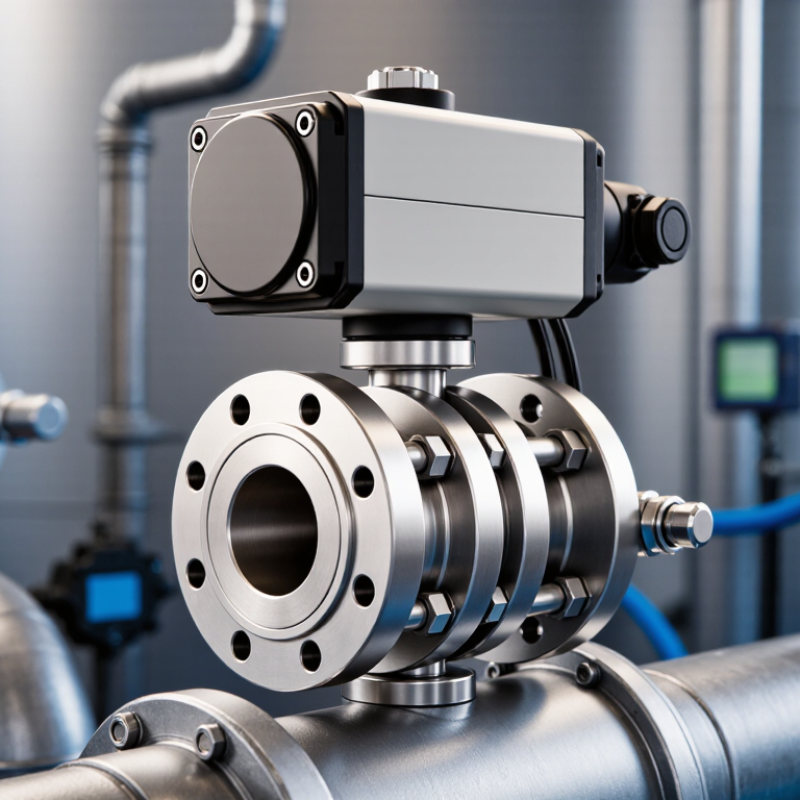
A diaphragm valve controls fluid flow with a flexible membrane rather than a rotating plug or sliding gate. The diaphragm separates the process fluid from the valve’s moving parts. This design helps protect sensitive fluids from contamination and reduces leakage risks around the stem.

When the actuator moves downward, it presses the diaphragm against a shaped weir or seat. Flow stops. When the actuator rises, the elastic membrane lifts away, creating an open passage. The movement looks simple, but material selection matters greatly. Rubber, PTFE, and other diaphragm materials respond differently to temperature, pressure, chemicals, and repeated cycling. A valve that works well with clean water may fail quickly with abrasive slurry.

Keep this detail in mind. Proper sizing affects control accuracy and service life. An oversized valve may operate in a narrow opening range, while an undersized valve can create excessive pressure loss. Experienced suppliers should verify media compatibility, operating pressure, temperature, connection type, and actuator requirements before production. Factory inspection should include visual checks, shell testing, seat testing, and functional cycling.

No valve is perfect.

In practical maintenance, the diaphragm is often the first component to inspect. Cracks, swelling, hardening, or uneven marks can indicate unsuitable material or excessive stress. Even reliable designs need periodic review, because real operating conditions rarely match a clean specification sheet.

Key Types of Diaphragm Valves Made in China

China Best Diaphragm Valves Manufacturer or Supplier?

Key Types of Diaphragm Valves Made in China

Chinese diaphragm valve suppliers commonly produce weir, straight-through, and flanged diaphragm valves. Weir valves suit clean liquids, mild chemicals, and low-to-medium flow rates. Their raised saddle supports the diaphragm during throttling. Straight-through valves reduce flow resistance and handle slurries with fewer dead zones. This design is useful when particles may settle inside a pipeline. Flanged models simplify installation on larger process lines, while threaded versions fit compact equipment and smaller pipework.

Lining and diaphragm materials also shape valve performance. PTFE linings resist many corrosive chemicals, but temperature limits still require careful checking. EPDM diaphragms often suit water-based media, while reinforced rubber supports demanding industrial service. Pneumatic actuators provide repeatable control in automated systems. Manual handwheels remain practical for isolated lines. No design is perfect. A valve selected only by pipe size may fail early under pressure cycles, abrasive solids, or repeated sterilization.

Tips: Confirm the medium, temperature, pressure, flow direction, and cleaning method before ordering. Request material certificates, pressure-test records, and dimensional drawings. Check whether the diaphragm can be replaced without removing the body. This small detail saves maintenance time. Also inspect surface finish around the weir. It is often overlooked. A reliable supplier should explain these limitations clearly, not promise universal compatibility.

How to Evaluate Chinese Diaphragm Valve Manufacturers

China Best Diaphragm Valves Manufacturer or Supplier?

How to Evaluate Chinese Diaphragm Valve Manufacturers

Choosing a Chinese diaphragm valve manufacturer requires more than comparing catalog prices. Study its production experience, engineering records, and quality controls. Ask how long the factory has produced diaphragm valves for your process conditions. Practical experience matters when corrosive fluids, sterile lines, or frequent cycling are involved.

Request material certificates for the valve body, diaphragm, and wetted components. Check whether each batch has traceable inspection records. A reliable supplier should explain its pressure testing method clearly. Ask for test samples, dimensional drawings, and a documented quality plan. Factory audits can reveal useful details, including storage conditions, machining accuracy, and assembly cleanliness. Small details matter.

I once reviewed a supplier that offered excellent drawings but weak test documentation. The product looked professional. The evidence was incomplete. That experience changed my evaluation method. I now compare technical claims with actual records, not polished brochures. Check diaphragm service life under real temperature and pressure cycles. Confirm replacement part availability and response times. Communication also deserves testing. Send several technical questions and observe the answers. Vague replies may indicate limited engineering support. No factory is perfect. Even strong manufacturers may have occasional delays or inconsistent paperwork. Discuss corrective actions openly. A dependable partner should accept reasonable scrutiny and improve its process.

China Best Diaphragm Valves Manufacturer or Supplier? - How to Evaluate Chinese Diaphragm Valve Manufacturers

No. Evaluation Dimension What to Verify Practical Benchmark or Reference Recommended Evidence Suggested Weight
1 Application Suitability Confirm the valve design matches the medium, concentration, temperature, pressure, flow direction, and cleaning method. The selected body, diaphragm, lining, and actuator should be compatible with the actual service conditions rather than selected only by nominal size. Completed technical datasheet and application review 15%
2 Body and Lining Materials Check whether the wetted materials are suitable for corrosive, abrasive, ultrapure, or hygienic service. Common options include forged or cast metal bodies, thermoplastic bodies, rubber linings, and fluoropolymer linings. Material selection must be based on the fluid and temperature. Material certificates, lining specification, and chemical compatibility data 12%
3 Diaphragm Material and Service Life Evaluate diaphragm construction, elastomer or PTFE material, reinforcement, replacement method, and cycle-life expectations. EPDM, PTFE, FKM, and other materials have different chemical and temperature limits. A credible supplier should provide service limitations instead of one universal rating. Diaphragm drawings, material identification, cycle-test records, and spare-part information 14%
4 Pressure, Temperature, and Size Range Verify pressure class, temperature limits, end connections, nominal diameter, and flow coefficient for each specific model. Ratings vary significantly according to body material, diaphragm material, valve size, lining, and operating temperature. Avoid relying on a single range for an entire product family. Pressure-temperature charts, dimensional drawings, and model-specific technical data 12%
5 Manufacturing Quality System Assess process control, inspection records, traceability, calibration, nonconformance handling, and corrective actions. An independently verifiable ISO 9001 quality management system is a useful baseline, but it does not replace product-specific inspection and testing. Current certificate, audit report, inspection plan, and calibration records 14%
6 Testing and Inspection Confirm shell tests, seat tests, visual inspection, dimensional checks, and any special tests required by the purchase specification. Testing should follow the applicable valve standard or an agreed inspection and test plan. Test pressure and acceptance criteria must be documented. Factory test reports, third-party inspection records, and inspection certificates 12%
7 Standards and Certifications Check compliance with the standards, regulatory requirements, and market approvals relevant to the installation location. Depending on the project, requirements may include dimensional, pressure-testing, hygienic, electrical, food-contact, or environmental regulations. Certification must apply to the quoted model. Certificate numbers, scope statements, declarations of conformity, and standard editions 10%
8 Actuation and Control Options Review manual, pneumatic, electric, fail-safe, position feedback, control signal, enclosure, and automation options. Actuator sizing should consider differential pressure, operating frequency, safety position, air supply, and required control accuracy. Actuator sizing calculation, wiring or air diagrams, and functional test records 8%
9 Documentation and Traceability Verify that drawings, manuals, certificates, serial numbers, material batches, and spare-part references are consistent. A reliable supplier should be able to trace critical wetted components and provide controlled revisions of technical documents. Document register, serial-number records, controlled drawings, and operation manual 6%
10 After-Sales Support and Total Cost Compare lead time, spare diaphragms, warranty terms, technical response, maintenance requirements, and landed cost. The lowest purchase price may not be the lowest total cost if diaphragm replacement, downtime, documentation, or service support is weak. Written warranty, spare-parts list, response-time commitment, and total-cost comparison 7%
Total Suggested Evaluation Weight 100%

Note: Technical ratings are model-specific. Final selection should be based on the applicable service conditions, approved standards, inspection requirements, and documented evidence for the quoted valve.

Quality Standards, Materials, and Production Capabilities

Choosing China’s best diaphragm valve manufacturer requires more than a polished brochure.
In valve sourcing, measurable controls matter more. A capable supplier should provide quality-system records, material certificates, pressure-test data, and traceability from heat number to finished valve.
ISO 9001 supports process discipline, while ISO 5208 or EN 12266 can guide leakage and pressure testing. Requirements must match service conditions. A hygienic line needs different evidence than a corrosive chemical line.

Material selection starts with the diaphragm. EPDM, PTFE, and FKM perform differently under temperature, chemicals, and repeated cycling. Natural rubber may suit some abrasive fluids, but it is not universal. Valve bodies may use ductile iron, stainless steel, lined metal, or engineered polymers.
Ask for compound identification, hardness ranges, and permeation data when the medium demands it. Small details matter: a clean diaphragm edge, even bolt torque, and a smooth weir can prevent early failure.
Test reports should identify equipment, date, pressure, and acceptance criteria.

Production capability involves more than machining capacity. Look for controlled molding, calibrated gauges, documented assembly procedures, and final inspection resources. Batch sampling can miss assembly variation. Full pressure testing builds stronger confidence, although it takes more time.
Packaging and storage also deserve attention; compressed diaphragms may deform before installation.
No factory is perfect. Honest limitations, corrective-action records, and reliable lead-time data are more credible than absolute claims. A supplier welcoming a sample audit may deserve deeper evaluation.

How to Select the Right Chinese Supplier for Your Application

China Best Diaphragm Valves Manufacturer or Supplier?

Selecting the right Chinese diaphragm valve supplier starts with your process, not the lowest quotation. Identify fluid type, temperature, pressure, cleanability, and cycling frequency. A corrosive slurry may need PTFE lining, while pharmaceutical service requires validated elastomers and hygienic surface control. MarketsandMarkets’ 2024 Industrial Valves report values the global market at more than USD 78 billion in 2023, with continued growth expected through 2028. That scale brings capability, but also uneven quality. Bigger is not always better.

Ask for material certificates, pressure-test records, batch traceability, and diaphragm cycle data. Confirm testing against ISO 5208 or EN 12266-1 where applicable. Request a sample inspection before production. Check the body casting, bolt pattern, weir geometry, and actuator response. A factory audit should include calibration records and nonconformance handling, not only a clean showroom. ISO 9001 certification helps, but it cannot replace process evidence. I have seen polished documentation hide weak elastomer control. That risk deserves attention.

Tips: Send a detailed valve schedule with media, pressure, temperature, connection standard, and required service life. Compare total cost, including spare diaphragms, lead time, testing, and after-sales response. Ask how many emergency replacements were shipped during the past year. Review an independent inspection report when the application is critical. Do not accept “food grade” or “chemical resistant” without the exact material and certificate. Small omissions become expensive.