10 Best Diaphragm Valves for Global Buyers
Choosing the right diaphragm valves can shape an entire process line. A poor selection may cause leakage, contamination, unstable flow, or costly shutdowns. A suitable valve should match the medium, pressure, temperature, actuation method, and cleaning routine.
“Valve performance begins with understanding the process, not the product,” says Fritz Müller, founder of GEMÜ and a recognized diaphragm valve industry pioneer. This principle remains practical today. A valve facing sterile water needs different materials than one handling abrasive chemicals. The difference may appear small, such as an elastomer grade or lining thickness. It can decide whether a system runs reliably for years.
This guide, “10 Best Diaphragm Valves for Global Buyers,” examines leading options for pharmaceutical, food-processing, semiconductor, water-treatment, and chemical applications. Each selection should be judged beyond its catalog price. Buyers need to inspect body materials, diaphragm design, pressure ratings, flow capacity, certifications, spare-part access, and regional technical support.
Details matter.
A polished surface may reduce cleaning risks. A reinforced diaphragm may improve service life. Yet no valve is perfect. Even a respected brand can fail when installation, cycling frequency, or media compatibility is misunderstood. That is where many buying guides become too confident.
The comparisons here combine manufacturer data, practical selection criteria, and common operating concerns. They are intended to support informed decisions, not replace site-specific engineering review. Global buyers should confirm current specifications directly with suppliers before ordering, especially when safety, hygiene, or continuous production is involved.
Diaphragm Valve Fundamentals: ¼–24 in Sizes and Up to 40 bar Pressure
Diaphragm Valve Fundamentals for Global Buyers
Diaphragm valves isolate the process fluid from moving stem components. This design supports clean service, corrosive media, and slurry handling. Common nominal sizes range from ¼ to 24 inches. However, size alone does not define performance. A 40 bar rating may apply only to selected sizes, body materials, temperatures, and diaphragm compounds.
A practical specification should state pressure, temperature, media concentration, and cycling frequency. Rubber-lined designs may suit abrasive slurries. PTFE diaphragms often support aggressive chemicals, but repeated flexing can reduce service life. Smaller ¼–2 inch valves are useful for dosing and laboratory skids. Larger 12–24 inch units normally serve water treatment, mining, and process pipelines. Keep the flow direction clear.
The Global Industrial Valve Market report by Fortune Business Insights estimated the market at approximately USD 78.7 billion in 2023. Its analysis also identifies water, chemicals, and energy as major demand areas. These sectors require more than a catalogue pressure number. ISO 5208 leakage testing and relevant pressure-test procedures can improve purchasing confidence, but compliance must be verified for the exact design.
A neat table can mislead.
In buyer reviews, the overlooked issue is often diaphragm fatigue, not initial pressure. Frequent throttling, vacuum conditions, or temperature swings may change the selection completely. Ask for pressure-temperature curves, material certificates, cycle data, and test records. The stated 40 bar limit should be treated as a design boundary, not a promise for every operating condition.
Selection Criteria: Cv, Cycle Life, Materials, Temperature, and Compliance
10 Best Diaphragm Valves for Global Buyers
Selecting a diaphragm valve requires more than comparing pipe size and price. Start with Cv, which indicates flow capacity under defined pressure conditions. Match the calculated Cv to the process, not merely the line diameter. Oversizing can reduce control sensitivity and create unstable flow. Undersizing may cause excessive pressure loss. A practical safety margin helps, but excessive margin wastes energy.
Cycle life matters in automated systems. Ask for tested cycle data, actuator conditions, and maintenance intervals. Elastomer, PTFE, and other diaphragm materials should match the fluid’s chemistry, concentration, and cleanliness requirements. Body materials also affect corrosion resistance and service reliability. Temperature ratings must cover normal operation, cleaning cycles, pressure changes, and brief process peaks. Small details matter.
Tips: Request complete Cv curves, not a single headline value. Confirm whether cycle testing used real process conditions. Review wetted materials with a qualified engineer. Check compliance documents, traceability, pressure ratings, and regional certification needs before ordering. Requirements vary across markets. A familiar specification may still be incomplete.
Field experience shows that buyers often focus on maximum temperature and overlook minimum temperature. That can make the diaphragm stiff and reduce sealing performance. No selection is perfect. Recheck assumptions with actual flow data, especially when the process changes seasonally. Reliability depends on the valve, installation, control settings, and maintenance discipline.
10 Best Diaphragm Valves for Global Buyers
Selection criteria: Cv, cycle life, materials, temperature, and compliance
How to use this chart: The bars show typical upper continuous service temperatures for commonly used diaphragm materials in industrial valve applications. PTFE and modified PTFE generally provide the highest temperature resistance, while elastomers such as natural rubber and polyurethane are commonly selected for lower-temperature services and strong flexibility.
Buyer checklist: Compare Cv at the same valve size and pressure drop, confirm cycle-life data under the actual media and operating frequency, verify body and diaphragm compatibility, check minimum and maximum operating temperatures, and request documented compliance for requirements such as FDA 21 CFR, EU 1935/2004, USP Class VI, or applicable sanitary and chemical-service standards.
Temperature values are typical engineering screening values. Actual limits depend on formulation, pressure, media, cycle conditions, liner construction, and the manufacturer’s certified data.
Ten Leading Diaphragm Valves by Lining, Actuation, and Process Service
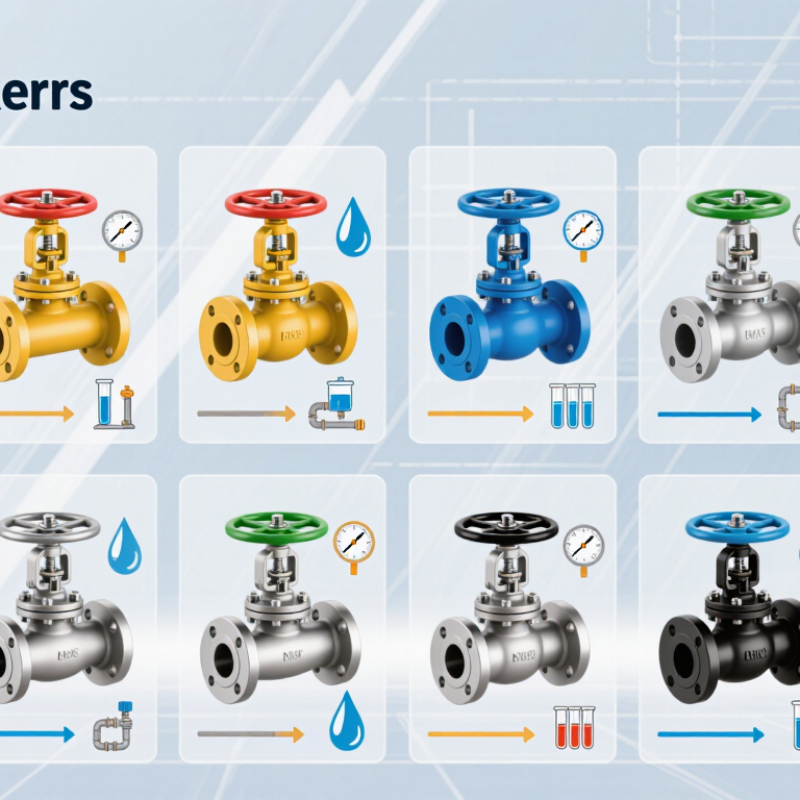
Choosing among the ten leading diaphragm valve types requires more than comparing price. Lining, actuation, and process service must match the operating conditions. Common choices include rubber-lined manual valves, PTFE-lined manual valves, pneumatic elastomer valves, pneumatic PTFE valves, and electric-lined valves. Other useful options include sanitary diaphragm valves, slurry-service valves, vacuum-rated valves, high-temperature valves, and corrosion-resistant chemical valves.
Rubber linings suit water, mild chemicals, and abrasive mixtures. PTFE handles aggressive fluids but may need careful temperature control. Pneumatic actuation supports frequent cycling and remote control. Electric actuation can fit facilities with limited air supply, though response time and fail-position requirements need review.
Sanitary designs use smooth internal surfaces and cleanable connections. Slurry valves need reinforced diaphragms and strong closing performance. In real installations, flange alignment matters. A small offset can create uneven diaphragm wear. I have seen specifications overlook this detail.
Tips: Check the fluid, temperature, pressure, solids content, and cleaning method before selecting a valve. Ask for diaphragm material data, cycle-life testing, and leakage records. Confirm whether the valve should fail open, fail closed, or hold position. Do not rely on lining names alone. Actual compatibility depends on concentration, pressure, and exposure time. A technically suitable valve can still perform poorly when maintenance access is restricted. Leave room for inspection.