What Are the Best Sanitary Ball Valves from China?

Choosing the best sanitary ball valves from China requires more than comparing prices or polished catalog photographs.

These valves control product flow in dairies, breweries, pharmaceutical plants, cosmetics facilities, and food-processing lines. Their quality appears in small details: smooth internal bores, accurate seat fitting, clean welds, and polished surfaces without visible pits.

Dr. Thomas J. Immel, a hygienic-process engineering consultant, states, “A sanitary valve is only as reliable as its least cleanable surface.” This principle matters when evaluating Chinese manufacturers. A dependable supplier should explain material grades, surface finishes, elastomer options, pressure ratings, and cleaning procedures clearly. Traceable inspection records also deserve attention.

Look closely.

The best sanitary ball valves usually use stainless steel, often 316L, for demanding hygienic applications. However, material selection alone proves little. Internal dead legs, poor diaphragm alignment, rough welding, or weak seals can create maintenance problems. A valve may look excellent outside and still perform poorly inside.

Supplier experience is equally important. Ask whether the factory supports orbital welding, electropolishing, automated testing, and documented quality control. Request sample reports, not only promises. Check how the manufacturer handles replacement parts, customization, and after-sales communication.

Chinese production is not automatically superior or inferior. Results vary widely between factories. That is the uncomfortable part.

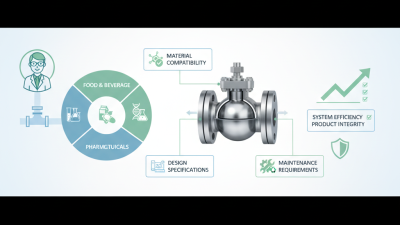
This guide compares practical selection factors, including design, certification, cleanliness, durability, delivery reliability, and total ownership cost. It also recognizes an important limitation: no valve suits every process. The right choice depends on fluid behavior, cleaning chemicals, temperature, pressure, and installation conditions.
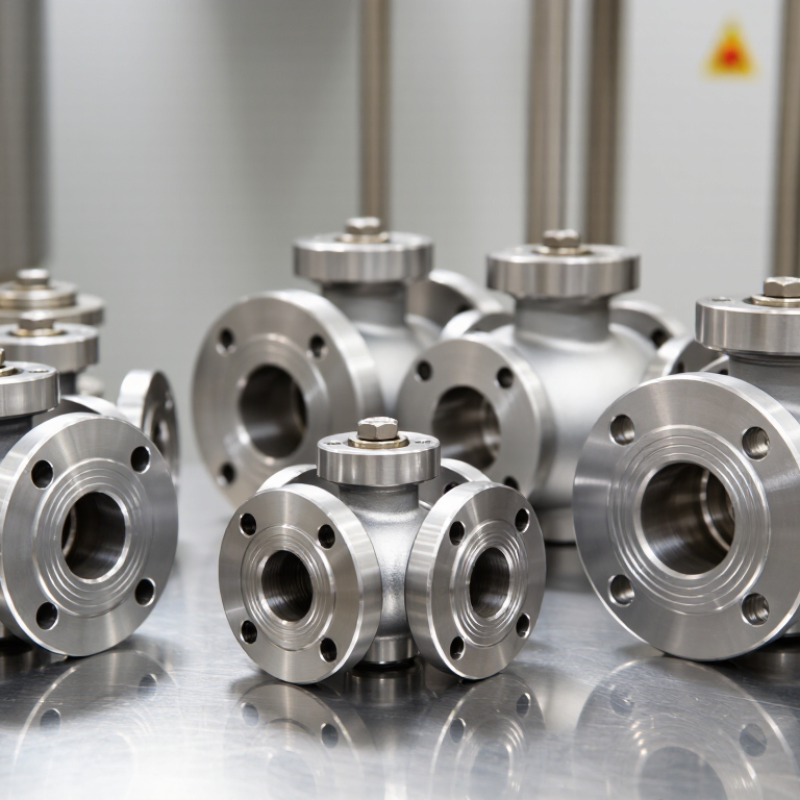
What Are the Best Sanitary Ball Valves from China?

What Defines a High-Quality Sanitary Ball Valve?

What Are the Best Sanitary Ball Valves from China?

A high-quality sanitary ball valve begins with hygienic design, not appearance. The 2024 sanitary valves market analysis by Mordor Intelligence estimates steady global growth through 2029, driven by stricter food, beverage, and pharmaceutical processing requirements. This growth makes verification more important than marketing language. A reliable valve should use corrosion-resistant 316L stainless steel, with product-contact surfaces typically finished near Ra ≤0.8 μm. The internal cavity should drain fully. No trapped liquid. No sharp shoulders.

Welds deserve close inspection. Orbital welding, controlled penetration, and documented passivation reduce contamination risks. Seals should match the process temperature, cleaning chemicals, and pressure. EPDM, PTFE, and other materials are not automatically suitable for every application. A supplier should provide material certificates, surface-finish records, pressure-test results, and traceability for each production batch. Standards such as 3-A Sanitary Standards, EHEDG guidance, and ISO 2852 connections offer useful reference points, but certificates alone do not prove workmanship.

During factory evaluation, I would inspect the valve after repeated opening and closing, not only when it is new. The handle should move smoothly, without gritty resistance. A borescope can reveal polishing marks that photographs hide. I would also question unclear tolerances. A mirror-like surface is not enough. Real quality is sometimes less attractive: consistent dimensions, honest test records, and a design that can be cleaned without disassembly. Mistakes still happen, so transparent corrective-action records matter.

Key Materials and Hygienic Design Features

What Are the Best Sanitary Ball Valves from China?

For hygienic processing, material selection matters more than a polished appearance. Many reliable Chinese sanitary ball valves use 316L stainless steel for wetted parts. This alloy resists corrosion from water, mild chemicals, and common cleaning agents. Surface roughness should be verified, not simply advertised. A finish near Ra 0.8 μm is often suitable for hygienic service, but demanding applications may require a smoother surface.

The seat material deserves equal attention. PTFE offers chemical resistance, while EPDM performs well with hot water and many cleaning cycles. FKM can suit higher-temperature or oil-related conditions, though compatibility must be checked carefully. I have seen failures caused by choosing a seal from a catalogue shortcut. Small details matter. Ask for material certificates, batch traceability, and test records before purchase.

A hygienic design should include a full-port passage, polished internal cavities, and minimal dead space around the ball. Self-draining geometry helps prevent retained liquid after cleaning. Orbital welding, sanitary clamps, and smooth external surfaces also reduce contamination risks. Valves designed around recognized hygienic principles, including guidance from EHEDG or 3-A practices, deserve closer technical review. Still, certification alone is not proof of perfect performance. Installation angle, gasket compression, cleaning temperature, and operating frequency can change the result. The best supplier should explain these limits clearly, even when the answer is inconvenient.

Leading Types of Sanitary Ball Valves Made in China

What Are the Best Sanitary Ball Valves from China?

Chinese manufacturers produce several leading types of sanitary ball valves for hygienic processing lines. The two-piece valve suits compact systems with limited installation space. It offers a simple body and fewer external joints. The three-piece valve allows easier disassembly, inspection, and seal replacement. This design often serves dairy, beverage, biotechnology, and cosmetic equipment. Choose 316L stainless steel when corrosion resistance and cleanability matter. Surface finish is important too. A smooth internal surface helps reduce residue retention.

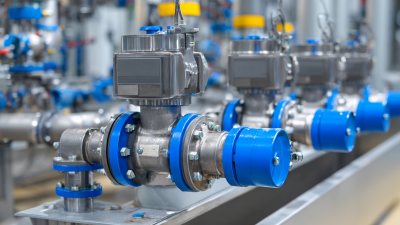
Tank-bottom ball valves support cleaner vessel drainage and reduce dead areas near outlet connections. Their short, low-profile bodies fit closely beneath tanks. Pneumatically actuated sanitary ball valves improve repeatable flow control during automated production. They may include spring-return or double-acting actuators. Control reliability depends on correct sizing, air quality, and feedback components. A valve can look polished but still perform poorly. Inspect the seat material, weld quality, cavity design, and connection standard before purchase.

In practical sourcing work, I check pressure ratings against real operating conditions, not catalog assumptions. I also request material certificates, dimensional drawings, and leakage test records. Clamp connections are convenient, but poor alignment can damage gaskets. This detail is easy to miss. Chinese suppliers can offer strong customization, including polished finishes, special seals, and actuator packages. However, quality varies between factories and production batches. Factory audits, sample testing, and clear acceptance criteria remain necessary. The best type depends on cleaning methods, temperature, pressure, and maintenance access.

What Are the Best Sanitary Ball Valves from China? - Leading Types of Sanitary Ball Valves Made in China
Sanitary Ball Valve Type Typical Flow Design Common Body Material Seat and Seal Materials Typical Size Range Typical Working Pressure Typical Temperature Range Common Connection Options Best-Fit Applications Main Advantages Important Selection Notes
Two-Piece Full-Port Sanitary Ball Valve Full-bore passage with low flow restriction 304 or 316L stainless steel PTFE, EPDM, or FKM, depending on the process DN15–DN100; approximately 1/2–4 in Commonly up to 10 bar, depending on size, seals, and design Approximately −20°C to 150°C, depending on sealing materials Tri-clamp, butt weld, threaded, or other hygienic fittings Food processing, beverage lines, water treatment, and general hygienic services Low pressure loss, simple construction, and convenient maintenance Confirm whether the internal cavity can be drained and cleaned effectively for the process.
Three-Piece Sanitary Ball Valve Full-port or reduced-port flow path 304 or 316L stainless steel PTFE, EPDM, FKM, or other process-compatible elastomers DN15–DN100; approximately 1/2–4 in Commonly 10–16 bar, subject to the specific configuration Approximately −20°C to 180°C, depending on seat and seal selection Tri-clamp, weld, threaded, or hygienic union connections Dairy, brewing, cosmetics, pharmaceuticals, and clean utility systems Easy disassembly, replaceable seats, and good serviceability Choose a certified hygienic design when product retention, cleanability, or sterilization is critical.
Reduced-Port Sanitary Ball Valve Smaller bore than the nominal pipeline diameter 304 or 316L stainless steel PTFE, EPDM, or FKM DN15–DN100; approximately 1/2–4 in Often suitable for low- to medium-pressure hygienic service Typically −20°C to 150°C, depending on materials Tri-clamp, threaded, welded, or hygienic union fittings Utility lines, sampling systems, ingredient transfer, and non-viscous fluids Compact structure and potentially lower purchase cost Pressure drop is higher than with a full-port valve, especially in larger or high-flow systems.
Tank-Bottom Sanitary Ball Valve Designed for vessel outlet or bottom discharge 316L stainless steel is commonly preferred EPDM, PTFE, FKM, or application-specific elastomers Approximately DN25–DN100; 1–4 in Commonly up to 10 bar, depending on vessel and valve design Typically 0°C to 150°C, with higher limits possible for suitable materials Tank weld connection, clamp connection, or hygienic outlet assembly Mixing tanks, storage vessels, fermenters, and process equipment Improved drainage and reduced product hold-up at the vessel outlet Check the outlet geometry, dead-leg length, drainability, and compatibility with cleaning procedures.
Cavity-Filled Sanitary Ball Valve Ball cavity is minimized or supported to reduce product retention 316L stainless steel is widely used for demanding hygienic service EPDM, PTFE, FKM, or other validated materials Approximately DN15–DN100; 1/2–4 in Typically up to 10–16 bar, depending on size and construction Usually −20°C to 150°C; confirm the rating for hot cleaning or steam service Tri-clamp, orbital weld, hygienic union, or other sanitary connections Pharmaceutical, biotechnology, high-purity food, and sensitive liquid processes Lower risk of product entrapment and easier hygienic validation Ask for documented surface finish, drainability, elastomer compliance, and cleaning validation data.
Steam-Capable Sanitary Ball Valve Ball valve configured for hot water, clean steam, or repeated thermal cycles 304 or 316L stainless steel High-temperature PTFE, EPDM, or other steam-compatible seal materials Approximately DN15–DN100; 1/2–4 in Pressure rating depends strongly on temperature and seal design Can reach approximately 140–180°C for suitable configurations Weld, tri-clamp, or hygienic union connections Clean-in-place systems, sterilization support lines, and hot-water services Suitable for elevated-temperature cleaning and sterilization cycles Verify the actual steam rating, thermal-cycle life, seat material, and applicable pressure-temperature chart.
Pneumatically Actuated Sanitary Ball Valve Manual ball valve fitted with an air-operated actuator 316L or 304 stainless steel valve body with corrosion-resistant actuator components EPDM, PTFE, FKM, or other process-compatible seals Approximately DN15–DN100; 1/2–4 in Based on the valve body rating; actuator commonly uses 5–8 bar instrument air Typically −20°C to 150°C, depending on the valve and actuator package Tri-clamp, weld, threaded, or hygienic union fittings Automated processing, batching, filling, and clean-in-place manifolds Fast remote operation and easy integration with control systems Specify fail-open, fail-closed, or double-acting operation and provide clean, dry instrument air.
Electrically Actuated Sanitary Ball Valve Motor-driven quarter-turn operation with local or remote control 304 or 316L stainless steel valve body PTFE, EPDM, FKM, or other validated sealing materials Approximately DN15–DN100; 1/2–4 in Based on the valve body rating and operating temperature Commonly −10°C to 120°C for the complete valve-and-actuator assembly Tri-clamp, welded, threaded, or hygienic union connections Facilities without instrument air, dosing systems, and automated utility lines No compressed-air supply required and suitable for programmable control Check enclosure protection, duty cycle, power supply, emergency positioning, and washdown conditions.
Sampling Sanitary Ball Valve Compact outlet designed to withdraw a controlled process sample 316L stainless steel is commonly selected for product-contact parts EPDM, PTFE, FKM, or application-specific hygienic seals Commonly DN10–DN25; approximately 3/8–1 in Often used up to 6–10 bar, subject to the design Typically 0°C to 150°C, depending on the seal package Welded outlet, tri-clamp, threaded, or aseptic sampling connection Quality-control sampling, beverage production, dairy processing, and laboratories Small footprint and convenient product sampling Consider sample dead volume, sterilization method, operator safety, and cross-contamination control.
High-Purity Polished Sanitary Ball Valve Hygienic flow path with controlled internal surface finish Electropolished or mechanically polished 316L stainless steel Validated PTFE, EPDM, FKM, or high-purity elastomers Approximately DN15–DN100; 1/2–4 in Commonly up to 10–16 bar, depending on the design Usually 0°C to 150°C; confirm limits for steam or repeated sterilization Orbital weld, tri-clamp, aseptic flange, or hygienic union Biotechnology, pharmaceutical manufacturing, high-purity water, and sensitive formulations Low surface roughness, improved cleanability, and reduced contamination risk Request material certificates, surface-finish specifications, elastomer compliance, and inspection records.

How to Evaluate Chinese Valve Manufacturers

What Are the Best Sanitary Ball Valves from China?
How to Evaluate Chinese Valve Manufacturers
Choosing a Chinese sanitary ball valve manufacturer requires more than comparing catalog prices. Begin with the factory’s production experience in hygienic processing equipment. Ask how long it has supplied valves for food, beverage, pharmaceutical, or cosmetic applications. A serious manufacturer should explain its stainless steel grades, surface finishes, seal materials, and welding procedures clearly.
Request material certificates for wetted components, not only a general product brochure. Check whether heat numbers remain traceable from raw material to finished valve. Inspect sample valves for smooth internal passages, clean orbital welds, and polished surfaces without pits or grinding marks. Ask for pressure, leakage, dimensional, and surface roughness test records. Details matter.
Visit the facility when possible. Observe machining areas, cleaning stations, calibration labels, and final inspection routines. A polished showroom proves little. Third-party inspection can reveal inconsistencies between approved samples and batch production. Confirm whether the manufacturer provides drawings, replacement seal specifications, installation guidance, and controlled revision records.
Communication is another practical test. Send a technical question with several requirements and review the response carefully. Vague answers may indicate weak engineering support. Delivery promises should match documented capacity, not optimistic sales language. No checklist is perfect. Even experienced buyers can overlook change control or packaging cleanliness. A small trial order, followed by inspection, often provides more evidence than a long presentation. Reliability develops through repeated, measurable performance.

Selection Criteria for Different Processing Applications

What Are the Best Sanitary Ball Valves from China?

Selection Criteria for Different Processing Applications

Choosing a sanitary ball valve depends on the process, not only the purchase price. Dairy lines often need 316L stainless steel, smooth internal surfaces, and minimal dead legs. These details help reduce residue around the seat and body. Beverage systems may prioritize fast cleaning, reliable drainage, and compatibility with frequent temperature changes. Pharmaceutical and cosmetic applications require stricter control of surface finish, sealing materials, and documentation.

Consider the complete operating cycle. Can the valve handle your product temperature, pressure, viscosity, and cleaning chemicals? CIP systems need strong flow paths and dependable seals. SIP service demands materials that remain stable under repeated steam exposure. Thick sauces or products containing particles may require a larger passage and suitable seat design. Clamp connections simplify maintenance, while welded connections can reduce crevices. Ask for material certificates, pressure-test records, surface-finish data, and inspection procedures. Do not accept vague claims. They are not enough.

Tips: Match the elastomer to the product and cleaning fluid. Check every valve position during drainage tests. A small trapped pocket can become a large hygiene problem. Review the supplier’s drawings carefully; dimensions sometimes differ from your existing line. The lowest quotation may look attractive, but service life, spare parts, and cleaning performance can change the real cost. Even experienced teams miss this occasionally.