What Are the Best Sanitary Valves in 2026?
Choosing the best sanitary valves in 2026 requires more than comparing polished bodies, port sizes, and purchase prices. Hygienic performance depends on cleanability, drainability, surface finish, seal compatibility, and validated operating procedures. A valve can look immaculate and still retain product in a hidden cavity.
Grand View Research estimates that the global sanitary valves market will continue expanding through 2030, supported by pharmaceutical, dairy, beverage, and biotechnology production. MarketsandMarkets also identifies automation, aseptic processing, and stricter hygiene expectations as major growth drivers. These reports show market momentum, but they do not automatically identify the best valve for every plant. Real selection still depends on temperature, pressure, cleaning chemicals, flow behavior, and maintenance access.
Dr. Martin Wiedmann, a recognized food-safety and hygienic-design researcher, has emphasized this principle: “Food safety is a system, not a single component.” That warning matters when evaluating sanitary valves. A premium diaphragm valve may suit sterile transfer, while a butterfly valve may offer better value in a beverage line. The choice is rarely universal. Sometimes, the cheapest valve becomes expensive after repeated seal failures, difficult inspection, or excessive downtime. Even industry comparisons can oversimplify performance. Certification alone does not guarantee perfect installation or cleaning results. The strongest 2026 choices will combine hygienic design, documented testing, traceable materials, and practical service experience. Not every specification deserves equal weight.
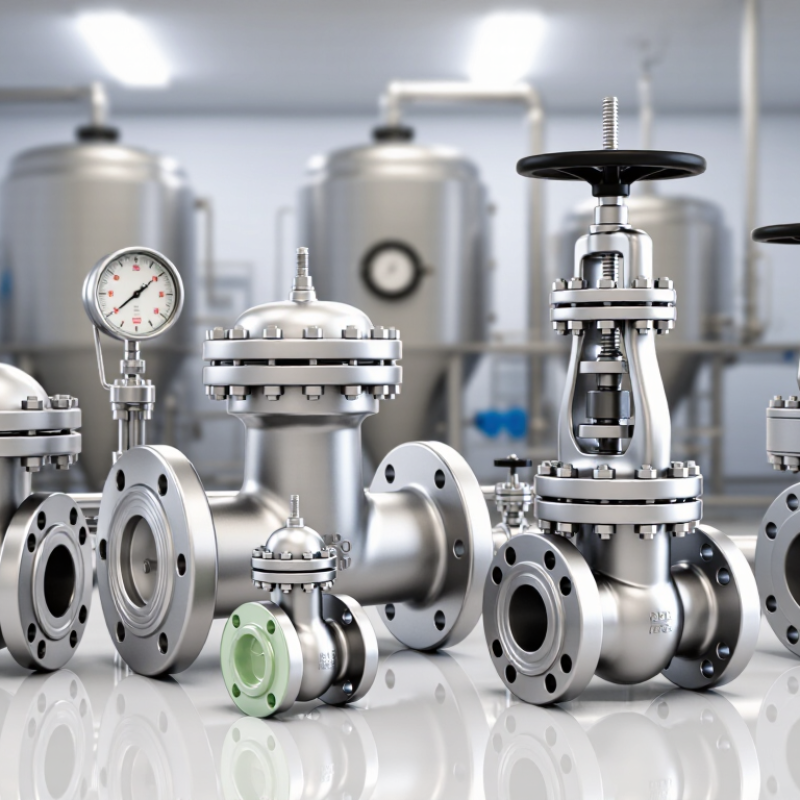
What Are Sanitary Valves and Why Do They Matter in 2026?
Sanitary valves regulate, isolate, or redirect liquids in food, beverage, pharmaceutical, and personal-care processing. They are designed to limit places where product residue or microbes can collect. Smooth product-contact surfaces, suitable seals, and cleanable connections matter. They do more than stop flow. They help protect product quality and make cleaning routines more dependable.
In 2026, these valves matter as processors seek reliable hygiene, less downtime, and clearer maintenance records. A valve’s shape can affect how well cleaning solutions reach its internal surfaces. Crevices, worn seals, and poorly drained sections may leave residue behind. Small details matter. Automated monitoring can help operators spot unusual pressure or valve-position changes, but sensors cannot replace inspection or sound cleaning procedures.
Choosing a valve means matching its design and materials to the actual process.
Consider product viscosity, operating temperature, pressure, cleaning chemicals, and how often the line is opened for service. Confirm that the valve can be cleaned and maintained as intended. A polished exterior is not proof of a hygienic interior. That is an easy assumption to make, and worth questioning. Even a suitable valve can perform poorly if installed, operated, or maintained incorrectly.
Which Types of Sanitary Valves Are Available?
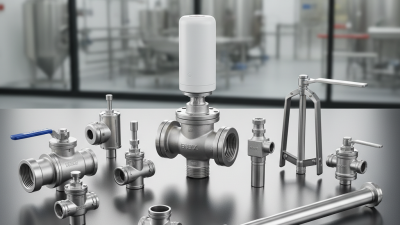
Sanitary valves control product flow while supporting cleaning, drainage, and hygienic operation. Butterfly valves use a rotating disc and are compact, lightweight choices for many transfer lines. They open quickly, but the disc remains in the product path. That matters. Ball valves offer a full-bore passage in suitable designs, though internal cavities and seal details need careful review for cleanability.
Diaphragm valves separate the product from the stem and actuator with a flexible membrane. This design is often useful in sterile or high-purity systems, but diaphragm material and replacement intervals matter. Single-seat valves direct or shut off one flow path. Mixproof, or double-seat, valves can separate two process streams, helping reduce cross-contamination risk during certain operations. Check valves help prevent reverse flow, but they should not be treated as maintenance isolation devices.
Control valves adjust flow rather than simply switching it on or off. Sampling valves allow small, controlled product samples to be taken, provided their design suits the process and cleaning routine. Selection depends on product viscosity, pressure, temperature, cleaning method, and required drainability. A common design mistake is choosing by valve type alone. Confirm wetted materials, seal compatibility, surface finish, and cleaning validation needs with qualified process and hygienic-design specialists. Even a well-chosen valve can underperform if installed in a pocket that holds product or cleaning fluid.
How to Compare the Best Sanitary Valves in 2026
What Are the Best Sanitary Valves in 2026?
How to Compare the Best Sanitary Valves in 2026
The best choice depends on the product, cleaning method, and operating conditions—not a feature list alone. Start with wetted materials and confirm they suit the fluid, temperature, and cleaning chemicals. Stainless steel is common, but grade and surface finish matter. Ask for material certificates and finish specifications; polished-looking metal is not proof of a suitable surface.
Check cleanability in the valve’s actual installation. A valve that drains well on paper may trap liquid when mounted sideways or connected to a poorly sloped line. Look for accessible product-contact areas, compatible seals, and clear cleaning guidance. Small details matter. Inspect the seat and stem design, too. If residue can collect behind a seal, routine cleaning may not remove it reliably.
Compare pressure and temperature ratings with real process data, including start-up and cleaning cycles. Then assess connection type, maintenance access, actuation, and documentation. Request drawings and test records, not just a brochure. A lower purchase price can mean more downtime if seals are difficult to replace. There is no perfect valve for every line. Even a careful comparison can miss an installation detail, so verify dimensions and drainage on site before ordering.
What Features Define a High-Quality Sanitary Valve?
A high-quality sanitary valve should make cleaning predictable, not merely look polished. Its wetted surfaces need a documented finish, smooth transitions, and minimal crevices where product can collect. Look closely at the seat, stem, and cavity: a small trapped pocket can be harder to clean than a large, visible surface. Drainability matters, too. The valve should empty in its installed orientation, without relying on guesswork or extra handling.
Material traceability and seal compatibility are equally important. Request material certificates and confirm that elastomers suit the product, temperature, and cleaning chemicals. EHEDG hygienic-design guidance emphasizes cleanability and avoiding contamination risks in food-processing equipment. These are practical checks, not decorative paperwork. Small details matter.
The scale of food-safety risk gives this design work context. The World Health Organization’s 2015 report, Estimates of the Global Burden of Foodborne Diseases, estimated that contaminated food causes about 600 million illnesses and 420,000 deaths each year. Those figures do not attribute risk to valves, but they underline why equipment hygiene deserves careful verification. Ask for cleaning and inspection instructions, plus clear maintenance intervals. A shiny finish alone is not enough—and it is easy to overvalue appearance. A valve that is difficult to disassemble or inspect may still be the weak point.
How to Choose the Right Sanitary Valve for Your Application
Choosing the right sanitary valve starts with the process, not the catalog.
A butterfly valve suits many low-pressure transfer lines, while a diaphragm valve offers stronger isolation for sensitive fluids. For viscous products, a full-port design can reduce shear and product retention. Check temperature, pressure, viscosity, flow rate, and cleaning chemicals before selecting materials.
Hygienic design deserves equal attention.
EHEDG guidance emphasizes drainability, cleanable surfaces, and minimized dead spaces. A practical target is an internal surface finish near Ra 0.8 micrometres, although the process may require a smoother finish. Confirm that seals tolerate both CIP chemicals and SIP temperatures. A valve that survives production but traps residue is not truly sanitary.
Industry data also supports careful specification.
Grand View Research forecasts continued growth in the global sanitary valves market through 2030, driven by stricter hygiene requirements in food, beverage, pharmaceutical, and bioprocessing facilities. That growth can encourage rushed purchasing. I have seen installations fail because operators ignored drain orientation or actuator access. Small details matter. Specify 3-A or EHEDG-aligned design where applicable, request material certificates, and verify cleanability through documented testing. The cheapest valve may become expensive after repeated seal replacement, extended cleaning cycles, or unexplained product loss. Some assumptions will still be wrong. Recheck them against real operating data.