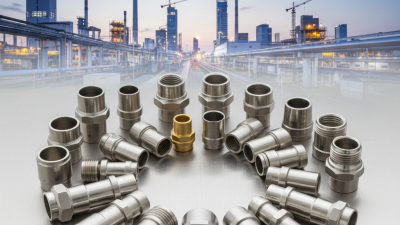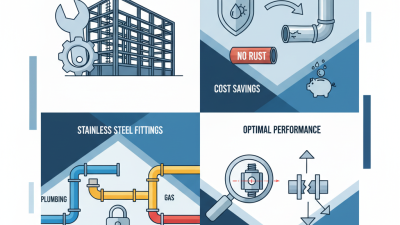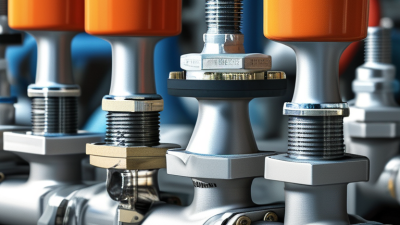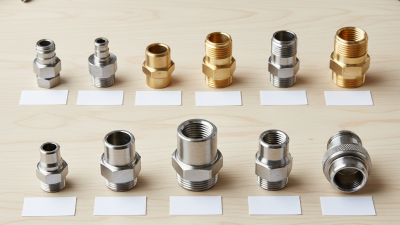
Choosing the right tubing fittings is a practical decision that affects safety, flow, maintenance, and equipment life. A fitting may look suitable on a workbench, yet fail under vibration, pressure changes, or chemical exposure. Experienced technicians usually inspect more than thread size. They also check tubing material, outside diameter, temperature range, pressure rating, and connection method. Small details matter.
This guide, “10 Tips for Choosing the Right Tubing Fittings,” explains how to evaluate these details with greater confidence. It considers common industrial, laboratory, medical, and fluid-handling applications, where reliability depends on accurate specifications. Stainless steel may suit corrosive environments, while polymers can offer useful chemical resistance and flexibility. However, neither option is automatically correct. The fluid, operating conditions, installation space, and maintenance schedule must guide the decision.
Avoid assumptions.
Manufacturers’ technical data should remain the main reference, especially for pressure limits and material compatibility. Independent standards and qualified engineering advice can also help confirm a selection. In real installations, over-tightening, poor tube preparation, and mismatched components create problems that product catalogs cannot always reveal. I have found that many fitting failures begin with rushed measurements rather than defective parts. That lesson deserves attention.
A reliable selection process also leaves room for review. Recheck dimensions. Consider future servicing. Confirm every connection before operation. With careful evaluation, the right tubing fittings can support stable performance, reduce leakage risks, and simplify long-term maintenance.
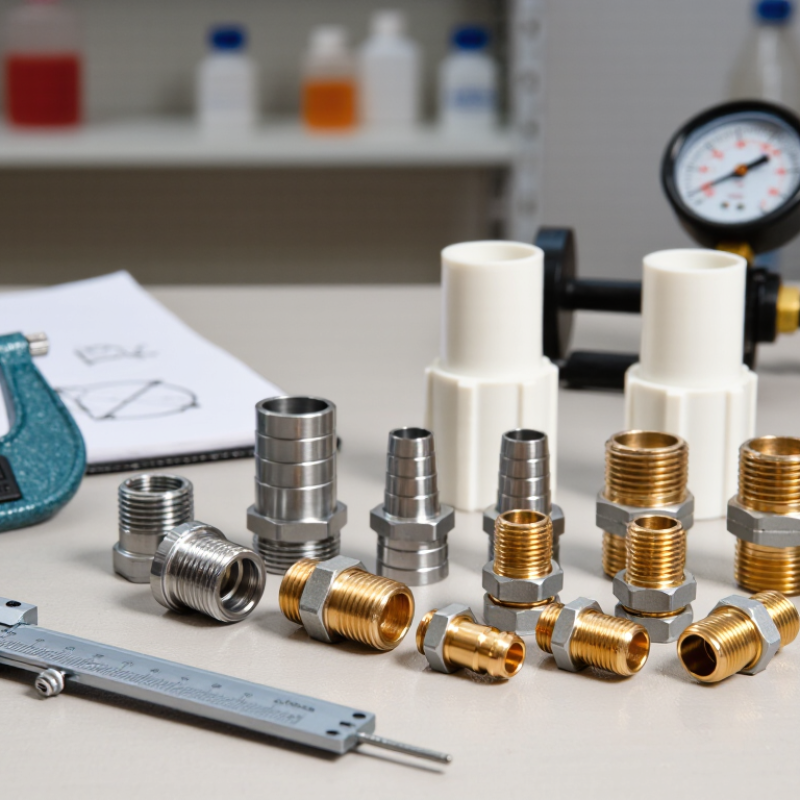
Choosing the right tubing fitting starts with a clear definition of the application. Identify the fluid, pressure, temperature, flow rate, and tubing material before comparing fitting designs. A fitting used for clean air may fail quickly with corrosive chemicals or abrasive particles. Small details matter.
Consider the real operating conditions, not only the normal readings. Pressure spikes can occur when a valve closes suddenly. Temperature may rise near an engine, furnace, or sterilization area. Vibration, repeated movement, and outdoor exposure can also loosen connections over time.
Tip: Record the highest and lowest expected values, then check the fitting’s rated limits with a suitable safety margin. Do not guess.
Fluid compatibility requires careful attention. Review how the fitting material reacts with the medium, including moisture, cleaning agents, and additives. Seals deserve equal consideration because they can swell, harden, or crack.
I once saw a connection pass an initial pressure test, then leak after several temperature cycles. The selection was not entirely wrong; the testing was incomplete. That experience reinforced the value of testing under realistic conditions.
Also examine installation space and maintenance needs. Tight corners may require an elbow, but unnecessary bends can restrict flow. If technicians must inspect the connection often, choose a design that supports clear access and repeatable assembly. Verify torque, tubing insertion depth, and leakage performance according to applicable technical requirements. A short trial with the actual tubing and fluid can reveal problems that a catalog cannot.
Material compatibility starts with the fluid, not the fitting shape. List its concentration, temperature, pressure, and cleaning chemicals. Then compare tubing and fitting materials under the same conditions. PTFE and PFA often resist aggressive chemicals, while nylon can absorb moisture and change dimension. Stainless steel offers strength, but chloride-rich fluids may still cause corrosion. Small details matter.
ASTM D543 evaluates plastics after chemical exposure by recording mass change, dimensional change, and visible damage. Use these measurements instead of relying only on a general compatibility chart. A practical check can expose sample tubing and fitting materials separately, then inspect swelling, softening, cracking, and discoloration. Measure the inner diameter afterward. A slight change can create leakage at the seal.
ASME B31.3 emphasizes design conditions, including pressure and temperature, while ISO 11114-1 addresses material compatibility with gases. These standards support a disciplined selection process, but they do not replace application testing. Check pressure ratings at the actual operating temperature. Also examine galvanic corrosion when dissimilar metals touch in wet service. I have seen teams match chemical resistance yet overlook connector stiffness. That mistake can produce a clean-looking assembly with poor pull-out resistance. Recheck the result after repeated heating, cooling, and cleaning cycles. Shortcuts remain tempting. They are rarely cheap.
10 Tips for Choosing the Right Tubing Fittings
Choosing tubing fittings starts with accurate size matching. Measure the tubing outside diameter, wall thickness, and actual material. A fitting can look suitable yet leak when its internal dimensions differ slightly. I learned this after a small mismatch caused repeated pressure loss during a bench test. Check the manufacturer’s dimensional chart, not just the package label.
Connection type matters just as much. Compression fittings suit many rigid tube installations, while threaded connections may work better with compatible ports and adapters. Consider sealing surfaces, installation space, vibration, and how often the line will be disconnected. Threads should match in size and form. They should also use a suitable sealing method. Do not force an almost-correct connection. It usually becomes an expensive mistake.
Pressure rating must match the complete operating condition, including temperature spikes and pressure surges. A fitting rated for ordinary service may fail under cycling conditions. Leave a practical safety margin, then verify the rating at the highest expected temperature. Confirm chemical compatibility with the tubing, fluid, and seal material. Inspect each fitting for scratches, damaged threads, or contamination before assembly. Torque matters, but excessive torque can deform tubing and create a hidden leak. My earlier installations relied too heavily on feel; calibrated tools produced more consistent results. When the application is critical, perform a controlled leak and pressure test before service.
| Tip | Selection Dimension | What to Check | Typical Options or Reference Data | Why It Matters |
|---|---|---|---|---|
| 1 | Match the tubing outside diameter | Confirm whether the tube is specified by outside diameter (OD) or nominal pipe size. | Common tube ODs include 1/8, 1/4, 3/8, 1/2, 3/4, and 1 inch. Tube OD and nominal pipe size are not interchangeable. | A fitting with the wrong size will not seal correctly and may damage the tube or connection. |
| 2 | Identify the connection type | Determine whether the mating connection is compression, flare, push-to-connect, barbed, threaded, or welded. | Compression fittings suit rigid tubing; push-to-connect fittings suit compatible tube materials; barbed fittings generally require a clamp. | Different connection systems use different sealing principles and cannot be mixed without the correct adapter. |
| 3 | Verify the pressure rating | Compare the fitting working-pressure rating with the system's maximum operating pressure. | Use the lowest-rated component as the practical system limit. Ratings may vary with size, temperature, tube material, and connection type. | Exceeding the working-pressure rating can cause leakage, tube pullout, or sudden component failure. |
| 4 | Check temperature limits | Review the fitting's minimum and maximum operating temperatures, including short-term exposure. | Plastic and elastomeric components often have narrower temperature ranges than metal fittings. Pressure ratings commonly decrease as temperature rises. | Temperature can reduce material strength, harden seals, soften tubing, or accelerate chemical degradation. |
| 5 | Confirm tubing wall thickness | Check the tube wall thickness or hardness required by the fitting design. | Compression and bite-type fittings may require specific wall thickness ranges; thin-wall tubing may need an internal support insert. | Wall thickness affects grip, sealing, resistance to collapse, and pressure capability. |
| 6 | Select compatible materials | Match the fitting, tube, seal, and fluid-contact materials to the application. | Common fitting materials include stainless steel, brass, aluminum, and engineering plastics. Seal materials must be selected for the fluid and temperature. | Material incompatibility can lead to corrosion, swelling, cracking, contamination, or loss of sealing performance. |
| 7 | Match the thread standard | Identify thread form, diameter, pitch, and gender before selecting a threaded fitting. | Common standards include NPT, BSPP, BSPT, and metric threads. NPT and BSP threads generally require different mating components. | Similar-looking threads may not seal or engage correctly, creating leakage and thread damage. |
| 8 | Consider flow requirements | Evaluate internal bore, port size, fitting geometry, and the required flow rate. | An undersized or highly restrictive fitting increases pressure drop. Elbows and narrow passages generally create more resistance than straight-through fittings. | Correct sizing helps maintain system pressure, actuator speed, cooling capacity, or process throughput. |
| 9 | Allow for installation space | Check fitting dimensions, bend radius, tool clearance, and access for tightening or inspection. | Use elbows, tees, bulkhead fittings, or compact configurations where routing space is limited, while avoiding excessive tube bending. | Good layout reduces mechanical strain, vibration, kinking, maintenance difficulty, and accidental side loading. |
| 10 | Review standards and installation requirements | Confirm applicable safety, sanitation, electrical, hydraulic, pneumatic, or industry requirements. | Follow the fitting manufacturer's torque, tube-preparation, assembly, inspection, and reuse instructions. Use certified components where regulations require them. | Correct installation is essential because pressure ratings depend on proper assembly and operating conditions. |
Selection reminder: Always verify the current technical data sheet for the exact fitting size, tube material, temperature, fluid, pressure, and connection configuration. The published rating of a fitting should not be treated as a universal rating for the complete tubing assembly.
10 Tips for Choosing the Right Tubing Fittings?
Evaluate Sealing Methods, Installation, and Maintenance Needs
Choosing tubing fittings is less about appearance than controlling leaks, movement, and service access. Start by matching the fitting material to the fluid, pressure, temperature, and tubing hardness. Then examine the sealing method. An elastomer seal can install quickly, but heat, chemicals, or repeated movement may shorten its life. Metal-to-metal seals tolerate demanding conditions, yet they need clean surfaces and careful tightening. Do not treat a fitting catalog as a field test.
During installation, keep tubing ends square and free from burrs. Even a small scratch can create a leak path. Use the specified insertion depth and tightening procedure, rather than relying on hand feel. Hand feel is inconsistent. Marking the nut can help technicians identify movement during inspection. Support long runs so vibration does not load the connection. I once assumed a tight connection was a reliable connection. It was not. The tube had shifted under vibration, and the seal slowly weakened.
Maintenance needs should influence the choice before installation begins. Connections in dusty or wet areas may require frequent visual checks and easier access. Record leak observations, replacement dates, and torque findings in a simple service log. That record builds useful evidence. Replace damaged seals instead of compensating with extra force. Over-tightening can deform parts and make future removal difficult. For critical lines, pressure testing should follow the applicable site procedure and equipment limits. A fitting that saves minutes during assembly may cost hours during maintenance.
Choosing tubing fittings is a technical decision, not a quick catalog selection. Start by recording pressure, temperature, fluid type, tube size, vibration, and installation space. Then verify material compatibility, wall thickness, connection geometry, pressure rating, and temperature limits. A fitting may look precise but still fail under cycling conditions. Check applicable standards, such as ASME B31.3, ASTM material specifications, and the manufacturer’s documented test methods. Request traceability records, dimensional drawings, and pressure-test evidence. Unverified certificates should trigger questions.
Availability affects reliability. Ask whether the exact fitting, seals, and replacement tools are stocked locally. The U.S. Department of Energy’s compressed-air guidance estimates that leaks can waste 20–30% of compressor output. Therefore, inspect sealing surfaces carefully and plan leak testing after assembly. Keep a small, controlled spare inventory, but avoid buying incompatible substitutes during emergencies. ISO 9001 certification can support process consistency, although certification alone does not prove fitting performance.
Calculate total cost beyond the purchase price. Include installation labor, cleaning, inspection, energy loss, replacement intervals, downtime, and disposal. A cheaper fitting can become expensive after repeated retightening or early seal failure. I once focused too heavily on unit price; that was a poor assumption. Field access mattered more. Use a documented comparison sheet, obtain at least two qualified quotations, and confirm lead times in writing. Then test a sample assembly under realistic pressure and temperature. Small details matter. Even experienced teams miss them.
Recommended sourcing priorities for verifying quality, standards, availability, and total cost.
The chart presents a practical 100-point evaluation framework. Product quality and compliance receive the highest priority, while availability and lifecycle cost help reduce procurement delays, installation issues, and long-term operating expenses.
By continuing to browse or by clicking “Accept All Cookies,” you agree to the storing of first- and third-party cookies on your device to enhance site navigation, analyze site usage, and assist in our marketing efforts. View our Privacy and Cookie Policy.