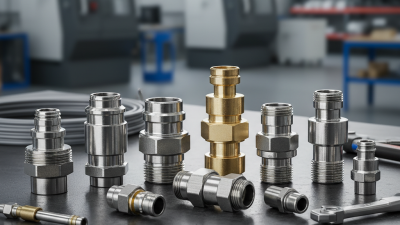
Choosing the right tubing fittings starts with understanding the entire fluid system, not just the connection size. A fitting may look suitable on the shelf. It can still fail under pressure, heat, vibration, or chemical exposure. In practical installations, small details matter. Thread type, tube diameter, wall thickness, and sealing method must match precisely. Even a one-millimeter mismatch can cause leakage or premature wear.
Reliable selection depends on verified technical information. Check pressure and temperature ratings in the manufacturer’s current documentation. Confirm compatibility with the transported gas, liquid, or cleaning solution. Stainless steel may suit corrosive environments, while brass can perform well in less aggressive applications. Plastic options may reduce weight, but they require careful review of temperature limits. Do not rely on appearance alone. That shortcut often creates expensive problems.
Installation experience also shapes the final decision. A clean tube cut, correct insertion depth, and controlled tightening improve system reliability. Inspect the connection after assembly, then test it under safe operating conditions. Keep records of the fitting material, size, batch, and application. This supports maintenance and future replacement. No selection method is flawless. I have seen projects focus heavily on price and overlook access for later servicing. That mistake is easy to repeat. The best tubing fittings balance performance, compatibility, installation space, maintenance needs, and total operating cost. When uncertain, consult a qualified engineer or the manufacturer’s technical team. A careful question today may prevent a shutdown tomorrow.
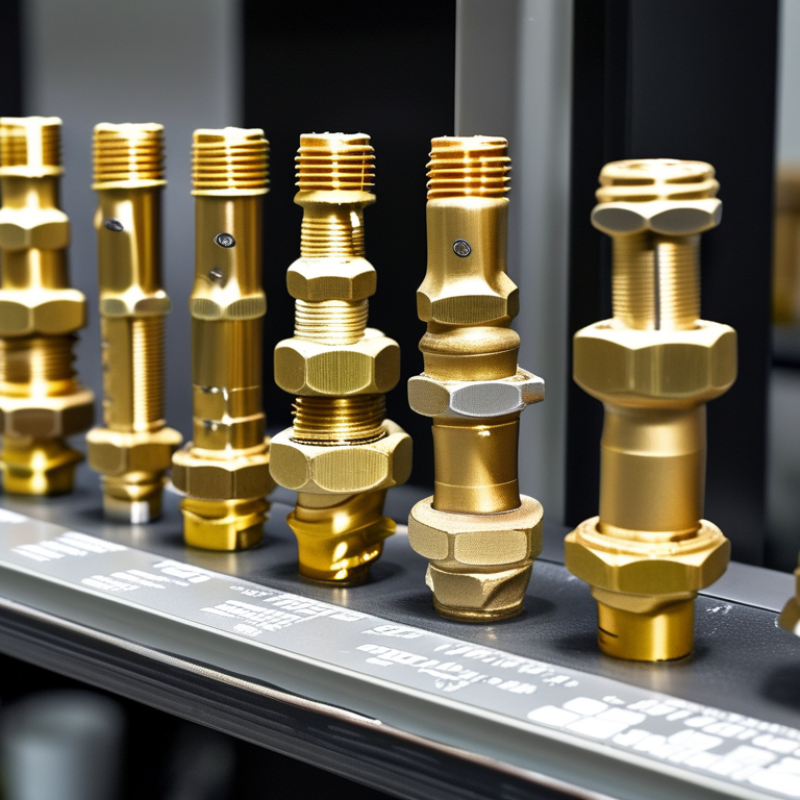
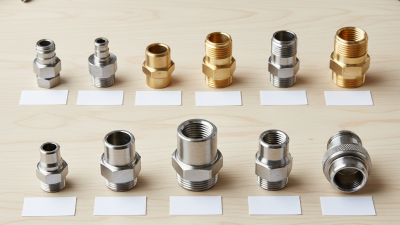
Tubing fittings connect, redirect, isolate, or control fluid lines. Their type determines installation speed, pressure stability, and maintenance effort. Compression fittings use ferrules to seal rigid tubing. They suit instrumentation, gas, and hydraulic lines. Push-to-connect fittings simplify pneumatic installation. They work well where technicians need frequent changes. Flare fittings resist vibration and suit high-pressure fuel or hydraulic service. Threaded fittings remain practical for robust industrial connections, while sanitary clamp fittings support cleanable food, beverage, and pharmaceutical systems.
Material selection matters as much as fitting design. Stainless steel handles corrosion and temperature better than many plastics. Polyamide tubing reduces weight and supports low-pressure air systems. Check chemical compatibility, temperature range, working pressure, and tube hardness. A fitting rated for 1,000 psi may still fail when heat reduces its safe rating. That detail is often missed.
Leak control deserves attention. The U.S. Department of Energy’s Improving Compressed Air System Performance guide reports that leaks can waste 20% to 30% of compressor output. A poorly matched fitting can create this loss through a barely visible hiss. Use calibrated torque tools, clean tube cuts, and proper insertion depth. ISO 4414 also stresses safe pneumatic design and controlled energy release. Field inspections often reveal another problem: installers choose familiar fittings instead of suitable ones. That habit is convenient, but not always defensible. A pressure test may expose the mistake before operation does.
Define the fitting type first, then match its sealing method, pressure requirements, tubing material, temperature range, and application environment.
Chart basis: The values show the number of representative applications commonly associated with each fitting type. They are intended as a selection guide, not as pressure, temperature, or performance ratings.
| Fitting Type | How It Seals | Typical Applications |
|---|---|---|
| Compression Fittings | A ferrule grips the tube and forms a mechanical seal. | Instrumentation, process lines, hydraulic systems, and laboratory equipment. |
| Push-to-Connect Fittings | An internal collet grips the tube while an O-ring provides sealing. | Pneumatic automation, air lines, water circuits, and quick maintenance connections. |
| Flare Fittings | The flared tube end seals against a matching cone. | Refrigeration, air-conditioning, fuel, and selected hydraulic applications. |
| Barbed Fittings | Barbs hold flexible tubing, usually secured with a clamp. | Low-pressure air, water transfer, drainage, and general fluid handling. |
| Sanitary Clamp Fittings | A gasket is compressed between hygienic ferrules joined by a clamp. | Food processing, beverage production, pharmaceutical systems, and clean-in-place lines. |
Choosing the right tubing fitting starts with compatibility, not size. A fitting can connect perfectly and still damage the system. Check the tubing material, fluid chemistry, operating temperature, and pressure together. Water, solvents, acids, oils, and gases can affect materials differently.
For flexible tubing, match the fitting material to the tube’s hardness and resistance. Stainless steel fittings suit many high-pressure and temperature applications. Polypropylene fittings often work well with aggressive chemicals and lightweight tubing.
PTFE tubing usually needs fittings that tolerate low friction and limited compression. Softer tubing may require a barb, clamp, or sleeve to prevent pullout. Do not trust appearance alone.
I have seen leaks caused by incompatible seals, not poor installation. A fluid may attack rubber, swell it, or make it brittle over time. Select seal materials carefully, especially around heat and cleaning chemicals. Compatibility charts help, but they are not perfect. Concentration, exposure time, pressure cycling, and fluid temperature can change the result.
Test a small assembly when the application is critical. Check for swelling, discoloration, cracking, and pressure loss. This step is easy to skip. This is a mistake.
Also inspect thread standards and sealing methods before assembly. Avoid forcing mismatched threads. Use only a sealant confirmed for the fluid and fitting material. Record the selected materials, test conditions, and inspection results. Clear records make future maintenance safer and more reliable.
Choosing tubing fittings begins with accurate sizing. Measure the tube’s outside diameter, wall thickness, and actual fluid path. Do not rely on appearance. A fitting can look compatible yet leak under vibration or heat. The internal diameter also matters because a narrow passage increases pressure loss.
The U.S. Department of Energy reports that compressed-air leaks can waste 20–30% of compressor output. Poorly matched fittings can worsen that loss.
Connection type should match the tubing material and service conditions. Compression fittings suit many rigid tubes and allow practical maintenance. Push-to-connect fittings save installation time, but they need clean, fully inserted tubing. Threaded connections require compatible thread forms, such as NPT or metric threads.
Mixing thread standards is a common mistake. It may feel tight while remaining unsafe.
Pressure rating must exceed the system’s maximum working pressure, including surges. Check the fitting rating at the actual operating temperature, not only at room temperature. Chemical exposure can reduce material strength too.
ASME B31.3 emphasizes evaluating pressure, temperature, materials, and joining methods together in process piping design.
I still measure twice before cutting. That habit is not glamorous. However, field conditions often reveal assumptions that drawings miss.
Keep the selection record, including size, material, temperature, pressure, and connection type. That small record improves inspection and future replacement.
Temperature, flow, and surroundings determine whether tubing fittings remain reliable. Start with the highest operating temperature, not the room average. Heat can soften polymers, reduce pressure ratings, and accelerate seal aging. The U.S. Department of Energy reports that compressed-air leaks can waste 20–30% of compressor output in poorly maintained systems. A small fitting mismatch can therefore become a measurable energy loss.
Flow needs equal attention. Check the required flow rate, pressure drop, tubing inside diameter, and fitting geometry together. A narrow passage may create turbulence and starve a downstream actuator. In liquid service, trapped air pockets can cause unstable readings or sudden movement. Environmental exposure matters too. Moisture, salt, vibration, ultraviolet light, cleaning chemicals, and dust can attack materials differently. ISO 4414 provides safety guidance for pneumatic systems, but it cannot replace application testing. Standards guide selection; real conditions decide performance.
Tips: Record temperature peaks, pressure, fluid type, and flow before ordering. Compare the fitting’s rated limits with a practical safety margin. Inspect one installed connection after several operating cycles. This is often more revealing than a catalogue table. I have seen clean calculations fail when vibration was ignored. A fitting that fits perfectly on paper may still loosen beside a vibrating pump. Recheck the choice after seasonal temperature changes or process upgrades.
| Selection Factor | Typical Condition | Recommended Fitting Approach | Suitable Material Options | Key Design Considerations | Practical Guidance |
|---|---|---|---|---|---|
| Low to moderate temperature | Approximately 0–60 °C; clean air, water, or general-purpose fluids | Compression fittings or push-to-connect fittings where vibration and maintenance requirements are moderate | Acetal, polypropylene, brass, or stainless steel, selected for fluid compatibility | Confirm tubing hardness, outside diameter tolerance, and the fitting’s pressure rating at operating temperature | A general-purpose choice for instrumentation, laboratory utilities, and non-aggressive service |
| Elevated temperature | Approximately 60–150 °C | Compression, flare, or face-seal fittings with temperature-rated seals | Stainless steel or nickel-based alloys for the fitting body; PTFE, FKM, or other compatible sealing materials as required | Seal temperature limits often control the assembly rating, even when the metal body can withstand higher temperatures | Use the fitting, tubing, and seal temperature ratings as a complete system rather than rating each part separately |
| Very low temperature or cryogenic service | Below 0 °C, including refrigerated or cryogenic applications | Metal fittings with seals specifically qualified for low-temperature service; avoid seals that become brittle | Stainless steel is commonly used; PTFE may be suitable for many low-temperature chemical services | Account for thermal contraction, seal shrinkage, embrittlement, and loss of flexibility in polymer tubing | Verify performance at the minimum operating temperature and during repeated thermal cycling |
| High-flow application | Large gas or liquid volume, long tubing runs, or low allowable pressure drop | Full-bore or high-flow fittings with larger internal passages and gradual flow transitions | Material should be chosen from the fluid, pressure, and temperature requirements; stainless steel is common for demanding service | Flow capacity depends on tubing inside diameter, fitting bore, length, bends, viscosity, and pressure differential | Do not select by tubing outside diameter alone; compare the fitting’s effective flow area and pressure-drop data |
| Low-flow or precision metering | Small flow rates, analytical sampling, calibration, or sensitive instrumentation | Low-dead-volume compression or face-seal fittings with a controlled internal passage | Stainless steel, PTFE, PFA, or other chemically inert materials appropriate to the sample | Minimize internal volume, stagnant zones, particle traps, and unnecessary tubing length | Use fittings designed to reduce hold-up volume when response time, sample integrity, or contamination control matters |
| Corrosive chemicals | Acids, alkalis, solvents, oxidizers, or aggressive process fluids | Fittings with chemically compatible wetted surfaces and seals; avoid dissimilar-material combinations that may accelerate corrosion | PTFE, PFA, PVDF, polypropylene, or corrosion-resistant stainless steel, depending on the chemical and temperature | Compatibility varies with concentration, temperature, exposure time, stress, and the presence of mixed chemicals | Check a chemical-compatibility chart and validate the complete wetted assembly before installation |
| Outdoor, humid, or salt-laden environment | Rain, condensation, coastal air, washdown, or high humidity | Sealed fittings with corrosion-resistant external surfaces and suitable environmental protection | Stainless steel, engineered polymers, or coated materials proven suitable for the exposure | Consider galvanic corrosion between unlike metals, water ingress, UV exposure, and drainage around connections | Use protective routing, strain relief, and compatible metals; inspect connections periodically for corrosion or seal damage |
| Vibration or frequent movement | Pumps, mobile equipment, machinery, or repeated flexing near the connection | Compression or mechanically retained fittings with strain relief; use flexible tubing only within its bend-radius limit | Metal fittings are often preferred for mechanical strength; the tubing and seal must remain compatible with motion and vibration | Prevent side loading, support the tubing, and avoid bending directly at the fitting body | After installation, perform a leak test under normal vibration and operating temperature conditions |
| High-pressure service | Pressure near the tubing or equipment design limit | Fittings specifically rated for the tubing material, wall thickness, temperature, and pressure class | Metal compression, flare, or cone-and-thread styles are commonly considered for demanding pressure service | Pressure ratings may decrease as temperature rises and may differ between static, cyclic, and impulse service | Use the lowest rating among the tubing, fitting, valve, seal, and connection method; never exceed the system design pressure |
| Clean, hygienic, or contamination-sensitive service | High-purity water, gases, laboratory fluids, food contact, or sanitary processes | Low-crevice, cleanable fittings with smooth wetted surfaces and seals approved for the application | Electropolished stainless steel, PTFE, PFA, or other qualified low-extractable materials | Surface finish, dead volume, cleanability, extractables, and sterilization compatibility may be critical | Specify cleanliness, surface-finish, and sanitation requirements before selecting the connection type |
| Important: The temperature ranges and material examples are general engineering guidance, not universal ratings. Final selection must be verified against the tubing and fitting manufacturer’s pressure-temperature curves, seal compatibility data, applicable safety requirements, and the actual fluid, flow rate, installation method, and operating environment. | |||||
Choosing tubing fittings is not only about size and material. Installation details often decide whether a connection remains safe. Confirm the tube’s outside diameter, wall thickness, temperature range, and pressure rating. The fitting must match the tubing material and the fluid inside it. Cut the tube squarely, remove burrs, and clean away metal dust. Push the tube to the required insertion depth. Small gaps can cause serious leaks.
Sealing depends on the fitting design. Compression fittings usually need clean contact surfaces, correct alignment, and controlled tightening. Do not add thread sealant where the design does not require it. For tapered threads, use a compatible sealant sparingly and keep it away from the tube opening. I once assumed extra tightening meant better sealing. It damaged the connection instead. Follow the maker’s torque guidance, then test the assembly at low pressure before applying full pressure.
Safety checks should include isolation, pressure release, protective eyewear, and a clear work area. Never tighten a fitting on a live, pressurized line. During maintenance, inspect for moisture, corrosion, vibration marks, flattened tubing, or unusual discoloration. Record inspection dates and observed pressure conditions. Replacing one worn fitting may not solve the problem if movement or heat caused the failure. That possibility deserves another look. A simple leak-detection solution can reveal slow seepage that is invisible during a quick visual check.
By continuing to browse or by clicking “Accept All Cookies,” you agree to the storing of first- and third-party cookies on your device to enhance site navigation, analyze site usage, and assist in our marketing efforts. View our Privacy and Cookie Policy.