Why Are Sanitary Valves and Fittings Essential for Businesses?
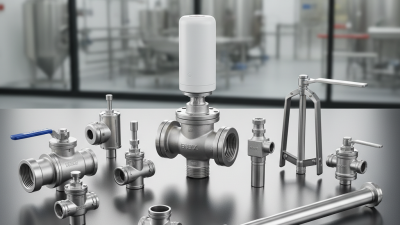
Sanitary valves and fittings play a crucial role in various industries, especially in food and beverage, pharmaceuticals, and biotechnology. These components ensure the integrity and safety of processes involving sensitive materials. When businesses prioritize sanitary valves and fittings, they enhance product quality and protect consumer health.
Improper use of sanitary valves and fittings can lead to severe consequences. Contamination, inefficient operations, and potential safety hazards may arise if the right equipment is not utilized. This emphasizes the importance of selecting high-quality materials and reputable suppliers. Yet, many organizations still overlook this vital aspect of their operations, resulting in costly mistakes.
Investing in top-tier sanitary valves and fittings is essential for maintaining industry standards. Proper selection and maintenance can improve overall efficiency and reduce waste. Though some companies may believe cutting costs is wise, they risk jeopardizing their reputation and the health of their consumers. Ultimately, understanding the significance of sanitary valves and fittings is a step towards building a more reliable and responsible business.
The Importance of Sanitary Valves in Industrial Applications
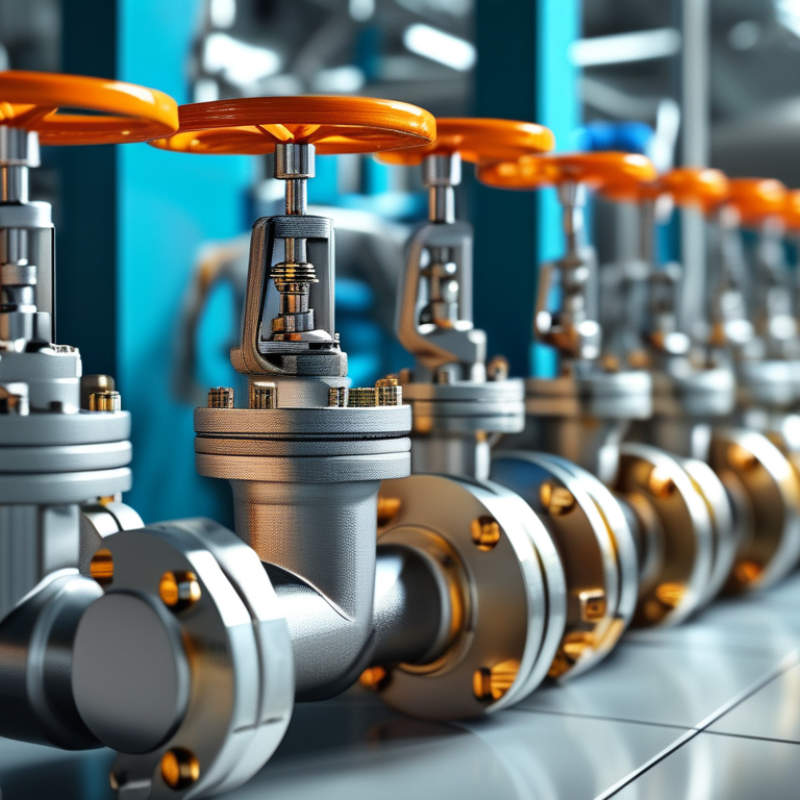
Sanitary valves play a crucial role in various industrial applications, particularly in food and beverage, pharmaceuticals, and biotechnology. These sectors require strict adherence to hygiene standards. According to a report from the International Society for Pharmaceutical Engineering, improper valve selection can lead to contamination, affecting product quality and safety.
The demand for sanitary valves is increasing. In 2020, the global market was valued at approximately $3 billion, with projections to grow significantly by 2025. This growth reveals the increasing awareness of hygiene and safety in productions. However, many industries still overlook proper maintenance and the choice of materials, which can compromise the effectiveness of sanitary systems.
Manufacturers must prioritize high-quality materials, like stainless steel, resistant to corrosion and contaminants. Regular inspections and audits are often neglected, making it challenging to ensure compliance with hygiene standards. Industries need to balance cost with safety, suggesting potential improvements in operational practices. This ongoing challenge highlights the need for increased awareness and proper training for personnel involved in these operations.
Key Functions of Sanitary Fittings in Maintaining Hygiene
Sanitary fittings play a vital role in industries like food processing and pharmaceuticals. Their design focuses on preventing contamination. These fittings ensure hygiene by minimizing the risk of bacteria growth. They are easy to clean, which is essential for maintaining strict sanitary standards. Every connection must be secure and leak-proof to avoid potential hazards.
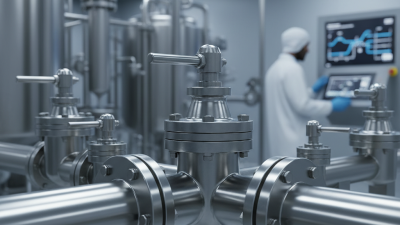
Properly installed sanitary valves help control the flow of liquids without compromising hygiene. They often feature smooth surfaces that resist buildup. Regular maintenance is key to their effectiveness. Neglecting these components can lead to serious contamination issues. It's crucial to train staff on best practices for using and cleaning these fittings.
Despite their importance, some businesses overlook their role in overall hygiene. This can stem from lack of knowledge or budget constraints. Investing in quality sanitary fittings should be a priority. Regular audits can help identify gaps in sanitation practices. Businesses must stay vigilant to ensure compliance and protect their products.
Why Are Sanitary Valves and Fittings Essential for Businesses? - Key Functions of Sanitary Fittings in Maintaining Hygiene
| Function |
Description |
Importance |
Industry Applications |
| Hygiene Maintenance |
Ensures the prevention of contamination in processes involving food or pharmaceuticals. |
Critical for food safety and regulatory compliance. |
Food processing, pharmaceuticals, biotechnology. |
| Fluid Control |
Regulates the flow of liquids or gases during production processes. |
Essential for maintaining consistent production standards. |
Beverage, dairy, chemical production. |
| Easy Cleaning |
Fittings are designed for quick sanitization and minimal residue retention. |
Increases operational efficiency and reduces downtime. |
Food and beverage, pharmaceutical manufacturing. |
| Durability |
Manufactured from robust materials that withstand harsh cleaning agents. |
Reduces long-term costs and maintenance frequency. |
Chemical processing, oil and gas. |
| Regulatory Compliance |
Fittings meet industry standards and regulations for hygiene. |
Essential for avoiding legal issues and maintaining market position. |
All industries involving food and pharmaceuticals. |
Compliance Standards for Sanitary Valves and Fittings in Various Industries
Sanitary valves and fittings play a crucial role in many industries. Compliance with specific standards ensures product safety and quality. In the food and beverage sector, for instance, regulations mandate the use of sanitary fittings to prevent contamination. Businesses must maintain rigorous hygiene during production. Any failure here can lead to severe consequences, including customer health issues and financial penalties.
In pharmaceutical production, the stakes are even higher. Equipment must meet strict compliance guidelines. This ensures that no harmful substances contaminate medicines. Each valve and fitting must be tested for durability and effectiveness. Even minor flaws can lead to significant data discrepancies or product recalls. Regular inspections and adherence to standards are essential in this context.
Industries that overlook these compliance norms risk serious issues. Beyond legal ramifications, a damaged reputation can hinder future business. Consumers increasingly prioritize safety and quality. Moreover, regulatory bodies are becoming more stringent. Businesses should continuously evaluate their compliance processes. This will foster a culture of safety and accountability within their operations.
How to Choose the Right Sanitary Valves and Fittings for Your Business
Selecting the right sanitary valves and fittings is crucial for any business involving food and beverage, pharmaceuticals, or biotechnology. According to a recent industry report, 70% of foodborne illnesses are linked to improper sanitation practices. This highlights the importance of using high-quality sanitary fittings. The ability of these components to resist contamination ensures product safety and compliance with industry standards.
When choosing sanitary valves, consider materials and certifications. Valves made of stainless steel, for instance, can withstand high pressures and resist corrosion. Look for certifications such as the FDA and 3-A Sanitary Standards. Compatibility with your system is vital. A poorly chosen fitting can lead to leaks or contamination. Remember, not all valves and fittings are created equal. Regular inspections and maintenance are necessary to ensure optimal performance.
In some cases, businesses overlook the specifications. Choosing based on price alone can lead to higher long-term costs. A cheaper fitting may need frequent replacements or repairs, impacting productivity. Engage with engineers or sanitation experts to assess your needs. Their expertise can guide you in investing wisely in these essential components.
Benefits of Regular Maintenance for Sanitary Valves and Fittings
Sanitary valves and fittings are crucial for maintaining hygiene standards in various industries, especially food and pharmaceuticals. Regular maintenance of these components ensures machinery operates optimally and meets health regulations. Studies reveal that neglecting maintenance can lead to costly downtime and potential health hazards.
One essential aspect of maintaining sanitary valves is the cleanliness of the fittings. A report by the International Society for Pharmaceutical Engineering found that 70% of contamination issues stemmed from poorly maintained equipment. Regular inspections can identify wear and tear early, preventing larger issues later on.
Tip: Schedule routine maintenance checks every six months.
Regular maintenance also prolongs the lifespan of the valves and fittings. According to industry studies, well-maintained components can last 20% longer than neglected ones. This longevity translates to significant cost savings over time. Addressing minor issues promptly helps avoid major breakdowns, which can disrupt business operations and harm your reputation.
Tip: Keep detailed logs of all maintenance activities to track performance and identify recurring issues.