Best Wholesale Lotion Bottles for Your Business Needs?
When it comes to running a successful business in the beauty industry, packaging plays a crucial role. Wholesale Lotion Bottles can significantly impact how your products are perceived. The right bottle not only serves a practical purpose but also enhances your brand image. Beautifully designed lotion bottles attract customers and encourage purchases.
Choosing from the best wholesale lotion bottles is essential for various reasons. They come in different sizes, shapes, and materials. You can select the perfect match for your lotion formulations. Additionally, affordable wholesale options provide you room for profit margins. Reliable suppliers ensure quality and consistency in your inventory.
However, it’s crucial to consider that not all bottles suit every product. Some materials may react with ingredients, affecting quality. This demand for careful selection requires thoughtful evaluation. Focusing on your brand’s identity and target market can guide your choices. A misstep in packaging could lead to customer dissatisfaction, impacting sales negatively. Prioritizing quality in wholesale lotion bottles is not just an option; it is a necessity.
Factors to Consider When Choosing Wholesale Lotion Bottles
When selecting wholesale lotion bottles for your business, consider essential factors that can impact your product quality and branding. A report from Grand View Research indicates that the global cosmetic packaging market is expected to reach $45 billion by 2025. This highlights the importance of choosing the right packaging to stand out.
Material is crucial. Plastic bottles are lightweight and cost-effective but may not provide the same premium feel as glass. According to the Packaging Association, consumers often associate glass with higher quality. Therefore, your choice of material could affect customer perception. Additionally, look at bottle sizes. Offering a variety of sizes can cater to different customer preferences and increase sales opportunities. Studies show that 70% of consumers appreciate convenient packaging options.
Design also plays a vital role. An appealing design can enhance shelf presence. Over 80% of consumers admit that they are influenced by packaging design in their purchase decisions. However, be cautious about trends. What is popular today may not be relevant tomorrow. Regularly reassess your choices to ensure they align with market demands and consumer expectations. It’s a delicate balance between staying ahead and not getting trapped in fleeting trends.
Types of Material for Lotion Bottles: Pros and Cons
When choosing lotion bottles, material plays a vital role. There are several types of materials available, each with its own benefits and drawbacks. Plastic bottles are popular. They are lightweight and cost-effective. However, they may lack the premium feel many brands want. Recyclability is a plus, but their environmental impact can raise concerns.
Glass lotion bottles offer a more upscale appeal. They are durable and can preserve product integrity well. Nonetheless, they are heavier and more fragile than plastic options. Shipping costs may also be higher. Brands must weigh aesthetics against practicality. Metal bottles are another choice, providing a unique look. Yet, they can be prone to dents and require special linings to ensure product safety.
Choosing the right material often involves trade-offs. While plastic is economical, it may not align with a brand focused on sustainability. Glass bottles exude luxury, yet their weight can be a drawback for high-volume shipping. Brands should assess their target audience and product type carefully. Finding the perfect balance between cost, functionality, and appearance can be challenging but rewarding.
Sizes and Shapes of Lotion Bottles for Different Products
When selecting lotion bottles for your business, size and shape play pivotal roles. A report from the Packaging Association suggests that over 45% of consumers choose products based on packaging design. For lightweight lotions, 8-ounce bottles are popular, offering convenience for both retail and travel. They fit easily in handbags and offer a manageable volume for daily use.
For businesses targeting higher-end products, pump bottles and airless containers are gaining traction. According to a recent study, airless technology can extend product shelf life by up to 30%. This appeals to consumers seeking quality. Additionally, unique shapes like square and oval bottles can stand out on shelves. With over 60% of shoppers mentioning aesthetics as a part of their buying decision, innovative designs are essential.
However, not all sizes and shapes work for every product. For example, thicker lotions may require wider openings for dispensing. A recent industry analysis indicated a need for better alignment between product consistency and bottle design. Revisiting product-bottle compatibility can lead to enhanced user experiences. Always consider how each choice reflects your brand's identity and efficacy.
Customization Options for Wholesale Lotion Bottles
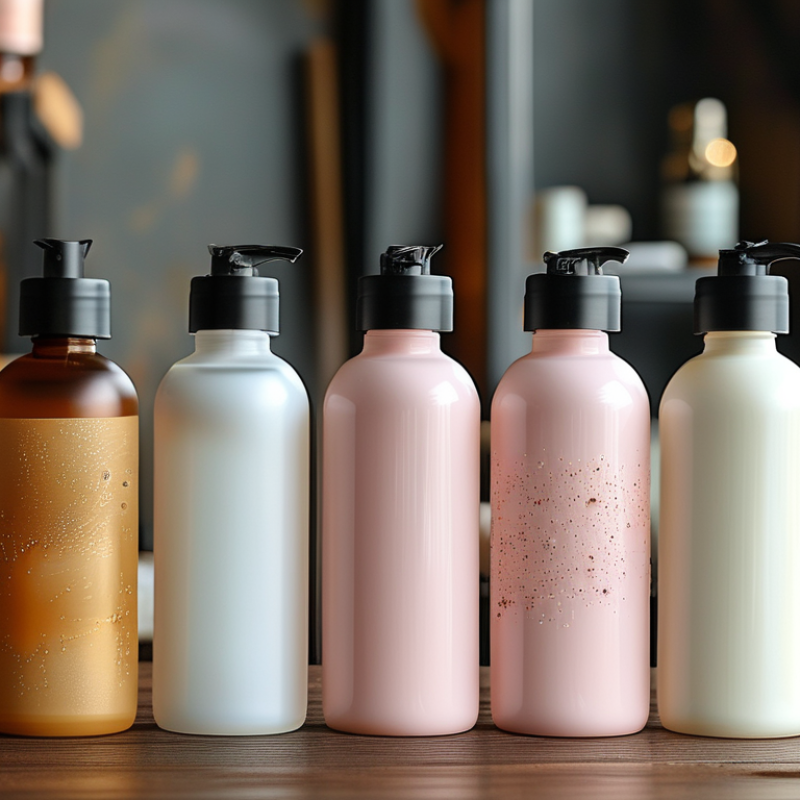
Customization is crucial when selecting wholesale lotion bottles for your business. Tailoring bottle sizes and shapes to match your brand identity can enhance customer appeal. Consider offering various options, such as pump tops, flip caps, or squeeze bottles. These choices can improve usability and help differentiate your product in a crowded market.
When thinking about customization, colors and designs play an essential role. Bright, eye-catching colors can attract more attention on retail shelves. Additionally, custom labeling allows you to convey your brand story effectively. Incorporating eco-friendly materials can also resonate with environmentally conscious consumers.
Tips: Always request samples before making bulk orders. It helps ensure quality and compatibility with your lotion formulation. Adapting designs based on customer feedback can lead to better satisfaction. Lastly, don’t hesitate to revisit your designs periodically. Continuous improvement can keep your product lineup fresh and relevant.
Best Wholesale Lotion Bottles for Your Business Needs
Where to Find Reliable Suppliers for Lotion Bottles
Finding reliable suppliers for lotion bottles is crucial for your business success. Start by researching online directories. Websites like Alibaba or TradeKey offer a wide range of suppliers. Read reviews carefully. Check their ratings to gauge their reliability and quality. Direct communication is key. Reach out and inquire about their products.
Consider attending trade shows. These events provide opportunities to meet suppliers face to face. You can assess their offerings and negotiate deals on the spot. Building relationships can lead to better terms and quality assurance.
Here are a few tips: ensure that the supplier meets your quality standards. Request samples before placing bulk orders. Don't rush into contracts. Trust your instincts. If something feels off, it’s okay to seek other options. Always have a backup supplier in mind. Staying flexible can save you from unexpected issues down the line.