Choosing a Water Drilling Rig is not simply a matter of comparing prices or advertised drilling depth. The right equipment depends on ground conditions, well dimensions, available power, transport access, and the work schedule. China has manufacturers offering different rig designs and support options, but product quality and service coverage can vary. Look closely.
This guide introduces ten Chinese manufacturers and considers practical points buyers can verify: drilling methods, rated capacity, key component specifications, customization, spare-parts availability, and after-sales support. These details help readers compare suppliers beyond polished brochures. A rig intended for soft soil may not suit fractured rock, while a compact unit can be easier to move on a narrow site. Ask for current technical documents, clear warranty terms, and references for comparable projects. Confirm that the quoted configuration matches the actual operating conditions.
No ranking can replace a site assessment or a conversation with a qualified drilling professional. That is a real limitation. Manufacturer information may also change, so treat each profile as a starting point rather than a final endorsement. A careful comparison can reduce costly surprises, though it cannot remove every risk. The best choice is the one whose documented capabilities, service arrangements, and operating costs fit the job—not simply the one with the boldest claims.
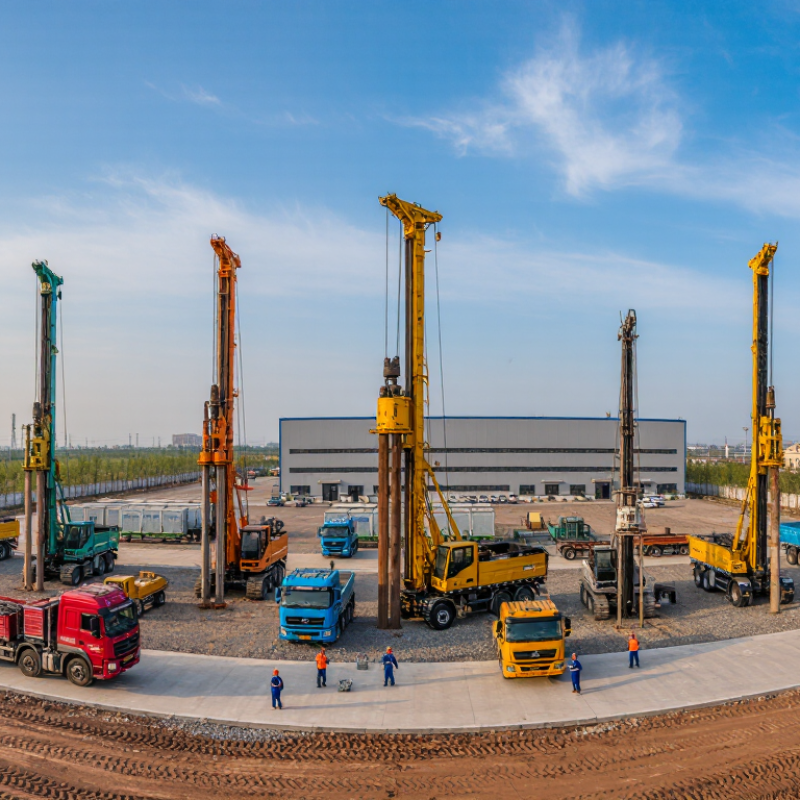
A water drilling rig is a machine that creates a borehole to reach groundwater below the surface. Its mast supports the drill string, while a rotary head or hammer breaks through soil and rock. Some rigs circulate drilling fluid to carry cuttings upward; others use compressed air. The right method depends on rock hardness, water depth, and site access. The setup matters. On a compact rural plot, a smaller rig may fit between fences, while deep or rocky formations can require heavier equipment. Operators track drilling depth, ground changes, and signs of water. Still, a promising water-bearing layer does not guarantee a reliable well.
These rigs are used for household and community wells, livestock watering, irrigation, and groundwater monitoring. At a farm, a borehole can supply a storage tank for dry periods, provided the yield meets demand. Construction and environmental teams may drill monitoring holes to measure groundwater levels or collect samples. Each site needs assessment: local geology, nearby wells, and potential contamination sources all affect placement and depth. After drilling, test pumping helps estimate sustainable flow, and water testing checks whether treatment is needed. Records matter, too. A tidy log can still miss details, so field notes should be reviewed against the actual conditions.
Top 10 Water Drilling Rig Manufacturers in China?
Choosing a drilling rig starts with the job, not the brochure. Match the machine to expected well depth, ground conditions, and site access. Ask for operating data on torque, feed force, lifting capacity, and compressor requirements. These figures should suit your drilling method and local geology. A compact rig may reach a narrow site, but limited lifting capacity can slow work. Check weld quality, hose routing, guards, and access to routine service points. Small details matter.
Ask to see a machine run under load, not just displayed in a clean workshop. Request maintenance schedules, parts lists, warranty terms, and service response times in writing. Verify that the quoted configuration includes the pump, rods, and accessories you actually need. Speak with operators who have used similar equipment, and ask what required repair. One limitation: a short factory test cannot recreate months of field wear. Keep that in mind.
Tips: Bring your planned depth and site conditions to the inspection. Take photos of key components, and compare serial numbers with documents. Ask how common wear parts are stocked and shipped. If an answer is vague, record it and request clarification. A careful supplier review takes time, and no checklist catches everything.
Comparing the top 10 water drilling rig manufacturers in China takes more than checking catalog prices. Buyers should examine drilling depth, borehole diameter, and the ground conditions each rig can handle. A compact crawler unit may suit a narrow rural site, while a truck-mounted rig can move faster between accessible locations. Ask for verified specifications, operating manuals, and service details. A polished brochure is not proof of field performance.
Manufacturing capability matters, but so does practical support. Check whether key components are available, how quickly technicians respond, and what training operators receive. Request references for projects with similar geology, then confirm the details directly where possible. Field conditions vary. A rig that performs well in soft soil may struggle in fractured rock, so matching equipment to the site is essential. A neat ranking can still miss this point.
Tips: Compare warranty terms and spare-parts lead times in writing. Ask for a live equipment demonstration, if practical. Inspect welds, hydraulic lines, and control layout. Small details matter. Keep in mind that the lowest quote may exclude useful tooling or after-sales support, and a comparison can never replace a site-specific assessment.
Leading Chinese water-drilling rig manufacturers supply truck-mounted, crawler, and trailer-mounted platforms for different site conditions. Their core products include rotary rigs for deep wells and compact units for farms or restricted access. Many combine hydraulic feed systems with mud pumps, allowing operators to adjust drilling pressure and circulation. For hard, fractured formations, down-the-hole hammer systems can improve penetration. No platform suits every site.
Key technologies increasingly include automated rod handling, digital depth monitoring, and controls that help maintain steady rotation. Some models add dust suppression and fuel-saving engine management. These features can reduce manual handling and improve operating consistency, but performance depends on ground conditions, maintenance, and operator skill. A specification sheet can look impressive; it cannot guarantee results in the field.
Tips: Match the rig to planned well depth, bore diameter, and local geology. Ask for verified test data, spare-parts availability, and service details. Check transport width and working clearance before purchase. Small details matter. Compare noise, fuel use, and setup time under similar conditions; published figures may not tell the whole story.
How to Select a Manufacturer for Your Drilling Project
Choosing a water drilling rig manufacturer starts with the ground you need to drill, not a catalog’s biggest capacity figure. Share your expected depth, borehole diameter, local geology, and site access with potential suppliers. A rig suited to soft sediment may struggle in fractured rock. Details matter. Ask for operating data from projects with similar conditions, and check whether the quoted configuration includes the compressor, drill pipes, and casing tools you require.
Look beyond purchase price. Compare fuel use, routine maintenance intervals, parts availability, and the time needed for operator training. Ask how the supplier diagnoses faults and ships replacement components to your region. A written warranty is useful, but its exclusions and response times matter too. Ask for references you can contact, ideally from contractors who have operated the equipment for several seasons. Brochures are not proof.
Before ordering, request a clear specification sheet and confirm that the rig can be inspected or tested under realistic conditions. Check the mast, hydraulic connections, controls, and safety guards in person or through detailed live video. Ask what changes are possible if the geology proves different from initial surveys. No estimate is perfect. A careful supplier should explain trade-offs plainly, rather than promise that one machine will handle every site.
| No. | Evaluation Area | What to Compare | Evidence to Request | Why It Matters |
|---|---|---|---|---|
| 1 | Drilling method and geology | Confirm whether the proposed rig supports the method suited to the site, such as rotary drilling, mud rotary, or down-the-hole (DTH) hammer drilling. | A written method recommendation based on the expected formations, groundwater conditions, and project requirements. | Different formations and drilling methods call for different tooling and operating systems; one rig configuration is not ideal for every site. |
| 2 | Rated drilling depth | Compare depth ratings only when the stated hole diameter, drilling method, drill pipe, and ground conditions are also specified. | A technical data sheet that identifies the conditions and configuration used for the rated depth. | A depth figure without its operating conditions is not a reliable basis for comparing equipment. |
| 3 | Hole diameter and tooling | Check the required borehole diameter and the compatible drill bits, rods, casing, and other tooling. | A tooling list showing compatible sizes and any limits on diameter at different drilling depths. | Required diameter affects the drilling load and the equipment and tooling needed to complete the borehole. |
| 4 | Rotary torque and speed | Compare available rotary torque and speed ranges against the proposed drilling method and tooling. | Published torque and speed specifications, including the operating conditions and configuration. | Torque and speed influence how the rig can operate with different tools and ground conditions. |
| 5 | Feed and pullback capacity | Review feed force, pullback force, and mast travel in relation to the drill string and planned operations. | Rated force and mast-travel specifications, with clarification of how the ratings are measured. | These figures help assess the rig’s ability to advance and retrieve the drill string during operation. |
| 6 | Power system | Compare engine or electric-drive configuration, rated power, fuel or power requirements, and service access. | Power-system specifications and the recommended maintenance schedule. | The power source must suit site conditions and provide the energy required by the rig’s drilling systems. |
| 7 | Air and mud systems | For DTH work, check compressor requirements; for mud drilling, check pump flow, pressure, and fluid-system compatibility. | System specifications and a clear statement of whether auxiliary equipment is included or supplied separately. | Air or drilling-fluid capacity must match the selected method and tooling; it should not be assumed to be included with the rig. |
| 8 | Mobility and site access | Compare transport dimensions, operating weight, chassis or crawler configuration, and setup requirements. | Overall dimensions, weight, transport instructions, and site-preparation requirements. | Access roads, terrain, and transport limits can affect whether the equipment can reach and operate at the drilling location. |
| 9 | Quality and safety documentation | Review inspection procedures, safety features, operating instructions, and the scope of any quality-management certifications. | Relevant certificates, inspection records, risk and safety documentation, and manuals for the offered configuration. | Documentation helps buyers assess manufacturing controls and understand safe operation; certification scope should be checked rather than assumed. |
| 10 | Warranty, parts, and service | Compare warranty terms, spare-parts availability, technical support, training, and service arrangements for the destination market. | Written warranty terms, parts list, support response process, and training or commissioning details. | Clear after-sales arrangements help plan maintenance and reduce uncertainty about support over the equipment’s service life. |
By continuing to browse or by clicking “Accept All Cookies,” you agree to the storing of first- and third-party cookies on your device to enhance site navigation, analyze site usage, and assist in our marketing efforts. View our Privacy and Cookie Policy.