Top Water Valves Types Benefits and Uses Explained?

Water valves are essential components in plumbing and irrigation systems. They regulate the flow of water, ensuring efficient usage. By understanding the different types of water valves, we can select the best options for our needs.

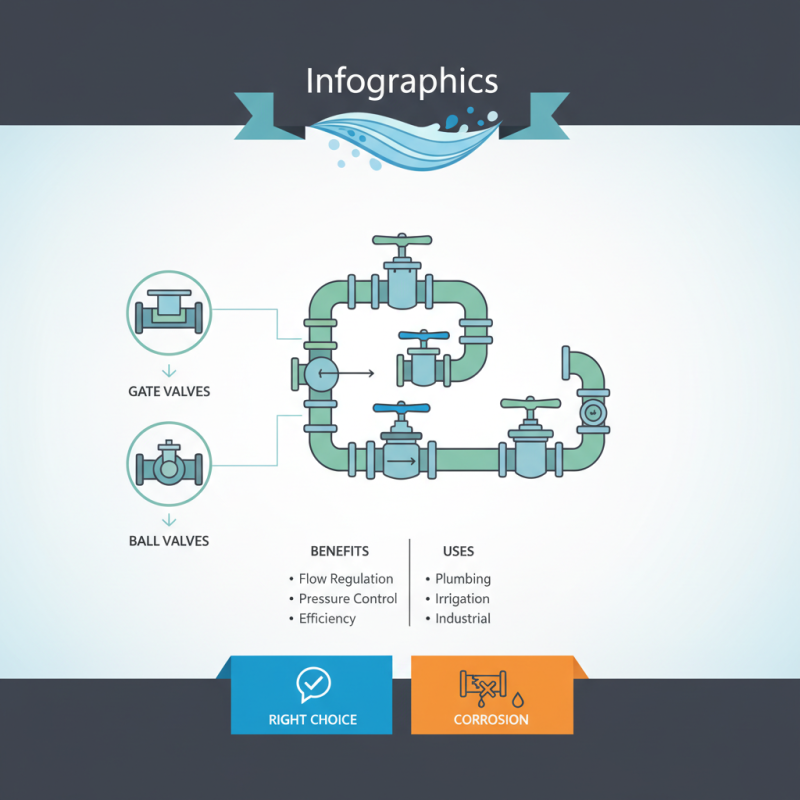
There are various water valve types, each providing unique benefits. For instance, gate valves allow for a straight-line flow and minimal pressure drop, while ball valves offer quick shut-off. It’s crucial to consider the application before choosing.

Not all valves are perfect for every situation. Some may corrode over time, impacting their function. Reflecting on your specific needs will lead to the right choice. Understanding the advantages and drawbacks can significantly enhance water management strategies.
Top Water Valves Types Benefits and Uses Explained?

Key Types of Water Valves and Their Characteristics
Top Water Valves Types Benefits and Uses Explained?

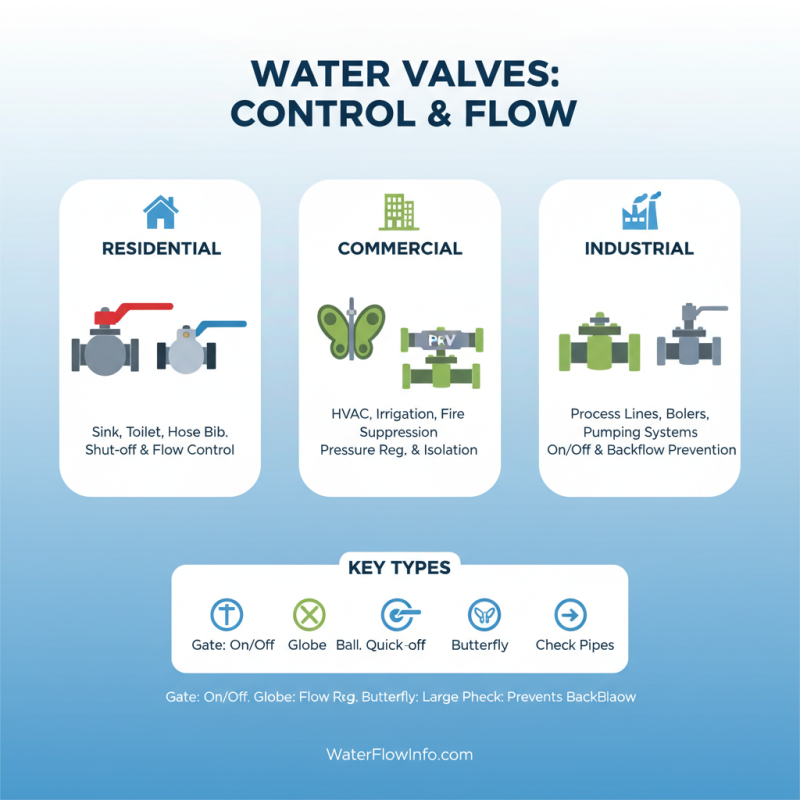
Water valves play a crucial role in various applications. They control the flow of water and can be used in residential, commercial, and industrial settings. Understanding the key types of water valves helps in choosing the right one for specific needs.

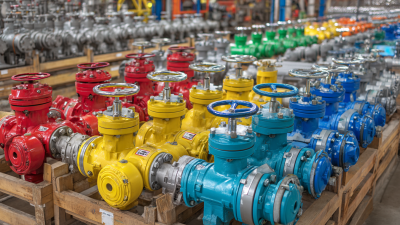
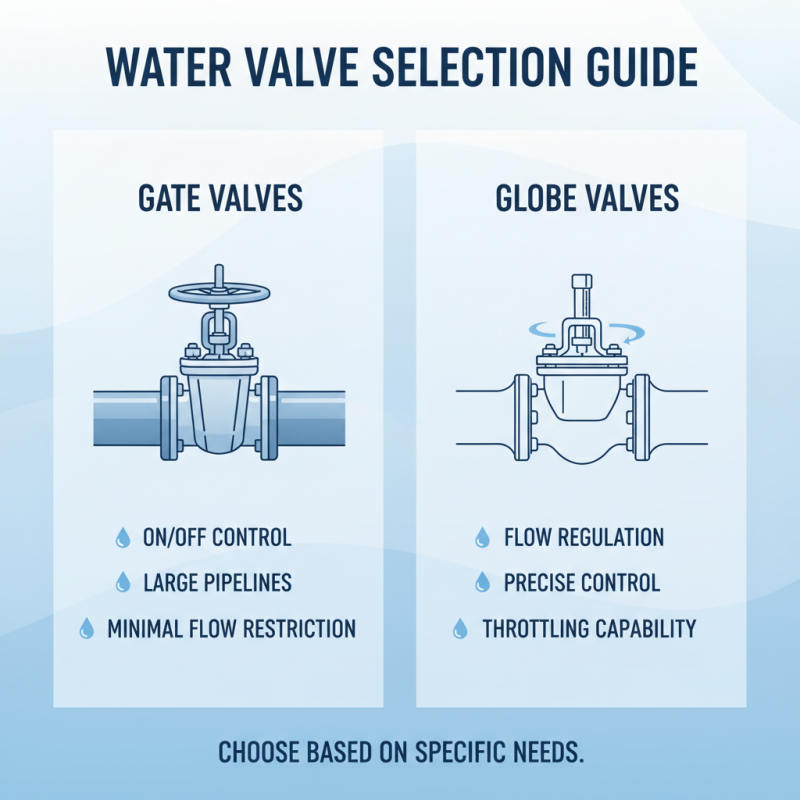
Gate valves are commonly used for on-off control. They allow full flow when opened. However, they are not ideal for throttling. A ball valve offers a tight seal. It is easy to operate and provides good shutoff capabilities. But, over time, the ball may wear out. Globe valves, on the other hand, are designed for throttling. They regulate flow effectively but can create pressure drops.

Butterfly valves are lightweight and easy to install. They are widely used in large pipelines. Their simple design allows for quick operation. Yet, their sealing may not be as reliable as other valve types. In some situations, improper installation can lead to issues. It is vital to consider specific requirements when selecting a valve. Each type has its benefits and drawbacks. Always evaluate your needs carefully before making a decision.
Benefits of Using Different Types of Water Valves

Water valves play a crucial role in managing water flow in various systems. Different types of water valves offer distinct benefits. For instance, ball valves are known for their durability and tight sealing. They can handle high pressure and temperature fluctuations. This makes them ideal for industrial applications.

Gate valves, on the other hand, are perfect for fully on or off applications. They do not regulate flow. Instead, they provide minimal resistance when fully open. This can be a significant advantage in water supply systems. However, they may have a slower response time compared to other valves.

Using the right type of valve can enhance efficiency. For example, check valves prevent backflow, ensuring that water flows in the right direction. But some users may overlook maintenance, leading to performance issues. Regular checks are necessary to keep them functioning well. Ultimately, understanding these differences helps in making informed decisions for any water system.

Top Water Valves Types Benefits and Uses Explained

Valve Type Benefits Common Uses
Gate Valve Low pressure drop, excellent for on/off control. Water supply lines, drainage systems.
Globe Valve Good for flow regulation and throttling. Hot water systems, process flow management.
Ball Valve Fast operation, reliable sealing, minimal leakage. Water supply, gas systems.
Check Valve Prevents backflow, maintaining system integrity. Pumping stations, waste systems.
Butterfly Valve Compact, quick operation, low weight. HVAC systems, large diameter pipelines.

Common Applications of Water Valves in Various Industries

Water valves play a crucial role in various industries. They control fluid flow, ensuring efficient operations. In agriculture, valves regulate irrigation systems. Farmers rely on them to maintain optimal water supply. A malfunctioning valve can lead to overwatering or drought, impacting crops.

In the construction sector, water valves are essential for plumbing systems. They manage water distribution in buildings. Without them, leaks and water pressure issues can arise. This can lead to significant delays and costs. Regular maintenance is often overlooked, which can create problems.

Food and beverage companies also depend on water valves. They ensure hygiene and safety in production. Any failure in these valves can result in contaminated products. This poses serious health risks. Industries must prioritize the quality of their water valves, yet many don’t. Reflecting on these aspects can lead to better practices and safer operations.

Common Applications of Water Valves in Various Industries

Maintenance and Troubleshooting Tips for Water Valves

Water valves play a crucial role in managing the flow of water in various systems. Regular maintenance is key to ensuring their longevity. Checking for leaks is essential. A small leak can lead to significant water waste. If you notice damp spots, investigate immediately. Tightening connections might resolve minor leaks. Additionally, inspect the valve for corrosion. Rust can cause malfunctions, so addressing it promptly is wise.

Another common issue is the valve not opening or closing properly. This can lead to system disruptions. If it gets stuck, try lubricating the moving parts. Sometimes, the issue may be dirt buildup. Cleaning the valve might restore its functionality. Don't forget to check the seals as well. Worn-out seals can cause leaks or prevent proper functioning. Replacing these is often a simple fix that can extend the valve's life.

Many people overlook valve maintenance until a problem arises. This can be costly in terms of repairs. Establish a routine to inspect your water valves regularly. Set reminders to check for leaks, functionality, and wear. The effort put into maintenance can save you from bigger issues down the line. Keeping track of performance helps identify potential problems before they escalate.

Selecting the Right Water Valve for Your Specific Needs

Top Water Valves Types Benefits and Uses Explained?

When selecting a water valve, it's essential to evaluate your specific needs. Different types of valves serve various purposes. For example, gate valves are ideal for on/off control in large pipelines, while globe valves are best for regulating flow. Each type has its own unique benefits.

Consideration of the application is crucial. If you need to handle high pressures, ball valves might be your best choice. Their compact design and durability make them suitable for many environments. However, resistance to flow can be a downside. You may also find that some valves require more maintenance over time.

It's also important to think about installation and space. Some valves are bigger than others. Ensure you have enough room for installation. Piping configuration can also complicate the process, leading to possible errors. Choosing the right valve takes time and attention to detail. Investing thought into your decision will pay off in the long run.