Top 10 Sanitary Tubing Options for Global Buyers Now?
When choosing sanitary tubing, global buyers face many options. The right tubing is crucial for various industries, including food and beverage, pharmaceuticals, and biotechnology. Sanitary tubing ensures product safety and maintains hygiene. Quality is non-negotiable, so understanding different materials and standards is vital.
In this guide, we explore the top 10 sanitary tubing options available now. Each option reflects technical specifications and quality assurance measures. Buyers must consider factors like compatibility, durability, and ease of cleaning. Not every type of sanitary tubing meets all industry requirements; therefore, research is essential.
Overall, selecting sanitary tubing requires a balance of expertise and practicality. Buyers may find themselves overwhelmed by choices. It’s important to reflect on the specific needs of each application. Understand that failing to choose the right tubing can lead to costly mistakes. Let’s dive deeper into the best sanitary tubing options for today’s global market.
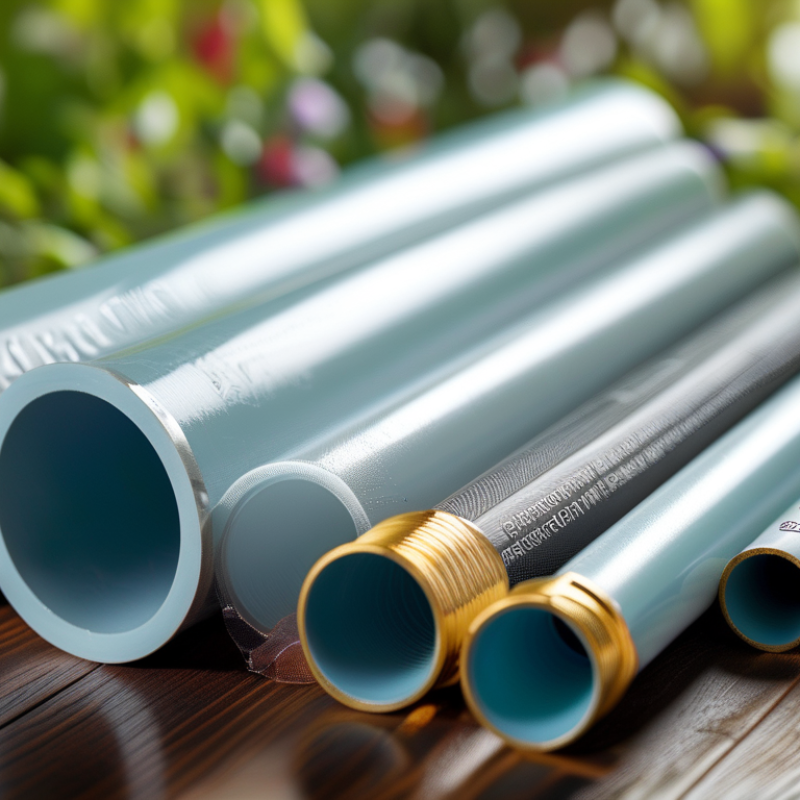
Overview of Sanitary Tubing and Its Applications in Various Industries
Sanitary tubing is essential in various industries, especially in food, beverage, and pharmaceuticals. These tubes ensure the integrity of products by maintaining hygiene standards. The smooth interior surface minimizes the risk of bacteria buildup. Proper selection of materials is crucial. Common materials include stainless steel, which offers strength and resistance to corrosion.
In food processing, sanitary tubing prevents contamination. It can withstand high temperatures and pressures, making it ideal for steam sanitation. Pharmaceutical applications require strict compliance with regulations. Tubing must be free of defects and impurities. Regular inspections are necessary to ensure reliability.
Despite the range of options available, manufacturers often face challenges in sourcing the right type for their needs. Not all tubing meets industry certifications. This can lead to costly delays or compliance issues. It's essential for buyers to thoroughly vet suppliers and understand the specific requirements of their applications. Investing time in research can prevent future setbacks.
Key Factors to Consider When Selecting Sanitary Tubing for Global Markets
When selecting sanitary tubing for global markets, several factors must be considered carefully. Material compatibility is essential. Tubing must resist corrosion and contamination. For example, stainless steel and polymer options are prevalent. According to industry reports, stainless steel accounts for 60% of the sanitary tubing market due to its durability and hygiene properties.
Another crucial factor is size and flexibility. Sanitary applications often require specific dimensions. Tubing must fit seamlessly into existing systems. Buyers should consider the pressure ratings as well. Not all products can handle high-pressure environments. Industry standards emphasize that a failure in tubing can lead to costly downtime and compliance issues.
Additionally, regulatory compliance is fundamental in global markets. Products must meet local and international standards for safety and quality. Certifications such as FDA approvals can significantly influence buying decisions. The lack of certain certifications can limit market access and trust. While many options exist, careful scrutiny of these factors ensures better selection for buyers and systems alike.
Top 10 Sanitary Tubing Options: Specifications and Benefits Explained
Sanitary tubing is essential for various industries, including food, beverage, and pharmaceuticals. Choosing the right sanitary tubing can significantly impact operational efficiency and product quality. Specifications like material, diameter, and wall thickness must align with industry standards. Stainless steel is commonly favored for its durability and corrosion resistance. Reports indicate that the global sanitary tubing market is expected to grow at a CAGR of approximately 5.2% from 2023 to 2028, reflecting increasing demand across sectors.
When selecting tubing, consider factors such as compliance with FDA regulations and certifications like ISO 13485 for medical applications. Tubing should be easy to clean and maintain. Many options feature smooth surfaces that reduce contaminant buildup. This attribute is particularly critical in the pharmaceutical industry, where cleanliness is paramount. Industry studies emphasize that maintaining hygienic tubing can reduce contamination risks by up to 30%.
Ensure that the selected tubing fits your specific application needs. Often, buyers overlook the importance of temperature and pressure ratings, which are crucial for maintaining integrity. Always review technical specifications carefully. Scheduling regular inspections can also prevent costly downtimes in operations. Investing in quality sanitary tubing is not just about compliance; it can enhance overall process reliability.
Top 10 Sanitary Tubing Options: Specifications and Benefits
This chart displays the flexibility ratings of the top ten sanitary tubing options, measured in Newton per square millimeter (N/mm²). These specifications are essential for global buyers to evaluate and compare tubing for various sanitary applications.
Comparative Analysis of Materials Used in Sanitary Tubing Production
Sanitary tubing plays a crucial role in industries like food and pharmaceuticals. The choice of materials significantly affects quality and performance. Stainless steel is a popular option due to its strength and resistance to corrosion. According to a 2022 industry report, stainless steel can reduce contamination risks by over 50% when compared to other materials. This durability ensures longevity, making it a reliable choice for high-pressure applications.
Plastic tubing is gaining traction as an alternative. Options like PVC and PTFE are lightweight and offer flexibility. However, their performance can vary widely. A recent survey highlighted that almost 30% of users reported issues related to chemical compatibility with certain fluids. This raises questions about the best applications for these materials, emphasizing the need for careful selection based on industry standards.
Lastly, silicone tubing deserves attention for its heat resistance and biocompatibility. A study noted that silicone could maintain integrity at temperatures up to 200°C. Despite this advantage, more than 15% of users encountered problems with ultraviolet exposure, which can impact long-term use. This complicates the decision-making process for selecting the best sanitary tubing, as different applications have unique requirements.
Top 10 Sanitary Tubing Options for Global Buyers Now
| Material |
Application |
Temperature Range (°C) |
Chemical Resistance |
Cost (USD per meter) |
| 316L Stainless Steel |
Food & Beverage |
-196 to 500 |
Excellent |
20 |
| PTFE (Teflon) |
Pharmaceutical |
-200 to 260 |
Excellent |
25 |
| PVC |
Water Applications |
0 to 60 |
Moderate |
5 |
| Silicone |
Confectionery |
-60 to 200 |
Good |
15 |
| Alloy 625 |
Aerospace |
-253 to 1000 |
Excellent |
70 |
| Titanium |
Chemical Processing |
-250 to 600 |
Very Good |
120 |
| PEEK |
Medical Devices |
-50 to 260 |
Good |
30 |
| Nylon |
Food Processing |
-40 to 120 |
Moderate |
8 |
| Polypropylene |
Food & Beverage |
0 to 100 |
Fair |
6 |
| Copper |
Brewing |
-50 to 200 |
Good |
35 |
Future Trends in the Sanitary Tubing Market and Innovations to Watch
The sanitary tubing market is evolving rapidly. New materials and technologies are reshaping the landscape. As health regulations become stricter globally, manufacturers are exploring innovative ways to meet these demands.
One trend is the rise of single-use systems. These systems minimize contamination risks. They also streamline production processes. Another significant innovation involves antimicrobial coatings. These coatings can reduce bacterial growth on tubing surfaces. This technology is becoming vital in food and pharmaceutical industries.
Sustainability is another focus. Companies are looking for eco-friendly materials. Recyclable or biodegradable options are gaining popularity. However, the challenge remains in balancing performance and sustainability. Buyers need to reflect on their needs carefully. Every option comes with its own set of trade-offs. Understanding these details will lead to better decision-making in the long run.