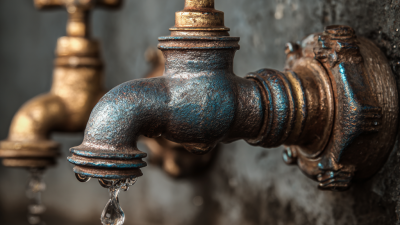
When setting up a bathroom, choosing the right sanitary fittings is crucial. These components significantly affect both functionality and aesthetics. A well-planned selection can enhance your daily routine. Consider how fixtures like faucets and toilets contribute to comfort and cleanliness.
The bathroom is one of the most important spaces in your home. It needs to be both practical and inviting. Sanitary fittings play a vital role in achieving this balance. Selecting high-quality products can save you from future headaches. Yet, many homeowners overlook the importance of durability and design.
Let’s explore the top sanitary fittings that are essential for a functional bathroom. Each fitting serves a unique purpose, offering different benefits. For instance, a sturdy faucet can endure constant use, while a stylish showerhead can elevate the look of your space. Reflecting on your choices can lead you to a bathroom that truly meets your needs.
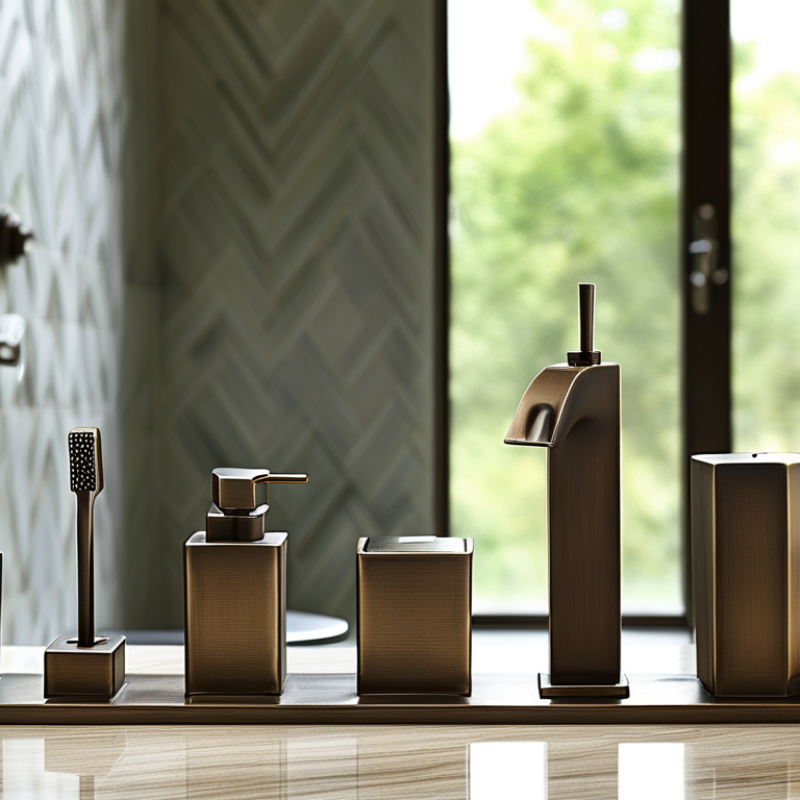
When setting up a bathroom, choosing the right sanitary fittings is vital for optimal functionality. A well-designed space requires careful attention to several key components. The basin is an essential item; it affects both the aesthetic and practical aspects of the room. Opt for a design that complements your decor while ensuring it has sufficient capacity. An insufficient basin may require frequent refills, which can affect your daily routine.
Another critical fitting is the shower kit. The right showerhead can make a significant difference. It should provide sufficient water pressure while being easy to clean. Installing a thermostatic mixer is also a worthwhile consideration. This component ensures a consistent water temperature, enhancing safety and comfort. Don’t overlook the importance of a reliable toilet. A low-flow design can save water without sacrificing performance. Pay attention to the materials used. Quality fittings are more durable and can withstand daily use.
Choosing the right sanitary fittings often requires research and reflection. Many people regret their choices when the bathroom is complete. Are your selections practical? Will they stand the test of time? Don’t rush the process; take time to ensure every fitting meets your needs and expectations. It’s a small space, but each piece plays a significant role in creating a comfortable and functional environment.
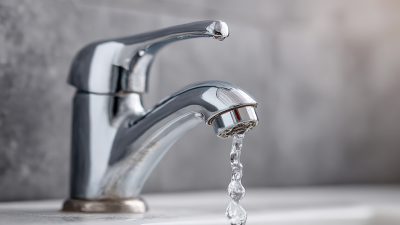
When selecting faucets for your bathroom, consider various types and features. The right faucet can enhance your bathroom's aesthetic and functionality. Modern studies suggest that high-efficiency faucets can reduce water use by up to 30%, contributing to sustainability.
Different faucet types include single-handle, dual-handle, and pull-down options. Single-handle faucets are popular for their ease of use. According to industry reports, they account for about 50% of all faucet sales. Dual-handle faucets offer precise temperature control but can be less convenient. Pull-down faucets are versatile, simplifying tasks like washing hair or filling large containers.
Consider finish options, too. A brushed nickel finish is not only stylish but also resistant to fingerprints and water spots. Choose against high-polish finishes if you want to avoid constant cleaning. Look for models with ceramic cartridge technology for durability. Reports show that these faucets can last twice as long as traditional ones.
Reflect on your needs and style. You may love a trendy design but realize it doesn't suit your routine. Practical features, like aerators, can provide a comfortable water flow while conserving resources. Keep in mind that a faucet should blend with your overall decor while remaining functional. Sticking to a budget is important, but consider investing more in quality pieces that stand the test of time.
Proper drainage systems are crucial for any bathroom. They prevent water accumulation, which can lead to mold and structural damage. A well-designed drainage system channels excess water away effectively. This protects the foundation and walls of your home from serious issues. Regular maintenance of these systems is vital to ensure they function correctly.
Common problems can arise if drainage systems are neglected. Clogs can develop from hair and soap buildup. This can cause slow drainage or even backups. Investing time in regular cleaning and inspection can save you considerable hassle in the long run. You may need to re-evaluate your drainage setup if you experience frequent issues.
Using quality materials for drainage is essential. Poor-quality fittings can lead to leaks or failures. Understand the layout of your plumbing and how it impacts drainage efficiency. Consult a professional if you are unsure about the best setup for your specific bathroom. This knowledge will enhance your bathroom functionality. Looking closer at drainage can reveal details that significantly improve your home’s hygiene.
When setting up your bathroom, the materials and finishes of sanitary fittings play a crucial role. Research indicates that around 70% of homeowners prioritize durability and aesthetics in their selections. For instance, stainless steel fixtures are popular for their resistance to rust and corrosion. This material not only enhances the longevity of the products but also offers a modern look. In contrast, plastic fittings may seem affordable but often lack the durability needed for high-usage areas.
The finish of these fixtures can significantly impact maintenance and appearance. Matte finishes are currently trending, as they are less prone to showing water spots and fingerprints. This is a practical advantage, especially in high-traffic bathrooms. On the other hand, polished chrome gives a sleek look but may require more cleaning. According to a recent industry report, about 53% of consumers prefer low-maintenance options when choosing bathroom fittings. Thus, understanding these materials and finishes is essential for making informed decisions in bathroom design. Balancing beauty and functionality often requires careful consideration of how different surfaces will perform over time.
Creating a hygienic bathroom setup is essential for your health and well-being. According to a report by the National Sanitation Foundation, bathrooms can harbor nearly 500 different types of bacteria, making sanitation crucial. When installing sanitary fittings, ensure that all connections are properly sealed. This reduces the chances of leaks and dampness, which can contribute to mold growth.
Frequent cleaning is vital, but so is the selection of materials. Opt for fittings made from anti-microbial surfaces. Studies show that materials like stainless steel and certain plastics can reduce bacterial growth. Install fixtures that allow easy access for cleaning. Choose designs that minimize crevices where dirt can accumulate. Proper installation not only enhances hygiene but also extends the life of your fittings.
Regular maintenance is another key aspect. Inspect your fittings periodically for any signs of corrosion or wear. The World Health Organization emphasizes the importance of a well-maintained environment in preventing infections. If you notice persistent leaks, address them immediately. Don’t overlook the importance of adequate ventilation. It keeps humidity levels low, deterring the growth of bacteria and fungi. These small actions can significantly improve your bathroom's hygiene.
| Sanitary Fitting | Material | Features | Installation Tips |
|---|---|---|---|
| Basin Mixer Tap | Brass | Easy temperature control | Ensure proper sealing to prevent leaks |
| Wall-Mounted Toilet | Ceramic | Space-saving design | Install with a sturdy support frame |
| Shower Head | Stainless Steel | Adjustable spray settings | Check for water pressure compatibility |
| Bidet Faucet | Nickel | Water-efficient | Position for easy reach |
| Towel Rack | Aluminum | Rust-resistant | Mount securely on wall studs |
| Bathroom Sink | Glass, ceramic | Stylish and modern | Level with countertop |
| Piping and Fittings | PVC | Copper | Durable and sturdy | Use appropriate adhesives and sealants |
| Overflow Drain | Metal | Prevents water spillage | Install securely to the sink |
| Water Softener | Plastic | Improves water quality | Follow manufacturer's installation guide |
| Water Shower Valve | Brass | Controls water flow | Ensure compatibility with existing plumbing |
By continuing to browse or by clicking “Accept All Cookies,” you agree to the storing of first- and third-party cookies on your device to enhance site navigation, analyze site usage, and assist in our marketing efforts. View our Privacy and Cookie Policy.