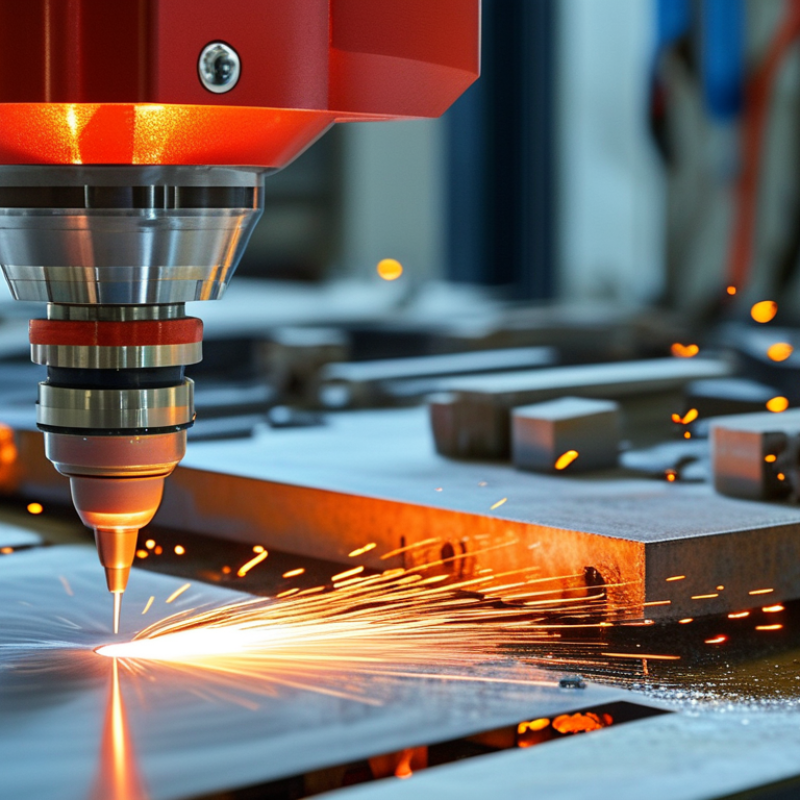
Choosing reliable China Top Pulsed Laser Cleaning Machine Suppliers requires more than comparing prices or reading polished product brochures. Pulsed Laser Cleaning uses short, controlled laser pulses to remove rust, paint, oil, oxide layers, and other unwanted deposits. The process can protect a metal surface when operators select suitable wavelength, pulse energy, repetition rate, and scanning speed.
John F. Ready, a recognized laser-materials researcher, described laser cleaning as “the removal of unwanted material from a surface by laser radiation.” This simple definition still demands careful engineering. A supplier should explain how its system controls thermal input, protects sensitive substrates, and handles dust or vapor during operation. A serious manufacturer should also provide test results, sample cleaning videos, electrical specifications, and realistic production data.
China has many capable suppliers. However, capability varies widely. Some companies build complete systems, while others mainly assemble imported components. Buyers should inspect laser source brands, scanner quality, cooling design, software stability, and service response times. Ask for a sample test using your actual workpiece. A clean demonstration on mild steel may not represent performance on aluminum, stone, molds, or painted surfaces.
The best choice is not always the lowest quotation. It is the supplier that understands your contamination, material, production speed, and safety requirements. This guide has limits. Supplier claims can change, and laboratory results may look better than factory conditions. Careful verification remains essential. A useful comparison should expose those differences clearly, without treating every Chinese manufacturer as equally experienced or equally reliable.
China Top Pulsed Laser Cleaning Machine Suppliers?
A pulsed laser cleaning machine removes rust, paint, oil, and oxide layers from a surface. It uses short bursts of concentrated laser energy. Each pulse heats the unwanted layer quickly. The layer then cracks, vaporizes, or separates from the base material. The cleaned surface receives less heat than with continuous laser systems. This helps protect metal edges, welds, molds, and delicate components.
In real workshops, operators adjust pulse energy, frequency, scanning speed, and focus distance. These settings matter greatly. Too much energy may discolor or roughen the substrate. Too little energy leaves residue behind. A reliable process includes a small test area, surface inspection, and documented parameter changes. Laser cleaning is precise, but it is not a magic eraser. Some coatings respond unevenly. Results can also change with moisture, alloy type, and layer thickness. That uncertainty deserves attention.
Tips: Wear suitable eye protection. Control fumes with proper extraction. Keep the beam path enclosed when possible. Start with low energy. Test hidden areas first. Measure the surface before and after cleaning. Do not trust appearance alone. A bright surface may still contain microscopic residue. Calibration and operator training improve repeatability, especially during long production runs.
A pulsed laser cleaning machine removes rust, paint, oxide layers, oil, and other contaminants by delivering laser energy in short pulses. The chart shows representative pulse durations used in laser-cleaning systems: nanosecond, picosecond, and femtosecond pulses. Shorter pulses can reduce heat transfer to the base material, while the suitable choice depends on the contaminant, substrate, laser wavelength, and required cleaning speed.
China’s leading pulsed laser cleaning suppliers compete through practical machine design, not advertised power alone. A reliable system should offer stable pulse energy, adjustable frequency, and a controlled beam profile. These controls help remove rust, paint, oil, and oxide layers with limited heat transfer. Surface damage remains a real risk.
Operators also need lightweight scanning heads, clear controls, and effective fume extraction. Air cooling may suit short jobs, while water cooling supports longer production cycles. Safety interlocks, emergency stops, protective enclosures, and visible alarms deserve close inspection. Small details matter. Cable length and handle balance can affect operator fatigue more than expected. That lesson is easy to miss.
Experienced suppliers often provide sample cleaning, process records, maintenance guidance, and operator training. Ask for tests on the actual substrate, not a similar metal. Check pulse stability after continuous operation, lens replacement procedures, and spare-part availability. Certification documents should be traceable and current. Supplier response time also reveals practical reliability. Still, supplier claims need independent verification. A perfect sample may hide slow production speed or uneven results. Buyers should record cleaning time, surface temperature, residue, and repeatability before ordering. I would question unclear warranties, vague energy figures, and demonstrations using unusually prepared surfaces.
China offers several pulsed laser cleaning machine types for different surface conditions and production needs. Nanosecond machines are common for removing rust, paint, oil, and oxide layers from steel parts. They provide strong cleaning power at a practical cost. Picosecond machines use shorter pulses and reduce heat transfer. They suit delicate molds, electronics, and precision components. Femtosecond systems offer extremely low thermal impact, but their prices and maintenance demands are higher.
Portable pulsed laser cleaners usually include wheels, compact controls, and air cooling. They work well for repair teams, large structures, and irregular work areas. Cabinet-style machines provide better enclosure protection and repeatable positioning. Automated systems can connect with robotic arms or conveyor lines. However, automation needs careful testing. A fast system may still produce uneven results on curved surfaces.
Tips: Match pulse duration, average power, scanning width, and focal distance with the material. Test a hidden area first. Check beam enclosure, emergency stops, extraction, and operator training before purchase. Ask suppliers for cleaning samples and stable parameter records, not only impressive videos. In real workshops, the highest power is not always the best choice. Excessive energy can discolor metal or damage coatings. A slower setting may deliver a cleaner and safer finish. Supplier reliability also depends on service response, documentation, spare parts, and transparent safety compliance.
| Machine Type | Typical Wavelength | Typical Average Power | Pulse Duration | Suitable Materials | Common Cleaning Targets | Typical Applications | Main Advantages | Selection Considerations |
|---|---|---|---|---|---|---|---|---|
| Handheld Nanosecond Fiber Laser Cleaner | 1,064 nm | 20–500 W | Approximately 2–500 ns | Steel, stainless steel, aluminum, copper, cast iron and many coated metals | Rust Oil Paint Oxide | Metal fabrication, maintenance, welding-preparation work, tooling and general industrial cleaning | Wide operating range, relatively high throughput, fiber delivery and flexible handheld operation | Higher power can increase heat input; test panels are recommended for thin sheets, reflective metals and delicate coatings |
| Air-Cooled Pulsed Fiber Laser Cleaner | 1,064 nm | 20–200 W | Typically in the nanosecond range | Common ferrous and non-ferrous metals | Light rust Dust Residue | Workshops, field maintenance, small-batch production and mobile cleaning services | Compact installation, reduced cooling-system requirements and comparatively easy transport | Duty cycle, ambient temperature and continuous operating time should be checked before purchase |
| Water-Cooled High-Power Pulsed Fiber Laser Cleaner | 1,064 nm | 300–1,000 W | Typically in the nanosecond range | Heavy steel structures, molds, machinery parts and large metal components | Heavy rust Thick paint Carbon deposits Scale | Shipbuilding, railway maintenance, large molds, construction equipment and industrial refurbishment | Higher cleaning speed and greater capacity for large-area or heavily contaminated surfaces | Requires sufficient electrical capacity, cooling-water management, ventilation and laser-safety controls |
| MOPA Pulsed Fiber Laser Cleaner | 1,064 nm | 20–300 W | Adjustable nanosecond pulse width, commonly about 2–500 ns | Stainless steel, aluminum, copper, anodized surfaces and coated metals | Anodizing Oxide Paint Selective residue | Precision surface preparation, electronics-related parts, automotive components and selective coating removal | Adjustable pulse width provides better control of peak power, heat input and cleaning aggressiveness | Correct frequency, pulse width, scan speed and fluence must be matched to the substrate and contaminant |
| Q-Switched Pulsed Fiber Laser Cleaner | 1,064 nm | 20–200 W | Commonly around 50–200 ns | Steel, iron, stainless steel and other durable metal surfaces | Rust Oxide Welding residue | General-purpose industrial cleaning, pre-weld cleaning and maintenance of metal parts | Established pulsed-fiber architecture, stable operation and broad availability of compatible components | Compared with adjustable-pulse systems, process flexibility may be more limited for sensitive or reflective surfaces |
| Green Pulsed Laser Cleaner | 532 nm | Typically 10–100 W | Nanosecond or short-pulse operation, depending on the laser source | Copper, brass, selected aluminum surfaces, ceramics and some sensitive components | Oxide Thin coatings Residue | Precision cleaning of reflective metals, electrical components and selected decorative or functional surfaces | Higher absorption on some materials than 1,064 nm systems and a smaller heat-affected zone in suitable processes | Optical alignment, beam delivery, component reflectivity and process stability require careful evaluation |
| UV Pulsed Laser Cleaner | 355 nm | Typically 3–30 W | Usually nanosecond; shorter pulses are also available in specialized systems | Plastics, glass, ceramics, electronic materials and selected painted or coated surfaces | Organic residue Thin films Adhesive residue Micro-contamination | Electronics, semiconductor-related parts, precision components, optics and delicate surface treatment | Shorter wavelength and photochemical interaction can support low-thermal-impact precision cleaning | Lower power and smaller working area generally result in lower throughput; UV exposure requires strict safety measures |
| Picosecond Pulsed Laser Cleaning System | Commonly 532 nm or 1,064 nm; other wavelengths are available | Approximately 5–100 W | About 1–1,000 ps | Precision metals, glass, ceramics, semiconductor materials and delicate coatings | Microscopic residue Thin films Fine oxide layers | High-value components, precision manufacturing, laboratory processes and applications requiring minimal thermal damage | Very short pulses can reduce heat diffusion and improve control of fine surface removal | Higher equipment cost, more complex beam delivery and lower cleaning throughput than many nanosecond systems |
| Robot-Mounted Pulsed Laser Cleaning System | Usually 1,064 nm; 532 nm and 355 nm options are also used | 20–1,000 W, depending on the laser source | Nanosecond or shorter-pulse operation | Large metal assemblies, molds, vehicle components and repeatable industrial parts | Rust Paint Oxide Process residue | Automated production lines, large-area cleaning, mold maintenance and repeatable part processing | Consistent path control, repeatability, programmable coverage and reduced operator exposure | Requires robot integration, guarding, fume extraction, interlocks, fixture design and process programming |
| Galvo-Scanner Enclosed Laser Cleaning System | Commonly 1,064 nm; green or UV configurations are available | 20–300 W for many precision configurations | Nanosecond to picosecond, depending on the source | Small and medium-sized metal, glass, ceramic and coated components | Selective coating removal Oxide Marking residue | Batch processing, precision manufacturing, tool cleaning and integrated production equipment | Fast beam positioning, repeatable scan patterns and improved operator protection in an enclosed workstation | Working-field size, focal depth, extraction capacity and enclosure safety classification should be verified |
Note: The power, pulse-duration and wavelength values shown are representative ranges for pulsed laser cleaning equipment commonly offered in China. Actual specifications vary by laser source, optical configuration, scanning head, cooling method and application requirements. Material compatibility and cleaning parameters should be confirmed through sample testing.
Evaluating Chinese pulsed laser cleaning machine manufacturers requires more than comparing online prices. Start with the factory, not the sales brochure. Check whether the manufacturer designs key components, controls assembly, and records quality inspections. A clean workshop, traceable serial numbers, and documented testing usually indicate stronger production discipline. Ask for pulse energy, repetition rate, wavelength, scan width, cooling method, and expected operating hours. Vague answers are warning signs.
Request a live cleaning test using your actual material and contamination. Rust, paint, oil, and oxide layers can react differently. Watch the surface under magnification after cleaning. Excessive heat marks, uneven stripping, or color changes reveal poor process control. Ask the supplier to repeat the test after several hours of operation. A perfect five-minute demonstration proves little. I have seen impressive samples fail during continuous testing. That experience changed how I judge equipment.
Review electrical safety documents, user manuals, factory inspection records, and relevant export compliance files. Confirm whether the machine includes enclosure protection, emergency stops, interlocks, protective eyewear guidance, and clear operating limits. Reliable manufacturers explain risks instead of hiding them. Evaluate training, spare-parts availability, response time, and remote troubleshooting procedures. Ask for references from users with similar metals and production volumes. Some suppliers may not provide every document immediately. That deserves careful questioning, not instant rejection. A practical trial, transparent communication, and measurable acceptance criteria provide stronger evidence than attractive promises.
Selecting China’s top pulsed laser cleaning machine suppliers requires more than comparing prices. Market reports indicate strong demand: Fortune Business Insights estimated the global laser cleaning market at about USD 587 million in 2023, with continued growth through 2032. Applications include rust removal, paint stripping, mold cleaning, weld preparation, and delicate surface restoration. A capable supplier should test the machine on the buyer’s actual material, not only show polished videos. Steel frames, aluminum parts, and historic stone can react very differently.
Quality depends on measurable engineering. Buyers should request pulse energy, repetition rate, wavelength, spot size, and cleaning speed data. Compliance with ISO 9001 supports process consistency, while IEC 60825-1 addresses laser safety. ISO 12100 helps evaluate machine-related risks. Factory acceptance tests should record surface temperature, residue levels, and damage inspection results. That evidence matters. However, paperwork alone cannot prove cleaning performance; independent trials remain essential.
After-sales support often separates reliable suppliers from short-term sellers. Look for installation training, operating manuals, remote diagnostics, spare optical parts, and documented response times. Calibration guidance is also important because beam quality can change after extended use. Industry surveys commonly identify service responsiveness as a major equipment-purchasing factor, yet many quotations describe it vaguely. Ask for a written service scope. A supplier may offer fast support, but local technicians and replacement-part availability deserve verification. I would also keep a small test log after delivery. It exposes problems early, although it adds work.
By continuing to browse or by clicking “Accept All Cookies,” you agree to the storing of first- and third-party cookies on your device to enhance site navigation, analyze site usage, and assist in our marketing efforts. View our Privacy and Cookie Policy.