Ultimate Tips for Choosing Sanitary Fittings in Your Projects
Choosing the right sanitary fittings is crucial for any construction project. These components impact hygiene, aesthetics, and functionality. Selecting the ideal fittings can feel overwhelming. There are many styles, materials, and brands to consider. Each choice affects both the performance and longevity of your plumbing system.
Professionals know that quality matters. Reliable sanitary fittings prevent leaks and plumbing issues. They also ensure compliance with local regulations. However, many overlook the importance of durability. Some fittings might look good but fail under pressure. It's vital to weigh design against practical use.
While there are abundant options for sanitary fittings, not all are created equal. Too often, decisions are based solely on cost. This can lead to issues later. Reflect on how your choices affect overall project success. Consider investing in fittings that meet your long-term needs. High-quality fittings can save money and headaches down the line.

Understanding the Importance of Sanitary Fittings in Construction Projects
Sanitary fittings play a crucial role in construction projects. Their importance cannot be overstated, as they ensure the hygienic flow of water and waste. When selecting sanitary fittings, understanding the specifications is essential. You must consider the materials, dimensions, and installation requirements. The wrong choice can lead to leaks and costly repairs later.
One key aspect to remember is compatibility. Ensure that the fittings match your plumbing system. This prevents issues during installation and use. Low-quality fittings may save money initially but could cause problems down the line. Regular inspections of these fittings are necessary. They can degrade over time, leading to potential health risks.
Another consideration is the environmental impact. Choosing eco-friendly sanitary fittings can contribute to sustainability. This move showcases a commitment to responsible construction practices. However, some eco-options may not perform as expected. It's vital to weigh the benefits against potential drawbacks. Always strive for a balance between efficiency and sustainability in your project.
Key Factors to Consider When Selecting Sanitary Fittings
Selecting the right sanitary fittings for any project requires a careful approach. Over 30% of plumbing issues arise from improper fittings and fixtures. Therefore, understanding key factors is vital to ensure efficiency and longevity in installations.
Material selection is crucial. Stainless steel, for example, is often preferred due to its corrosion resistance. A study conducted by the International Association of Plumbing and Mechanical Officials reported that improper material choices lead to significant maintenance costs, averaging 20% of a project's budget. Moreover, compatibility with water quality should not be overlooked. Hard water can affect fittings, leading to unexpected repairs.
Another important factor is the fitting's sustainability. According to a report by McKinsey, sustainable materials can reduce environmental impact by up to 25%. Integrating eco-friendly options in your selections can greatly influence your project's overall success. Planning and understanding the space constraints also affect your choices. Limited spaces may require compact fittings, which can compromise performance if not selected wisely. Always assessing the project’s specific needs is necessary for achieving optimal results.
Analyzing Material Types: Metal vs. Plastic Sanitary Fittings
When selecting sanitary fittings, the choice between metal and plastic materials is crucial.
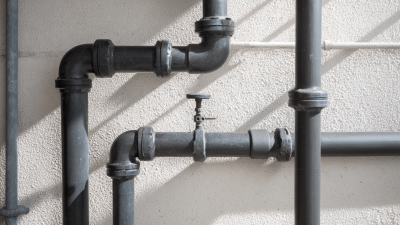
Metal fittings, commonly made from stainless steel or brass, offer durability and high resistance to corrosion. They perform well under pressure and extreme temperatures. For facilities with heavy usage, metal fittings are often preferred due to their strength and longevity.
On the other hand, plastic fittings, usually made from PVC or ABS, provide a lightweight and cost-effective alternative. They are resistant to rust and corrosion but may not withstand high pressures as well as metal options. In certain settings, plastic's flexibility can be an advantage, allowing for easier installation in tight spaces. However, the temperature limitations of plastic need careful consideration.
Both materials have their pros and cons. Metal may showcase superior performance, yet it can lead to issues like higher costs and heavier weight. Plastic, despite being easier to install, might require replacements sooner than metal solutions. It's important to weigh the specific needs of your project carefully. Understanding these nuances can guide your choice effectively.
Industry Standards and Regulations Impacting Sanitary Fitting Choices
When selecting sanitary fittings, industry standards play a crucial role. Regulations such as ASME and ISO set benchmarks for safety and quality. These standards ensure that materials used in fittings are corrosion-resistant and safe for contact with potable water. According to a recent report by the American Society of Sanitary Engineering, compliant fittings significantly reduce the risk of contamination.
The choice of materials is influenced by these standards as well. Stainless steel is commonly preferred due to its durability and resistance to rust. In fact, research indicates that approximately 70% of sanitary installations use stainless steel fittings. This choice not only meets regulatory requirements but also ensures a longer lifespan in high-demand environments like hospitals and food processing facilities. However, not all projects prioritize such materials, which raises concerns about their longevity and safety.
Additionally, jurisdictions may have their own specific regulations. Some regions mandate additional certifications for imported fittings. This can complicate project timelines if the selections do not adhere to local stipulations. Ignoring these standards can lead to severe penalties and costly redesigns. Therefore, ongoing education about industry regulations is essential for ensuring compliance and maintaining project integrity.
Cost-Benefit Analysis of Quality Sanitary Fittings for Long-Term Use
When considering sanitary fittings for your projects, a cost-benefit analysis is crucial. High-quality fittings might require a larger initial investment but offer greater durability. This can ultimately reduce long-term costs. For example, stainless steel fittings last longer than plastic options, making them a wise choice for frequent use.
Evaluating the longevity of materials is essential. Look into user reviews and performance data. These insights provide a clearer picture of what works best in various environments. Consider also the maintenance needs. Some fittings require more care, which might increase overall costs over time.
Pay attention to the supplier’s reputation. Reliable suppliers often provide detailed warranties and customer support. This adds value to your investment. It's essential to reflect on how these factors fit into your project's budget. Sometimes, cost-effective choices turn out to be the most expensive in the long run. Keep your project's specific needs and constraints in mind while making decisions.