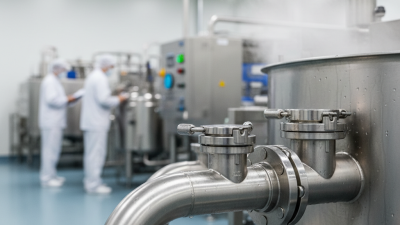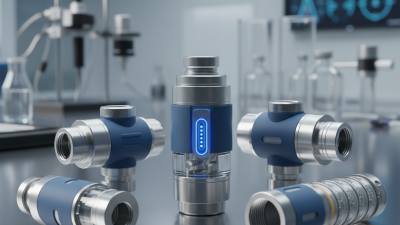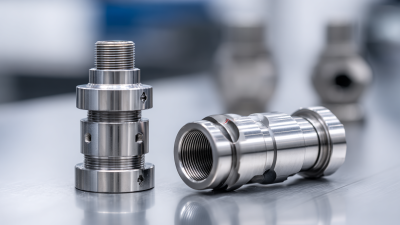
In the food industry, safety is paramount. One crucial element that ensures food safety is the use of sanitary connectors. These connectors play a vital role in maintaining hygiene during food processing. They prevent contamination by ensuring a secure and clean flow of products through various stages.
Sanitary connectors are designed to minimize risk. Their smooth surfaces reduce particle accumulation and make cleaning easier. This design is essential for maintaining compliance with health regulations. Equipment that uses these connectors often experiences fewer issues with contamination. In turn, this protects consumers and businesses alike from potential foodborne illnesses.
Despite their importance, many industries undervalue sanitary connectors. Some may opt for cheaper alternatives that compromise safety. This oversight can lead to serious health risks and damage a brand's reputation. Investing in high-quality sanitary connectors is not just a best practice; it is a necessary step for safeguarding public health.
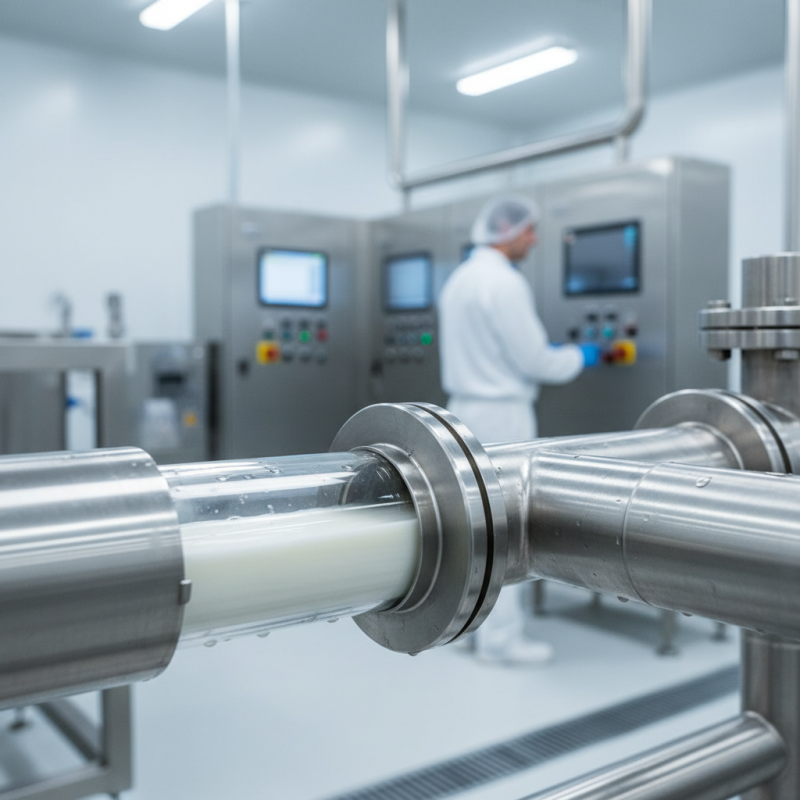
Sanitary connectors play a vital role in ensuring food safety. They serve as critical points in the pipeline systems used in food processing.
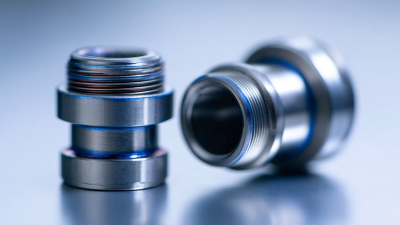
If not properly designed, they can harbor bacteria and promote contamination. The surfaces of these connectors must be smooth and easy to clean.
Any rough surfaces can trap food particles, making cleaning difficult.
Inadequate maintenance can lead to serious risks. Imagine a connector in a dairy processing plant that leaks.
Contaminated milk can spoil the entire batch.
Additionally, improper installation can create hidden spaces where pathogens thrive. This emphasizes the need for strict hygiene practices during assembly and inspection.
The importance of material selection cannot be overlooked. Non-corrosive materials resist wear and ensure longevity.
However, some materials may not withstand extreme temperatures, leading to failures.
Regular audits of connectors help maintain compliance with food safety standards. Every small detail matters when it comes to preventing food contamination.
Material selection plays a crucial role in the design of sanitary connectors. Different materials respond to various conditions. Stainless steel is commonly used due to its resistance to corrosion. However, it may not be the best choice for all situations. For example, in environments with acidic substances, other materials might perform better.
The texture of the material can also impact food safety. Smooth surfaces are preferable, as they are easier to clean. Rough surfaces can trap bacteria, which can lead to contamination. Manufacturers must pay careful attention to every detail in the material choice. Each decision carries weight in maintaining hygiene standards.
Even with high-quality materials, flaws can occur during production. Inconsistencies can lead to leaks or weak connections. This could compromise food safety. Regular inspections can help catch these issues. However, reliance on inspections alone is not sufficient. Continuous improvement in design and material development is essential for maintaining safety in the food industry.
| Connector Type | Material | Temperature Resistance (°C) | Corrosion Resistance | Compliance Standards |
|---|---|---|---|---|
| Hygienic Clamp | 316 Stainless Steel | -196 to 600 | Excellent | FDA, USDA |
| Tri-Clamp | Polypropylene | -20 to 100 | Good | EU Directive 10/2011 |
| Butt Weld | 304 Stainless Steel | -68 to 540 | Fair | ASME Bioprocessing Standards |
| Flanged | Acrylic | 0 to 70 | Poor | None |
| Barbed | PVC | -10 to 60 | Moderate | ISO 9001 |
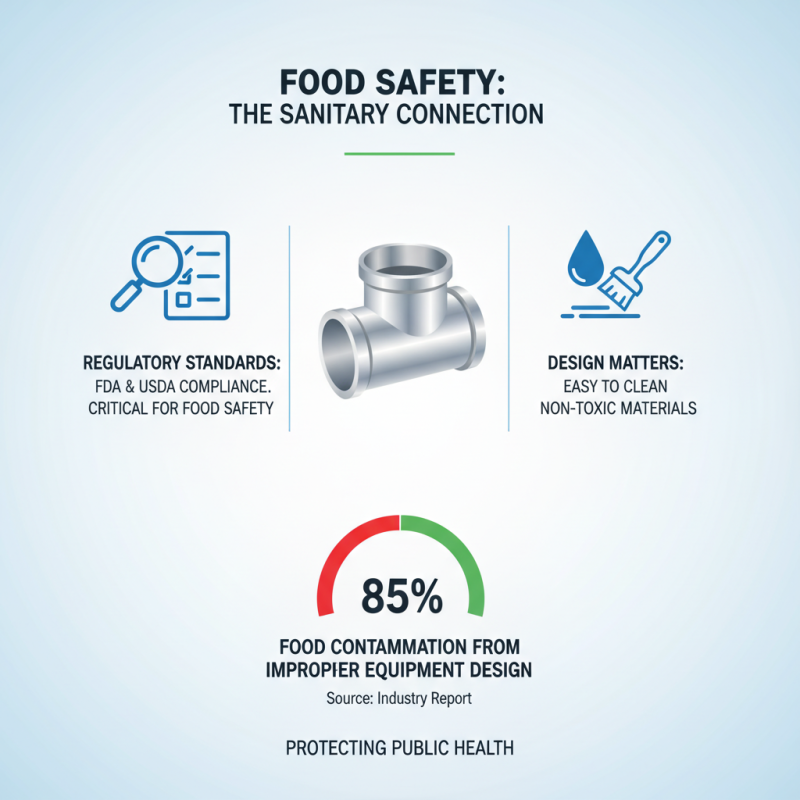
Sanitary connectors play a critical role in maintaining food safety in various processing environments. Regulatory standards, like those from the FDA and USDA, are strict. These bodies emphasize the importance of using connectors that are easy to clean and build with non-toxic materials. According to a recent industry report, 85% of food contamination cases are linked to improper equipment design. This highlights how essential proper sanitary connectors are.
Compliance with standards involves more than just following rules. It requires a deep understanding of materials and manufacturing processes. For example, connectors should be made of stainless steel and designed for minimal bacterial growth. Research shows surfaces that are smooth and free of cracks can reduce contamination risk by nearly 70%. However, many facilities still overlook these details, which can lead to serious implications for consumer health.
Regular audits and assessments are necessary to ensure compliance. However, many companies fail to implement these practices effectively. A staggering 40% of businesses do not regularly inspect their sanitary systems. This negligence can result in costly recalls and damage to public trust. Addressing these gaps in safety protocols is crucial in preventing foodborne illnesses. Failing to prioritize sanitary connectors not only risks compliance but endangers community well-being.
Sanitary connectors play a significant role in food safety and quality. Their proper use can prevent contamination during food processing. According to the Food Safety and Inspection Service, nearly 48 million people in the U.S. get sick from foodborne illnesses each year. Well-designed sanitary connectors reduce the risk of such outbreaks by ensuring a clean flow of ingredients and minimizing bacterial growth.
Maintaining food quality is crucial for shelf life. Studies show that inadequate sanitation can lead to a 40% decrease in product efficacy. For instance, the FDA emphasizes that even minor contamination can shorten the shelf life of food products significantly. Connecting systems must be designed for easy cleaning and maintenance. Often overlooked, this aspect can contribute to spoilage, leading to economic losses and waste.
Yet, achieving perfect sanitation is challenging. Despite best practices, some manufacturers still face issues. Continuous training and improvements in connector design remain critical to ensuring safety and quality. It’s essential to evaluate the long-term effects of sanitary connectors on food quality. As our understanding of food safety evolves, the industry must adapt to maintain standards.
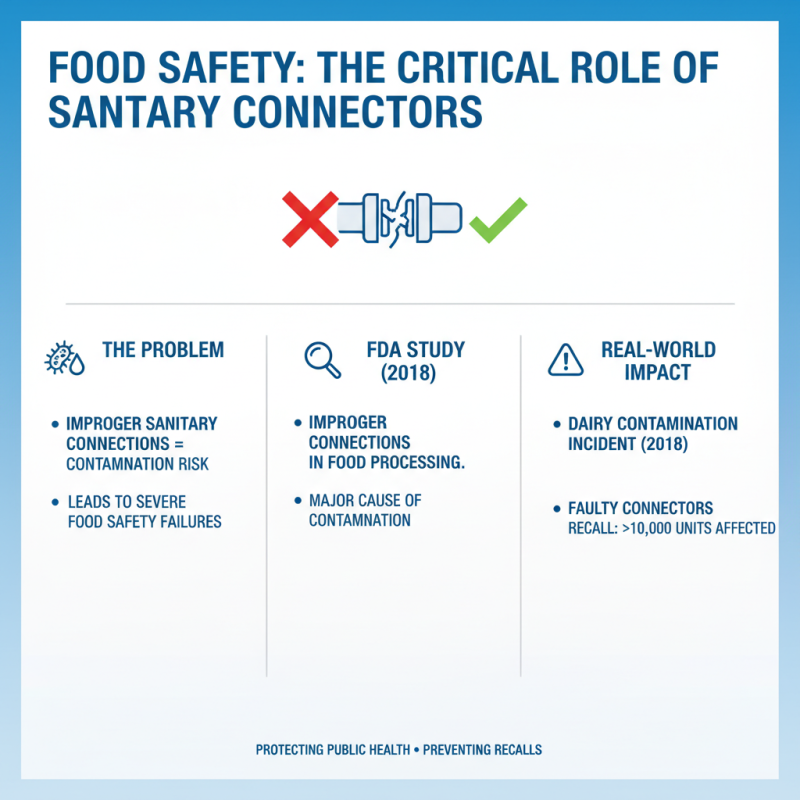
Poor sanitary connector practices can lead to severe food safety failures. A 2018 study from the FDA found that improper connections in food processing often led to contamination. In one notable case, a facility contaminated its dairy products due to faulty connectors. This incident resulted in a recall affecting over 10,000 units.
Statistics reveal that 30% of food safety breaches in plants are attributed to inadequate sanitary practices. The connection points are often neglected. To illustrate, an outbreak linked to a meat processing plant was traced back. They used outdated and worn out connectors, which allowed bacteria to thrive. This led to dozens falling ill.
Challenges persist. Many facilities underestimate the importance of regular inspection and maintenance. A checklist can help, but human error remains a factor. Employees may overlook small leaks or cracks. These minor issues can lead to major consequences. Addressing these problems is not merely about compliance; it's essential for public health.
By continuing to browse or by clicking “Accept All Cookies,” you agree to the storing of first- and third-party cookies on your device to enhance site navigation, analyze site usage, and assist in our marketing efforts. View our Privacy and Cookie Policy.