What is a Rechargeable Lithium Battery and How Does It Work?
Rechargeable Lithium Batteries are vital in today's technology-driven world. They power smartphones, laptops, and electric vehicles, providing convenience and efficiency. Understanding how these batteries work can enhance their usage and longevity.
These batteries utilize lithium ions to store and release energy. Their lightweight design offers advantages over traditional batteries. However, performance may decline over time. Users often overlook proper charging practices, which affects battery health.
As we rely more on Rechargeable Lithium Batteries, it's essential to grasp their mechanics. This knowledge fosters responsible usage and promotes longer battery life. Small changes in how we charge and care for these batteries can make a significant impact. Whether at home or on the go, mindful usage leads to better outcomes.
What Are Rechargeable Lithium Batteries: An Overview of Their Composition
Rechargeable lithium batteries are integral to modern technology. They power everything from smartphones to electric vehicles. Understanding their composition sheds light on their efficiency and performance.
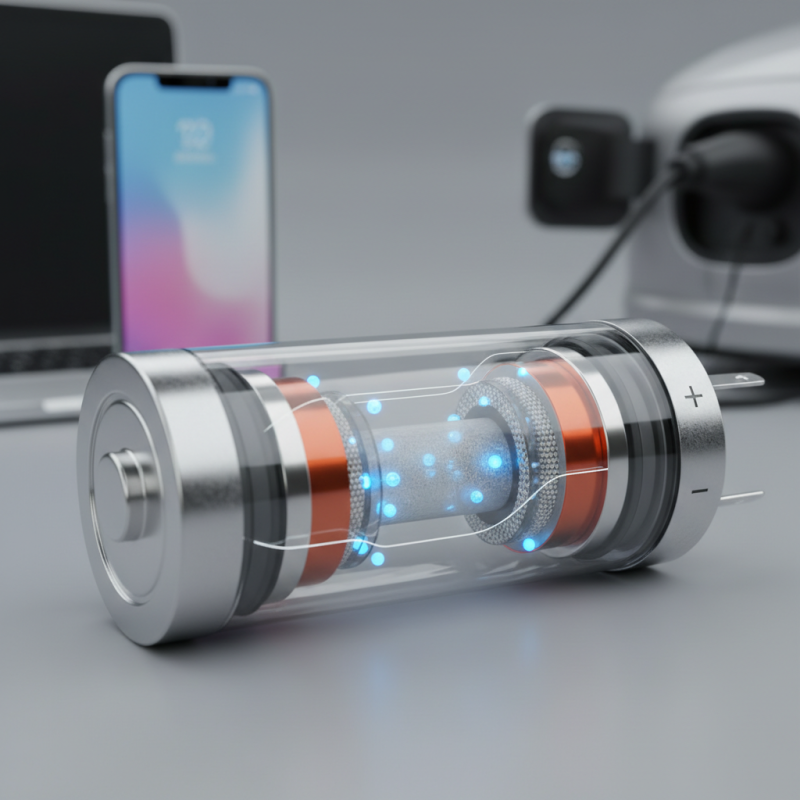
These batteries consist of two electrodes: a cathode and an anode. Generally, the cathode is made of lithium metal oxide, while the anode often uses graphite. The electrolyte is a lithium salt dissolved in a solvent. This combination allows for the movement of lithium ions during charging and discharging. As a result, energy is stored and released efficiently.
Tips: To enhance battery lifespan, avoid fully discharging. Partial charges are healthier. Keep batteries away from extreme temperatures, as heat can degrade performance.
The structure of these batteries can sometimes lead to issues, such as swelling or reduced capacity over time. Regular checks can help identify problems early. Using the right charger is crucial too; not all chargers provide the same output. Choosing wisely ensures consistent performance and longevity. Remember, not all rechargeable batteries are the same. Each has unique properties and ideal uses.
What is a Rechargeable Lithium Battery and How Does It Work? - Overview of Their Composition
| Dimension | Data |
| Cell Voltage | 3.7 V |
| Charging Method | Constant Voltage/Constant Current (CV/CC) |
| Typical Capacity | 500 - 3500 mAh |
| Cycle Life | 300 - 500 cycles |
| Temperature Range | -20°C to 60°C |
| Common Applications | Smartphones, Laptops, Electric Vehicles |
| Energy Density | 150 - 250 Wh/kg |
| Safety Features | PCB, Thermal Cut-Off, Venting |
The Chemical Mechanism: How Lithium-Ion Cells Function in Energy Storage
Lithium-ion batteries have transformed energy storage technology. At the heart of these batteries lies a fascinating chemical mechanism. When charged, lithium ions move from the positive electrode through the electrolyte to the negative electrode. This process utilizes intercalation, where lithium ions insert themselves between layers of graphite. The reverse occurs during discharge, generating electric current.
The efficiency of lithium-ion cells is remarkable. Research from industry leaders shows they can achieve energy densities of over 250 Wh/kg. This means they store significant amounts of energy in a relatively small and lightweight package. However, these batteries also have limitations. Overcharging can lead to overheating and decreased lifespan. A 2022 report highlighted that around 20% of lithium-ion batteries experience capacity fade after only a few hundred charge cycles.
Despite advances, the recycling of lithium-ion batteries remains a challenge. Currently, only 5% to 10% of battery materials are recycled effectively. This inefficiency demands innovation and safer disposal methods. Adopting better practices is essential for sustainability in tech. Achieving higher efficiency in charging cycles is ongoing research, but the path forward is complex. Balancing energy needs and environmental impact requires careful consideration.
Energy Storage Capacity of Different Lithium-Ion Cell Types
Advantages of Lithium Batteries Over Other Rechargeable Technologies
Lithium batteries are recognized for their superior performance compared to other rechargeable technologies. They typically have higher energy density, allowing them to store more energy in less space. According to the U.S. Department of Energy, lithium-ion batteries can deliver up to 250 Wh/kg, significantly outperforming lead-acid batteries, which average about 30-50 Wh/kg. This efficiency makes lithium batteries ideal for portable electronics and electric vehicles.
Another major advantage is the longer cycle life. Lithium batteries can endure approximately 2,000 charge cycles before their capacity diminishes significantly. This contrasts starkly with nickel-cadmium batteries, which may last only 1,000 cycles. Extended lifespan translates to reduced replacement costs, benefiting both consumers and manufacturers. However, there are concerns regarding safety. Improper handling can lead to thermal runaway, potentially causing fires. This risk, while relatively rare, requires careful consideration in design and usage.
Moreover, lithium batteries can perform well across various temperatures. They exhibit stable discharge rates, ensuring consistent power output. This adaptability is crucial in applications ranging from electric vehicles to renewable energy storage. Nonetheless, the environmental impact of lithium mining raises important questions. The industry must find sustainable solutions to balance growth and ecological responsibility.
Industry Applications: Where Rechargeable Lithium Batteries Are Used Today
Rechargeable lithium batteries are integral to various industries today. In consumer electronics, they power everyday devices such as smartphones and laptops. These batteries offer a high energy density, allowing for longer usage between charges. Their lightweight design contributes to the portability of devices.
In electric vehicles (EVs), rechargeable lithium batteries play a crucial role. They provide the energy needed for long-distance travel and quick acceleration. Efficient battery management systems ensure optimal performance and longevity. However, challenges remain in terms of recycling and sustainability. Many batteries end up in landfills, raising environmental concerns.
Renewable energy storage is another significant application. These batteries help store excess energy from solar and wind sources. They provide a reliable power supply during peak usage times. Despite advancements, the need for improved safety and lifespan remains a focus. Industry leaders continue to explore new materials and technologies to address these issues.
Future Trends: Innovations and Challenges in Lithium Battery Technology
The future of lithium battery technology is both exciting and complex. Innovations in energy density and charging speed are continuously evolving. New materials, such as solid-state electrolytes, promise increased safety and efficiency. These advancements could lead to batteries that charge in minutes rather than hours. Researchers are also exploring more sustainable raw materials, aiming to reduce environmental impact.
However, challenges remain in scalability and affordability. The manufacturing process is still energy-intensive. This affects overall sustainability goals. Recycling is another significant hurdle, with many batteries ending up in landfills. The technology needs to address these issues to be truly effective. The energy transition relies heavily on addressing these technical limitations. Developers will need to ensure that these innovations are accessible to all.