What is a Pump Valve and How Does It Work?
In various industries, pump valves play a crucial role in fluid control. Understanding how these valves function is essential for effective system management. Pump valves regulate the flow of liquids and gases, ensuring efficient operations in processes ranging from manufacturing to water treatment.
The mechanics behind pump valves are both simple and complex. They usually consist of moving parts that can open or close to control pressure and flow. This functionality is vital in preventing backflow and leaks, which can lead to system failures. For instance, a malfunctioning valve can disrupt entire processes, costing time and money.
Many might not realize the importance of proper maintenance. Without regular checks, pump valves could fail unexpectedly. This highlights the need for expertise in selecting and maintaining these components. Overall, a deeper understanding of pump valves enhances safety and operational efficiency.
What is a Pump Valve?
A pump valve is a crucial component in various fluid management systems. It regulates the flow and pressure of fluids in pumps, ensuring efficient operation. Typically, it consists of a movable element that opens or closes to control fluid movement. Understanding how it works requires a grasp of basic mechanical principles. The valve reacts to pressure changes and adjusts accordingly, maintaining desired flow rates.
Various designs exist for pump valves, including check valves and relief valves. Each type serves a specific purpose and is suited for different applications. For example, check valves prevent backflow, while relief valves help manage pressure buildup. The selection of a pump valve depends on the system's requirements.
However, relying on pump valves can pose challenges. They need regular maintenance to operate effectively. Over time, wear and tear can lead to failures. This necessitates an ongoing assessment of valve performance. Improper installation or selection can result in system inefficiencies, highlighting the need for careful planning. An awareness of these aspects is essential for those involved in fluid management.
Types of Pump Valves and Their Applications
Pump valves are essential components in various systems, controlling the flow of fluids in pumps. Understanding their types and applications is crucial for efficient operation. Different pump valves serve different purposes, and each has unique features suited for specific tasks.
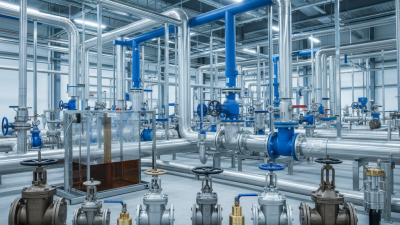
One important type is the check valve. These valves prevent backflow in a system, allowing fluid to flow in one direction. They are commonly used in water and sewage systems. Another significant type is the gate valve. This valve provides excellent sealing abilities and is often used in scenarios where full flow is necessary. Its straightforward design allows for easy maintenance, although it may not handle throttling well.
Diaphragm valves are equally noteworthy. They are used in applications requiring precise flow control. These valves rely on a flexible diaphragm to open and close. They are common in pharmaceutical and food processing industries due to their hygienic properties. Many users struggle with choosing the right type for their needs, highlighting the importance of understanding each valve’s function and potential limitations.
How Pump Valves Function Mechanically
Pump valves play a critical role in fluid systems by controlling the flow of liquids. Mechanically, these valves operate by using various designs such as ball, gate, or check configurations. Each type serves a unique purpose. For example, ball valves offer quick shut-off capabilities, often used in pipelines.
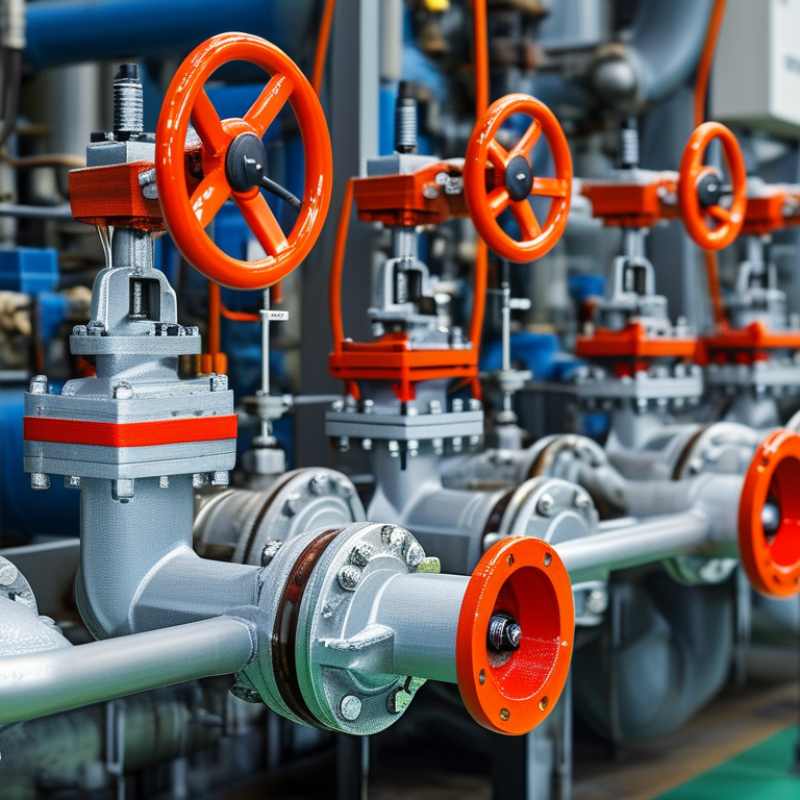
The mechanism typically involves a movable part that interacts with an opening or seat. When the valve is turned or engaged, this part allows or restricts flow. With gate valves, a wedge-shaped element moves up and down. This design provides a tighter seal when closed, but it can be prone to wear over time. Water pressure can lead to wear, creating leaks that require regular maintenance.
In a complex system, understanding how each valve functions is essential. Misalignment or improper installation can lead to failures. Engineers often overlook these small details, but they are crucial for optimal performance. Regular checks on seals and connections can help prevent issues. Knowing when to adjust or replace a valve is key to maintaining fluid integrity and system efficiency.
Common Issues and Maintenance for Pump Valves
Maintaining pump valves is crucial for their efficiency and longevity. Regular inspections can help identify common issues. Leaks and blockages often occur due to wear and tear. Frequent usage can lead to degradation of seals. When this happens, the valve can lose pressure and create inefficiencies. It's important to monitor for these signs early.
Routine maintenance can prevent significant problems. Cleaning the valve and ensuring it operates smoothly is essential. Accumulated debris can cause valves to stick. This can lead to increased wear or even failure. Consider lubricating moving parts regularly. It can extend the lifespan of your pump valve significantly.
Even with proper maintenance, problems may arise unexpectedly. Be prepared to troubleshoot minor issues as they occur. Observe any unusual sounds or performance drops. Keeping a maintenance log can help identify patterns in valve failure. Addressing these issues proactively can save time and money in the long run.
Impact of Pump Valves on Fluid Dynamics
Pump valves play a crucial role in fluid dynamics. They control the flow and direction of fluids in various systems. The presence of a pump valve can significantly affect pressure and flow rate. When a pump valve opens, fluid can move freely, enabling efficient flow. Conversely, when closed, it restricts movement, which can cause pressure buildup.
Understanding the impact of pump valves is vital. Mismanagement can lead to inefficient systems. For instance, a valve that doesn't fully close may cause leaks and waste energy. This inefficiency not only affects the pump but can also damage equipment linked to it. It's essential to regularly check the condition of pump valves. Look for signs of wear and tear and address them promptly.
Monitor your system's flow rates. Slight deviations can indicate potential issues with the pump valves. While they might function correctly at first, regular maintenance is key. Keep in mind that even small changes can lead to larger problems later on. Stay proactive, ensuring that your pump valves are always in optimal condition to maintain smooth operations.
What is a Pump Valve and How Does It Work? - Impact of Pump Valves on Fluid Dynamics
| Valve Type |
Functionality |
Applications |
Impact on Fluid Dynamics |
| Check Valve |
Prevents backflow in a piping system |
Water supply, HVAC systems |
Maintains unidirectional flow, reducing turbulence |
| Globe Valve |
Regulates flow using a movable disk |
Oil & gas, chemical processing |
Offers fine control, but can cause pressure drop |
| Ball Valve |
Allows or stops flow using a spherical disc |
Water distribution, gas supply |
Minimal pressure loss, quick operation |
| Butterfly Valve |
Controls flow with a rotating disc |
Water treatment, fire protection |
Efficient for large volumes, but can create turbulence |
| Gate Valve |
Fully opens or closes flow with a sliding gate |
Municipal water systems, irrigation |
Provides a straight flow path, reducing resistance |