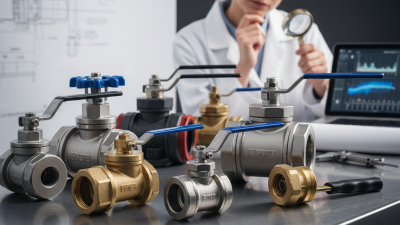
Choosing the right ball valves can be a daunting task. With numerous options available, it’s crucial to understand the specifics. These valves play a vital role in various applications, from plumbing to industrial uses.
When selecting ball valves, consider the material and size. The wrong choice can lead to leaks or failures. Details matter; the right valve can enhance efficiency significantly. A small mistake can create bigger issues.
Take your time to assess your needs carefully. Match the valve’s specifications with system requirements. Don't rush into a decision. Reflect on what works best for your situation. In the end, choosing suitable ball valves is essential for reliability and performance.
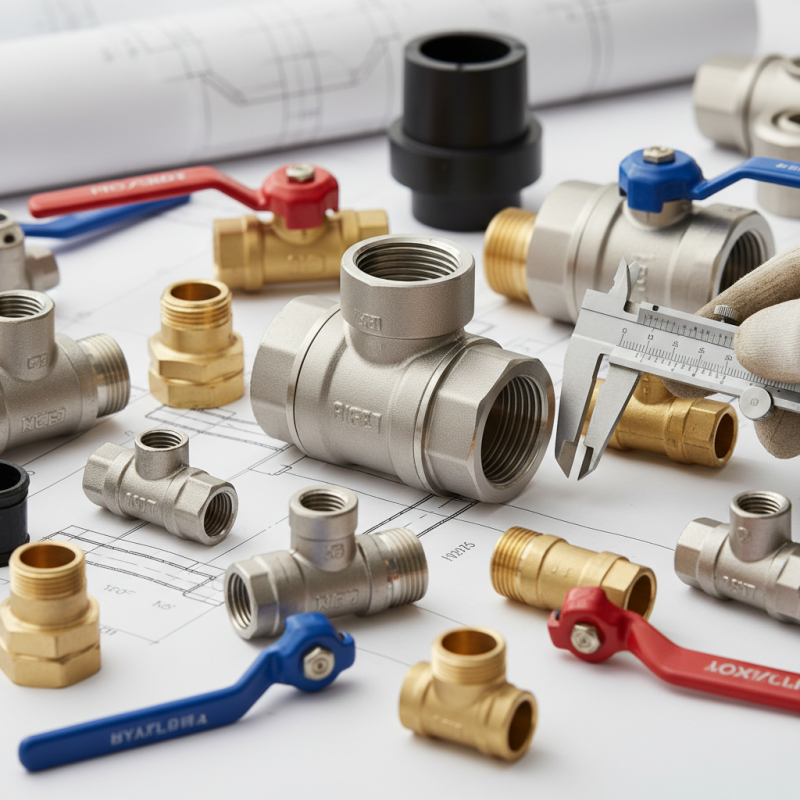
Ball valves are crucial components in many fluid systems. Understanding their basic functionality helps in making informed decisions. These valves control fluid flow effectively with a simple 90-degree turn of the handle. Their design features a hollow, perforated ball that allows for easy on/off control. In fact, ball valves have a low flow resistance, making them ideal for high-flow applications.
According to industry reports, ball valves account for about 25% of the global valve market. Their popularity stems from their durability and reliability. However, not all ball valves are created equal. The materials used in construction can vary significantly. For example, corrosion-resistant materials are necessary for harsh environments. This can increase both performance and lifespan. Yet, many users overlook this aspect.
Choosing the right valve also requires understanding pressure ratings. Many users don't realize that exceeding these ratings can lead to failure. In fact, improper selection is a common mistake. This can cause safety risks and operational inefficiencies. It's essential to assess your specific needs. Each application may demand unique specifications, making informed choices crucial for safety and performance.
When selecting ball valves, understanding the types available is crucial. There are three main types: floating ball, trunnion-mounted, and three-piece valves. Floating ball valves are commonly used for lower pressure applications. They offer great sealing capabilities and are simpler in design. They are widely used in water treatment and HVAC systems. The global ball valve market is expected to reach USD 16.3 billion by 2027, reflecting their significance across industries.
Trunnion-mounted ball valves are designed for high-pressure and high-temperature applications. They provide a reliable seal and are common in oil and gas extraction. Their structure allows for reduced torque, making operation easier. According to a report by Research and Markets, the oil and gas sector accounts for nearly 45% of the ball valve demand. Three-piece ball valves can be easily maintained. They are versatile and commonly used in food processing and pharmaceuticals.
Choosing the right valve can be complicated. The application's specific requirements may not always align with available options. Data suggests that 15% of users report issues with leakage in improper selections. Understanding pressure range, media type, and temperature become essential in avoiding these problems. A lack of detailed analysis can lead to costly repairs and operational downtimes. Balancing these factors is critical for an effective selection process.
| Type of Ball Valve | Material | Size Range (Inches) | Pressure Rating (PSI) | Applications |
|---|---|---|---|---|
| Floating Ball Valve | Brass | 1/4 to 4 | 150 | Water, Oil, Gas |
| Trunnion Mounted Ball Valve | Carbon Steel | 2 to 36 | 600 | Oil & Gas, Chemical Processing |
| Motorized Ball Valve | PVC | 1/2 to 2 | 150 | HVAC, Water Treatment |
| Full Port Ball Valve | Stainless Steel | 1 to 12 | 3000 | Food Processing, Pharmaceuticals |
When selecting the right ball valve, there are key factors you should consider. First, think about the material of the valve. Common materials include brass, stainless steel, and PVC. Each one offers different levels of durability and resistance to corrosion. A stainless steel valve may be ideal for high-pressure applications, while PVC could suit less demanding environments.
Next, consider the size and pressure rating. Measure the pipe diameter to ensure a proper fit. An improperly sized valve can lead to leaks or inefficiencies. Be mindful of the flow requirements too. A larger valve might be better for high flow rates. However, it can create challenges in controlling smaller flows effectively.
Don’t forget about the valve operation type. Manual valves require physical effort to open or close. Automated options can provide convenience but may involve higher costs and maintenance. Think about your specific needs. It's essential to balance cost with functionality, making sure you don’t overspend on features you might not use. A careful evaluation may reveal areas for improvement in your selection process.
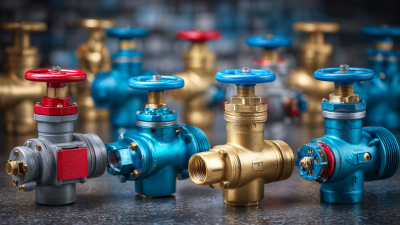
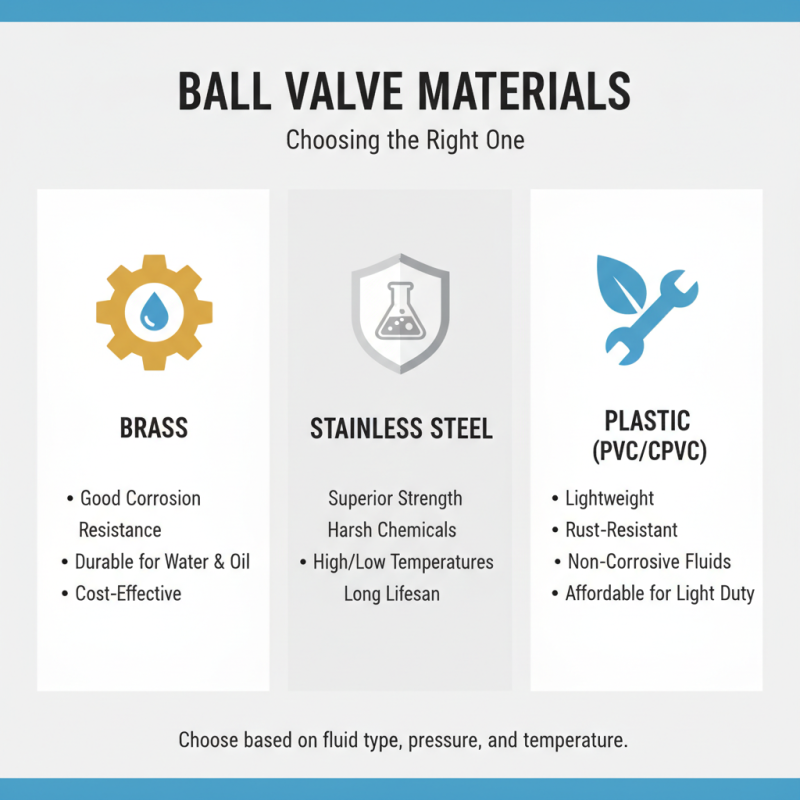
Choosing the right material for ball valves is crucial. The material impacts performance, durability, and compatibility with fluids. Common options include brass, stainless steel, and plastic. Each material has unique properties. Brass offers good corrosion resistance. Stainless steel is robust, ideal for harsh conditions. Plastic is lightweight and rust-resistant.
When selecting a material, consider the application. For high-pressure environments, steel might be better. In corrosive situations, plastic may not hold up. This choice influences long-term costs. A valve that relies on the wrong material may fail prematurely.
**Tips:** Assess the fluid type. A mismatch can lead to leaks. Also, think about temperature and pressure. Be cautious; sometimes, opting for cheaper options may not be wise. Always balance cost with quality.
Proper installation and maintenance of ball valves ensure optimal performance and longevity. A recent industry report indicates that inadequate installation accounts for nearly 30% of valve failures. It’s crucial to align the valve correctly within the piping system to avoid leaks and pressure loss. Ensure that the valve is oriented properly, with the flow arrow matching the flow direction in the pipe. Over-tightening can damage valve components. Aim for a snug fit, using tools carefully to avoid excess force.
Regular maintenance is equally important. Industry data shows that 15% of ball valves fail due to lack of routine checks. Inspect for signs of wear, corrosion, or build-up. Consider periodic disassembly for cleaning, especially in corrosive environments. Lubrication improves function but must be done sparingly. Too much grease can attract debris, causing more harm than good. Remember, neglecting these simple steps can lead to costly downtime and replacements. Prioritizing installation and maintenance pays off significantly in the long run.
By continuing to browse or by clicking “Accept All Cookies,” you agree to the storing of first- and third-party cookies on your device to enhance site navigation, analyze site usage, and assist in our marketing efforts. View our Privacy and Cookie Policy.