Choosing the right materials for your projects can be challenging. One option to consider is the NBR PVC Rubber Foam Sheet. This material offers a unique blend of properties, making it versatile for various applications. Understanding its characteristics will help you make a more informed decision.
NBR PVC Rubber Foam Sheet is known for its excellent insulation and cushioning properties. It provides good thermal and acoustic insulation. Additionally, it is resistant to oils and chemicals, adding to its durability. However, not all sheets are the same. You should consider thickness, density, and intended use before making a purchase.
Reflecting on your needs is essential. You may find that while this material is effective, it may not suit every application. Investigate the specific requirements of your project. Are you prioritizing insulation or cushioning? These questions will guide you in selecting the right NBR PVC Rubber Foam Sheet.
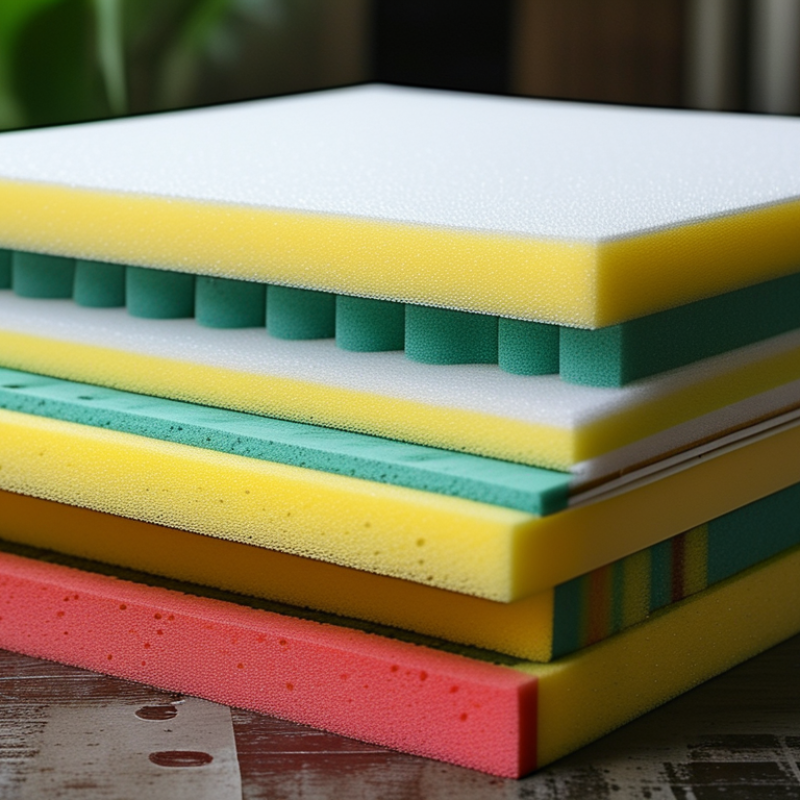
NBR PVC rubber foam sheets are versatile materials used in various applications. Understanding their characteristics is essential for making informed choices. These sheets are known for their excellent cushioning properties, making them ideal for flooring and insulation.
The impressive durability of NBR PVC foam sheets is another key advantage. They resist oils, chemicals, and abrasion. This resilience can be critical in industrial environments. However, users should consider that not all grades offer the same performance. Some may have limitations in temperature resistance. It's important to test samples before committing to large orders.
Weight and thickness can vary significantly, which affects usability. Thinner sheets are suitable for lightweight applications. However, thicker sheets provide enhanced sound insulation and thermal resistance. Analyzing your specific needs will help in selecting the right thickness. Always measure and evaluate your space properly before purchase.
When choosing NBR PVC rubber foam sheets, assessing your specific application needs is crucial. Different applications require distinct properties. For example, thermal insulation, sound dampening, or cushioning effects may all rely on foam characteristics. According to a recent industry report by Technavio, the foam market is expected to grow by 4% annually. This trend suggests that businesses prioritize tailored solutions.
Consider the environment in which the foam will be used. Will it encounter extreme temperatures or chemical exposure? Understanding these conditions helps in selecting materials with optimal resistance. Some NBR PVC foam sheets are designed for high compression applications, while others excel in flexibility. Evaluating all these factors ensures you choose the correct type for your needs.
Tips: Always test samples before making a large purchase. This step can reveal how the material performs in real-world conditions. Also, keep in mind that not all foam sheets are created equal. Variable quality exists, and conducting supplier research is essential. A reputable source can provide insight into durability and longevity—key components of a wise investment in foam materials.
Choosing the right NBR PVC rubber foam sheet is crucial for various applications. Evaluating thickness and density options plays a significant role in achieving optimal performance. According to industry reports, the density of foam can influence its insulating properties, mechanical strength, and durability.
Thickness is another vital consideration. A thicker sheet generally offers better insulation and impact resistance. For instance, sheets with a thickness ranging from 6mm to 12mm are commonly recommended for industrial applications. These specifications can provide sound dampening and temperature regulation, which are essential in construction and manufacturing settings. Interestingly, users often overlook how these measurements directly impact the foam’s flexibility and compressibility.
It’s essential to recognize that not all applications require high-density materials. In some cases, a lower density option may mitigate costs without compromising functionality. However, one must carefully assess the potential trade-offs, such as reduced thermal resistance. Exploring reports from the International Rubber Research and Development Board can offer further insights into the performance metrics of various densities. Ultimately, selecting the correct thickness and density will depend on specific application needs, alongside a thorough analysis of potential performance outcomes.
Selecting the right NBR PVC rubber foam sheet requires careful consideration of various cost factors. Industry reports indicate that material quality significantly affects pricing. For instance, premium-grade NBR foam generally incurs higher costs. According to a recent market analysis, the price range for NBR PVC foam sheets varies from $0.50 to $2.00 per square foot, depending on thickness and quality. Budget constraints often lead buyers to compromise on quality, which can impact performance.
When budgeting, it's essential to consider not only the upfront costs but also long-term savings. High-quality materials often lead to lower maintenance and replacement costs. A report by the Polymer Industry Association emphasizes that durable materials can save up to 30% in lifecycle costs. Additionally, understanding specific application needs helps optimize spending. For instance, sheets used for soundproofing or thermal insulation may justify higher initial expenditures if they reduce energy costs over time.
There's also a need for reflection here. Buyers may overlook hidden costs, like installation or shipping. These expenses can pile up quickly, leading to budget overruns. It's vital to get multiple quotes and factor in all associated costs. Balancing quality with budget considerations can be a challenge, but informed decisions can yield better outcomes.
When choosing the right supplier for NBR PVC rubber foam sheets, quality is paramount. The global NBR foam market was valued at approximately $2.2 billion in 2022. This reflects a growing demand for high-performance materials that meet specific industrial needs. Suppliers with a proven track record often offer better consistency in material properties, such as tensile strength and thermal stability.
Look for suppliers that prioritize quality assurance and testing. Suppliers that conduct rigorous quality checks can provide certifications that demonstrate compliance with industry standards. Reports suggest that less than 20% of suppliers fully comply with ISO standards for quality management. This highlights the importance of diligence when selecting a partner.
Additionally, consider the supplier’s experience in your specific application area. Those with decades in the field can often provide insights that newer companies cannot. They may also offer customized solutions tailored to your requirements. A conversation with their technical team can reveal their depth of understanding. However, some suppliers may still struggle with innovation. It’s crucial to find those who invest in research and development. Remember, a knowledgeable supplier can significantly impact your end product's performance.
This chart illustrates the factors influencing the selection of NBR PVC rubber foam sheets, highlighting key criteria such as Durability, Cost Effectiveness, Elasticity, and Thermal Insulation.
By continuing to browse or by clicking “Accept All Cookies,” you agree to the storing of first- and third-party cookies on your device to enhance site navigation, analyze site usage, and assist in our marketing efforts. View our Privacy and Cookie Policy.