
A Foot Heel Massager is a compact device designed to stimulate the heel, arch, and surrounding plantar tissues. It may use rolling nodes, vibration, air compression, heat, or a combination of these features. The goal is simple: provide controlled pressure after long hours of standing, walking, or training.
The market is expanding. Grand View Research estimated the global massage equipment market at USD 8.95 billion in 2022, with an expected compound annual growth rate of 8.5% from 2023 to 2030. Meanwhile, the American Podiatric Medical Association continues to emphasize the importance of supportive footwear and routine foot care. These trends explain why home foot-recovery devices are gaining attention, although popularity does not prove every product works equally well.
Podiatric surgeon Dr. Jacqueline Sutera has described the feet as “the foundation of the body.” That foundation absorbs repeated impact, often quietly. A Foot Heel Massager imitates some hands-on massage techniques by applying rhythmic pressure to sensitive areas. Some users notice warmth and temporary relief within minutes. Others may feel excessive pressure, tingling, or discomfort.
That difference matters.
A massager is not a diagnosis. It cannot correct a fracture, infection, nerve disorder, or persistent heel pain. The device should feel supportive, not painful. Users with diabetes, reduced sensation, circulation problems, or recent injuries should seek professional advice before use. This guide examines how these mechanisms work, what evidence suggests, and where marketing claims may overreach. The technology is promising, but it is not magic.
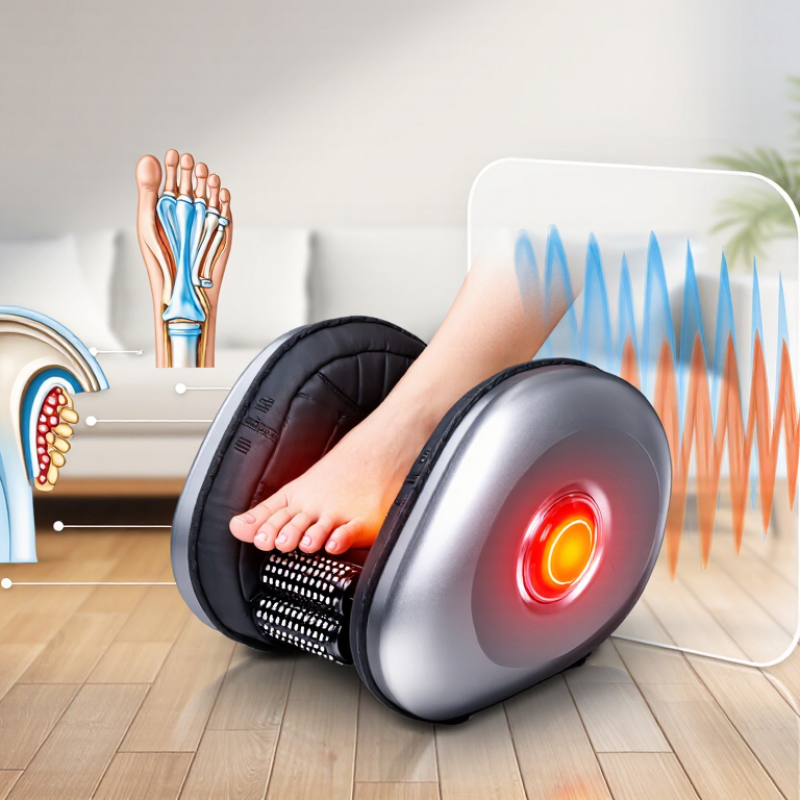
What Is a Foot Heel Massager and How Does It Work?
A foot heel massager is a handheld or electric device designed to stimulate the heel, arch, and surrounding soft tissue. It may use rolling nodes, vibration, air compression, or gentle heat. The purpose is simple: reduce temporary discomfort, relax tight muscles, and support circulation after standing, walking, or exercise.
The American Podiatric Medical Association reported that 77% of surveyed adults had experienced foot pain. That figure shows why home-care tools attract attention. However, a massager does not correct every cause of heel pain. Tight calf muscles, plantar fascia irritation, unsuitable footwear, and injuries may need different care. A systematic review in the Journal of Foot and Ankle Research found that massage-based treatments may improve short-term plantar heel pain, but the evidence remains limited and varied. It is not a magic cure. I would be cautious about calling it one.
Tips: Begin with five minutes on a low setting. Keep the pressure comfortable, especially around a tender heel bone. Stop if numbness, sharp pain, swelling, or skin irritation appears. Avoid heat on areas with reduced sensation. People with diabetes, circulation problems, or persistent pain should seek advice from a qualified healthcare professional before use. A massager can support comfort, but it should not replace diagnosis or rehabilitation.
A foot heel massager combines several working parts. The foot cradle holds the heel and limits unwanted movement. Textured rollers press against the arch and heel pad. Some models add air chambers around the sides. These chambers inflate and release, creating rhythmic compression. A small motor may provide vibration or rolling motion. Heating elements warm the contact surface, but heat is optional. It does not automatically improve the massage.
The American Podiatric Medical Association reported that 77% of surveyed adults had experienced foot pain. That finding helps explain consumer interest in home massage devices. Industry research from Grand View Research also identifies growing demand for personal foot-care products. During practical use, rolling works best with slow, moderate pressure. Kneading can target the arch, while compression surrounds the heel like a gentle sleeve. Short sessions are usually easier to judge. Pressure matters. Pain is not proof of effectiveness.
A useful routine starts with two minutes of gentle rolling. Then, increase compression briefly if the heel feels comfortable. Keep the foot centered, especially when the rollers move beneath the plantar fascia. Avoid placing weight on the device unless its instructions allow it. People with reduced sensation, open wounds, circulation problems, or persistent heel pain should seek professional advice first. Heat can feel soothing, yet it may hide excessive pressure. The fit is not always perfect. Device claims also need careful reflection, because a massager can support relaxation without correcting the underlying cause of heel pain.
What Is a Foot Heel Massager and How Does It Work?
A foot heel massager uses rollers, air cushions, vibration, or gentle heat. Its action starts with contact. You place the heel inside the support area, then select a low setting. Rollers press along the sole, while air chambers may squeeze the sides. This pressure stimulates sensory nerves and may temporarily reduce the feeling of tightness. Heat can make the area feel more comfortable, but it does not repair injured tissue. The mechanism is simple, not magical.
Step by step, the device first distributes pressure across the heel. Next, moving parts knead the plantar soft tissue near the arch and heel pad. This movement may encourage short-term relaxation and improve comfort after standing or walking. The National Center for Complementary and Integrative Health notes that massage benefits vary by condition, and evidence remains limited for some pain problems. That uncertainty matters. Relief is not proof of healing.
Safety changes the process. Stop if you feel sharp pain, numbness, burning, or skin irritation. The International Diabetes Federation’s Diabetes Atlas, 10th edition, estimated 537 million adults had diabetes in 2021. Diabetes-related nerve damage can reduce pain awareness. The CDC’s National Diabetes Statistics Report, 2024, estimated 38.4 million Americans had diabetes. People with reduced sensation, circulation problems, open wounds, or unexplained heel pain should seek professional guidance before using strong pressure. A gentle setting is usually wiser than chasing intensity.
A foot heel massager generally works through a sequence of positioning, air compression, kneading or rolling, vibration, and optional heat. The chart shows a representative 20-minute session; exact timing and intensity vary by device and user settings.
A foot heel massager is a handheld or powered device designed to stimulate the heel, arch, and sole. It may use rotating rollers, gentle kneading, vibration, or air compression. Some models also provide mild warmth. These actions apply controlled pressure to soft tissues around the foot. The pressure can feel similar to a careful massage after a long day of standing.
Regular, gentle use may help reduce the feeling of tightness in the arch and heel. It can also encourage relaxation after walking, exercise, or prolonged work. Some people notice less stiffness when they use a massager before bedtime. Others prefer a short session in the morning. The result varies.
Comfort is the main realistic benefit. A massager does not correct every cause of heel pain. Plantar fascia irritation, tendon problems, nerve symptoms, and injuries may need different care. It is easy to expect too much from a small device. Pressure should feel soothing, not sharp or bruising. Start with five to ten minutes and use a low setting. The foot may feel sensitive at first.
People with reduced sensation, diabetes, circulation problems, open wounds, or unexplained swelling should seek medical advice before use. Stop if numbness, burning, increased pain, or skin changes appear. A healthcare professional can help identify the cause of persistent heel discomfort and decide whether massage is appropriate.
A foot heel massager applies pressure, movement, vibration, or warmth around the sole and heel. Manual rollers use ridges that you control with body weight. Electric models may combine kneading heads, air compression, and adjustable heat. These actions can temporarily relax tight muscles and improve comfort after standing or walking. They do not repair damaged tissue or treat the cause of persistent heel pain.
Safe use starts with a gentle setting. Keep sessions short, usually 10 to 15 minutes, and stop if you feel sharp pain, tingling, swelling, or skin irritation. Check your feet before and after use. This matters if sensation is reduced. People with diabetes, poor circulation, nerve problems, open wounds, infection, recent injury, or unexplained swelling should ask a healthcare professional first. Heat requires extra care because numb skin may not detect burns. Avoid sleeping while the device operates.
Selection depends on your actual needs, not the largest number of features. Choose a stable design with comfortable pressure, simple controls, an automatic shutoff, and washable contact surfaces. The heel opening should fit without squeezing the ankle. I once assumed stronger pressure meant better relief, but that is not always true. Mild, consistent massage may suit sensitive feet better. Read the instructions carefully, and treat marketing promises with healthy skepticism. A massager can support relaxation, yet recurring morning pain or worsening symptoms deserve professional assessment.
| Massager Type | How It Works | Common Uses and Potential Benefits | Safe-Use Considerations | Important Selection Factors |
|---|---|---|---|---|
| Manual Roller | Ridges, balls, or rotating rollers apply direct pressure as the foot moves over the surface. | May help relieve temporary foot tightness and provide localized stimulation without electricity. | Begin with light pressure and short sessions. Stop if sharp pain, numbness, bruising, or skin irritation occurs. | Check roller texture, stability, ease of cleaning, and whether the shape supports both the arch and heel. |
| Massage Ball | A firm or textured ball targets specific areas through controlled body weight and rolling movement. | Useful for focused self-massage of the heel, arch, and sole after standing, walking, or exercise. | Use a wall or chair for balance if needed. Avoid pressing directly on open wounds, inflamed skin, or areas with reduced sensation. | Choose firmness according to comfort, with a non-slip surface and a diameter that allows controlled movement. |
| Manual Footboard | A contoured board uses raised nodes or textured surfaces to distribute pressure across the sole. | Can provide broad stimulation for the sole and may be convenient for short standing sessions. | Stand near a stable support and keep sessions gentle. Do not use if balance is poor unless supervised. | Look for a wide, non-slip base, rounded nodes, suitable surface height, and a design that feels stable underfoot. |
| Vibration Massager | An electric motor produces oscillating movement that transfers vibration to the heel and sole. | May promote a temporary feeling of relaxation and reduce the perception of everyday foot fatigue. | Start at the lowest setting and follow the instructions. Avoid use over painful swelling, recent injuries, or areas with impaired sensation. | Consider adjustable intensity, noise level, grip, power source, automatic shutoff, and accessible controls. |
| Percussion Massager | A motorized head delivers repeated pulses to soft tissue at adjustable speeds or amplitudes. | May help relax surrounding soft tissue, but it is generally better suited to the sole and calf than the bony heel itself. | Use low intensity and avoid bones, the Achilles tendon, visible veins, bruised areas, and inflamed tissue. | Select a low-intensity setting, compact head, comfortable handle, and clear guidance for foot-specific use. |
| Air-Compression Foot Massager | Inflatable chambers rhythmically compress parts of the foot, heel, or ankle. | Can create a gentle squeezing sensation and may be helpful for relaxation after prolonged standing. | Use caution with circulation problems, unexplained swelling, blood-clot risk, or significant numbness. Ask a healthcare professional when appropriate. | Check adjustable pressure, chamber coverage, foot opening, ease of entry, washable liners, and automatic shutoff. |
| Heat- and-Massage Unit | Combines mechanical movement or vibration with warming elements to provide a soothing sensation. | May feel relaxing for tired feet and temporarily ease the sensation of stiffness. | Use moderate heat only. Avoid use with reduced heat sensitivity, open wounds, acute inflammation, or while sleeping. | Prioritize adjustable temperature, independent heat control, automatic shutoff, ventilation, and easy-to-clean materials. |
| Heated Foot Wrap | A flexible wrap warms the heel and surrounding area, sometimes with light compression or vibration. | Provides localized warmth and may be convenient for seated relaxation or recovery routines. | Keep the wrap comfortably loose and inspect the skin frequently. Do not apply heat to a fresh injury or irritated skin. | Evaluate fit, temperature range, fastening method, cord placement, washable covering, and timer function. |
| Manual Acupressure Mat | Multiple small contact points apply distributed pressure when the user stands or steps on the mat. | May provide sensory stimulation and a temporary feeling of foot activation or relaxation. | Wear thin socks initially and use only for a short period. Avoid broken skin, active rashes, and uncontrolled bleeding disorders. | Compare point density, surface material, non-slip backing, cleaning requirements, and the amount of cushioning. |
General safety note: A heel massager is intended for comfort and relaxation, not for diagnosing or treating a medical condition. People with diabetes-related nerve damage, poor circulation, blood-clot concerns, significant swelling, recent surgery, fractures, or persistent heel pain should seek professional advice before use.
By continuing to browse or by clicking “Accept All Cookies,” you agree to the storing of first- and third-party cookies on your device to enhance site navigation, analyze site usage, and assist in our marketing efforts. View our Privacy and Cookie Policy.