How to Choose the Right Waterproof Micro Switch for Your Needs
Choosing the right waterproof micro switch is crucial for various applications. Renowned industry expert, Dr. John McCarthy, emphasizes this point: “Selecting the right micro switch ensures the longevity of your devices.”
Waterproof micro switches are designed to perform in harsh conditions. They resist moisture, dust, and other environmental factors. This makes them ideal for outdoor equipment, automotive applications, and industrial machinery. However, not all switches are created equal. It is essential to consider factors like durability and performance ratings.
Many users overlook these details. They often choose based on price alone, which can lead to failures. A high-quality waterproof micro switch may cost more upfront but offers long-term reliability. Reflecting on user experiences reveals that many regret their choices when they encounter issues down the line. Investing in the right switch is, therefore, not just wise—it's necessary for protection and efficiency.
Understanding the Basics of Waterproof Micro Switches
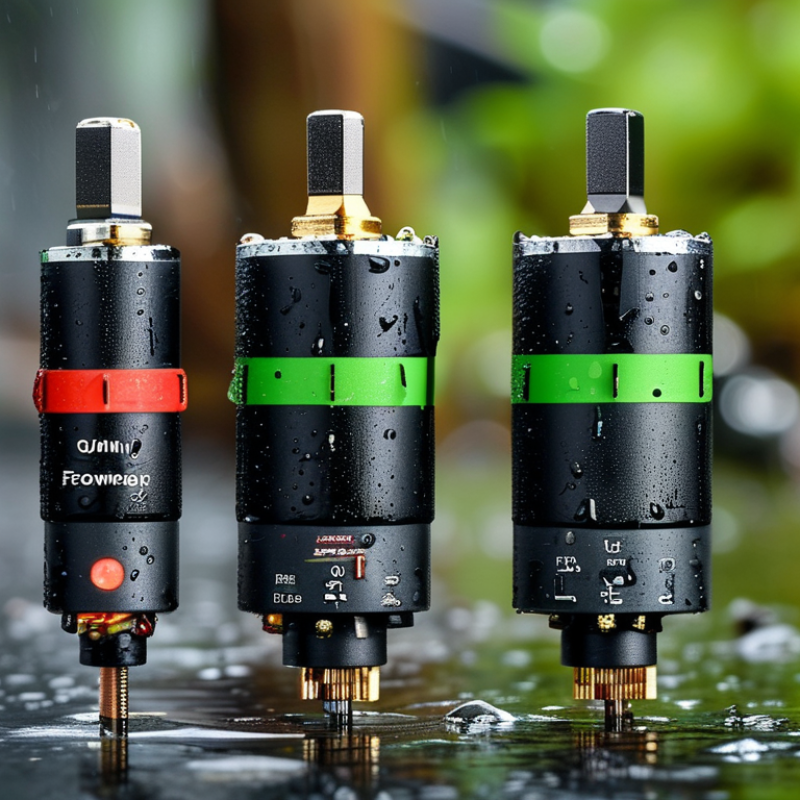
Waterproof micro switches are crucial in various applications, especially where exposure to moisture is common. They are specifically designed to prevent water ingress, ensuring reliability and durability. According to a report from Grand View Research, the global waterproof switch market is expected to reach $1.6 billion by 2028, reflecting their increasing significance in industries like automotive and consumer electronics.
Understanding the basics of waterproof micro switches begins with their construction. These switches often feature sealing gaskets and special coatings to enhance their resistance to water. The ratings on these devices, like IP67 or IP68, indicate their level of protection against dust and water. For instance, IP67 switches can withstand immersion in water up to 1 meter for 30 minutes. Such specifications help in making an informed choice based on the intended environmental conditions.
Tips: When selecting a waterproof micro switch, consider the environmental exposure. Think about factors such as temperature range and potential contaminants. Ensure that the switch meets the necessary certifications for your application. Remember, the right choice can prevent equipment failure and save costs in the long run.
Identifying Your Specific Application Requirements
When selecting a waterproof micro switch, understanding your application's specific requirements is crucial. The environment where the switch will operate plays a vital role. For instance, marine applications often expose switches to saltwater, which can cause corrosion. According to industry reports, nearly 50% of micro switch failures in such environments are due to inadequate sealing. Thus, looking for high ingress protection (IP) ratings is essential. An IP68 rating often indicates that the switch can resist dust and withstand submersion in water.
Operational parameters must also be considered. Factors like current ratings, actuation force, and temperature limits should align closely with your device's requirements. The average lifespan of a micro switch can vary significantly; some can endure over 10 million cycles. However, environments that fluctuate dramatically in temperature may reduce this lifespan. At times, engineers overlook thermal dynamics, which can lead to premature switch failure.
Furthermore, the installation process shouldn't be taken lightly. Improper mounting can compromise the switch's effectiveness. For example, mechanical stresses can adversely affect performance and reduce reliability. A study indicated that 30% of micro switch failures stemmed from poor installation practices. Addressing these considerations upfront can significantly enhance the effectiveness of your micro switch in its intended application.
Evaluating Different Ratings and Standards for Waterproofing
When evaluating waterproof micro switches, understanding ratings and standards is crucial. Common standards include IP (Ingress Protection) ratings. For instance, an IP67 rating signifies that a device is dust-tight and can withstand immersion in water up to one meter for 30 minutes. According to industry reports, about 20% of micro switches fail to meet these ratings in real-world environments.
Additionally, NEMA (National Electrical Manufacturers Association) ratings offer another perspective. NEMA 4X, for instance, indicates resistance to corrosion and is suitable for outdoor applications. A report found that products with NEMA ratings often survive harsher conditions than those rated solely by IP. It highlights the importance of selecting switches according to specific needs, like environmental exposure. Many users overlook these ratings, leading to premature failures.
A good approach is to evaluate testing certifications provided by manufacturers. This gives insights into real-world performance. However, not all certifications are created equal. Research has shown that third-party testing can provide more reliable data than manufacturer claims alone. This difference can impact your decision significantly, especially when the switch is used in critical applications.
Comparing Materials and Design Features of Micro Switches
When choosing a waterproof micro switch, the material and design features play crucial roles. Materials commonly used include stainless steel, which offers excellent corrosion resistance. According to the International Electrotechnical Commission (IEC), stainless steel micro switches can withstand exposure to harsh environments, making them ideal for industrial applications. On the other hand, plastic options provide a lightweight alternative but may lack the durability of metal.
Design features also significantly impact performance. For instance, the actuator type influences how the switch responds to pressure. Different actuators can change the actuation force required. A study by the American Society of Mechanical Engineers noted that an incorrect actuator can lead to premature failure. It is crucial to match the actuator type with the application to avoid operational issues. Additionally, water ingress ratings, such as IP67, should be verified. This rating ensures that the switch can resist water and dust, enhancing reliability in various conditions.
Opting for the right materials and design features requires careful consideration. Evaluating both environmental factors and application needs can help. However, with many choices available, it can be overwhelming. Often, the decision-making process may not yield the ideal result. A detailed review of specifications is necessary to make an informed choice that aligns with performance expectations.
Assessing Durability and Reliability in Harsh Environments
When choosing a waterproof micro switch, durability and reliability are paramount. In harsh environments, these switches face extreme temperatures, humidity, and vibrations. According to a recent industry report, failure rates in poorly chosen micro switches can exceed 30% in rugged conditions. This statistic underscores the need for careful assessment of a switch's material and design.
Temperature ratings are a critical factor. Many waterproof micro switches can operate within a temperature range of -40°C to 125°C. It's essential to evaluate the switch’s ability to perform accurately under these conditions. In addition, ensure that the switch features adequate sealing methods, such as O-rings or gaskets, to prevent water ingress. Research suggests that switches with IP67 ratings or higher have superior resistance to moisture.
Tips: When assessing a micro switch, inquire about its testing standards. Look for certifications like UL or IEC. Check if the manufacturer provides longevity data, as quality switches can last up to 10 million cycles in some applications. Remember, not all micro switches are created equal. Choosing one poorly rated can lead to early failures and costly downtime. Always ask for detailed specifications and never rely solely on promotional materials.
Durability and Reliability of Waterproof Micro Switches in Harsh Environments