
Choosing the right laser cutting machine is crucial for optimal efficiency and quality. The global laser cutting market is projected to reach $5.3 billion by 2026, driven by increased demand for automation and precision. Industries like automotive and aerospace heavily rely on laser cutting technology. A suitable machine can enhance productivity and reduce material waste.
However, selecting the right laser cutting machine can be challenging. Factors such as material type, thickness, and desired accuracy play significant roles. You might find options that cater only to specific materials, which may not suit all projects. Additionally, consider the overall cost, including maintenance and operational expenses.
Many companies overlook essential features, which can lead to dissatisfaction. Think about how often you will use the machine. This reflection will help you avoid under- or over-investing. Balancing your needs with available technology can pave the way for success in laser cutting applications.
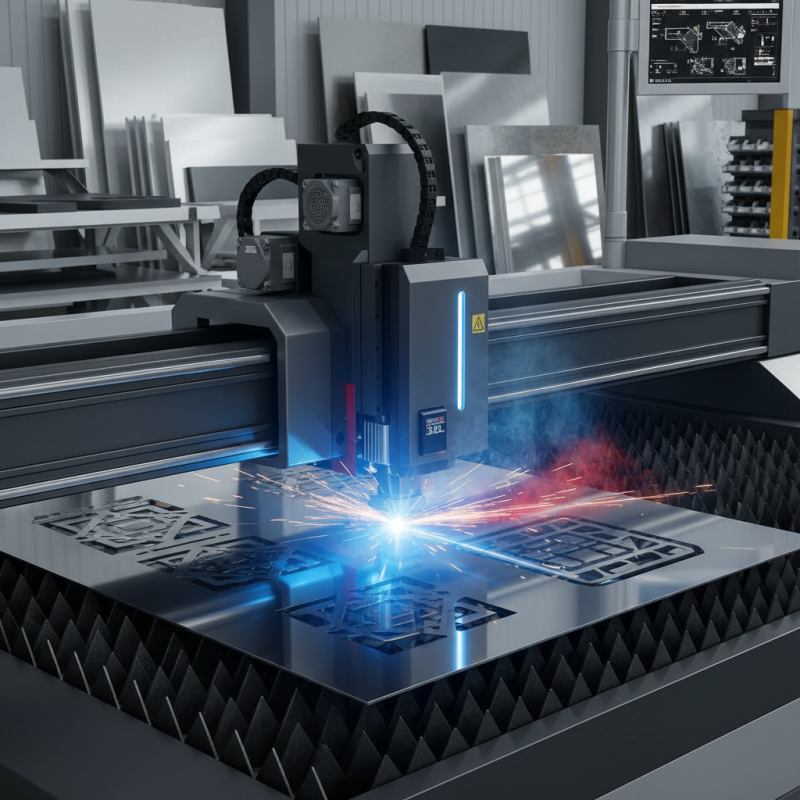
When selecting a laser cutting machine, understanding the different types is crucial. CO2 lasers are popular for non-metal materials like wood, acrylic, and leather. They offer precise cuts and high-quality engravings. However, they struggle with metals. Fiber lasers, on the other hand, excel at cutting metal, making them a good option for industries like manufacturing.
Another type is the diode laser. They are compact and often used for small projects or personal use. Their power is limited, so they may not be suitable for heavy-duty tasks. Additionally, there are UV lasers which provide excellent precision for delicate materials, but they can be expensive.
It's important to consider your specific needs. A machine that works well for one task may not be effective for another. Remember that maintenance and operational costs vary across different machines. Making a hasty decision can lead to regrets later. Think carefully before committing.
Choosing a laser cutting machine requires careful consideration of several factors. Think about the materials you’ll cut. Different machines handle various materials differently. For example, some excel at wood, while others are better suited for metals. Ensure that the machine has capabilities tailored to your needs. If you often switch materials, invest in a versatile option.
Next, consider the machine’s power. Higher wattage generally means faster cutting speeds and thicker materials. However, too much power can overcut or waste resources. It's crucial to find a balance. Also, think about the size of your workspace. Compact machines save space but limit the size of your projects. Evaluate your workflow and anticipated projects before making a decision.
Finally, look into the machine’s ease of use and maintenance. A user-friendly interface saves time. Maintenance can often be overlooked, but it’s essential. A complicated machine might be burdensome in the long run. Reflect on how often you’ll use the machine and your technical expertise. Ensure that the choice aligns with your skills and the sustainability of your production needs.
When selecting a laser cutting machine, power and speed are crucial factors. Power directly influences the cutting ability. Higher wattage allows for cutting through thicker materials. However, excess power can also lead to burn marks and material damage. Finding the right balance is essential.
Speed is another consideration. Faster speeds can increase productivity, but may sacrifice cutting quality. Different materials react differently to speed settings. For instance, cutting metal often requires slower speeds for a clean edge. Experimentation may be necessary to achieve the best results.
Potential mistakes often arise in estimating power needs. Choose too weak a machine, and you'll struggle with thicker materials. Select one that's too powerful, and you risk wasting energy and money. Regular adjustments based on project requirements can lead to better outcomes. Keep an eye on both speed and power – it’s a delicate dance.
Choosing the right laser cutting machine involves understanding material compatibility. Different materials respond uniquely to laser cuts. For instance, wood cuts cleanly but can burn if settings are incorrect. On the other hand, metals may require higher power settings to achieve the desired results.
Material thickness also matters. Thicker materials demand more powerful machines, which can increase costs. Transitioning between materials can lead to mistakes. A machine that works well for acrylic may struggle with fabric. Close attention to each material’s properties is essential.
Troubleshooting is part of the process. You may find that your first cuts are not perfect. Adjustments in speed, power, and focus can make a big difference. Over time, you’ll learn what works best for each material. The journey involves experimentation and sometimes frustration, but that's how you improve.
When budgeting for laser cutting equipment, consider both initial costs and ongoing maintenance. Initial prices for laser cutting machines can range widely, typically starting at around $3,000 for entry-level models and going up to $100,000 or more for industrial-grade systems. Reports indicate that understanding these costs can help avoid unexpected expenses later.
Maintenance isn't free either. Regular upkeep, such as lens cleaning and software updates, is crucial. Neglecting these tasks can lead to costly repairs. Research suggests that maintenance costs can account for about 10-20% of the total operation costs annually. This is a significant factor in long-term budgeting.
Tip: Always set aside a portion of your budget for unexpected repairs. A cushion of around 5-10% of your initial investment may help.
Additionally, consider energy consumption. High-powered lasers might lead to increased electricity bills. Some companies report energy costs rising by 15-25% after installing new equipment. Conducting a thorough analysis can save a lot in the long run.
Tip: Compare energy efficiency between models. Investing in a machine with lower operational costs may be more beneficial.
By continuing to browse or by clicking “Accept All Cookies,” you agree to the storing of first- and third-party cookies on your device to enhance site navigation, analyze site usage, and assist in our marketing efforts. View our Privacy and Cookie Policy.