How to Choose Plug Valves for Your Industrial Applications?
Choosing the right plug valves for industrial applications is crucial. These valves control the flow of fluids effectively, making them essential in various settings. A well-selected plug valve can enhance operational efficiency.
In the market, options vary. Factors like size, material, and seal type play significant roles in decision-making. Plug valves can be made from metal or plastic, each suited for specific tasks. It's vital to evaluate application requirements carefully.
However, not every choice is perfect. Sometimes, the selected valve may not perform as expected. Installation issues or inadequate compatibility can arise. Evaluating past experiences may help avoid these pitfalls. Making informed decisions about plug valves requires both insight and reflection.
Understanding the Basics of Plug Valves and Their Applications
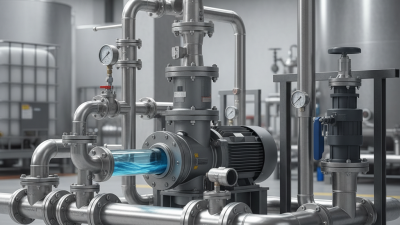
Plug valves are crucial in various industrial applications. They are favored for their ability to provide tight sealing and quick operation. This makes them ideal for controlling flow in pipelines across diverse sectors like oil and gas, water treatment, and chemical processing. According to industry reports, plug valves have a market share of approximately 12% in the global valve market, demonstrating their importance.
Understanding how plug valves work can help in selecting the right type for specific needs. These valves function by rotating a cone-shaped plug within the valve body. This design allows for swift opening and closing, minimizing downtime. Industry data shows that plug valves can handle both high pressure and temperature variations, which is vital in environments where conditions fluctuate significantly. However, they may require occasional maintenance due to wear and tear on the sealing surfaces.
Some users may overlook the fluid compatibility when selecting plug valves. Different materials have varying resistance to chemicals. This oversight can lead to valve failure or shortened lifespan. Additionally, while most plug valves perform well in straight-through flow, they may not be as effective in throttling applications. Hence, considering the specific context of usage is essential for optimizing performance.
Key Considerations for Selecting the Right Plug Valve Size
Selecting the right size for plug valves is critical for efficient operation in industrial applications. Proper sizing can significantly influence flow rates and pressure drops. According to a study, a 1-inch plug valve can handle approximately 10 gallons per minute at a pressure drop of 10 psi. This highlights the importance of understanding the specific requirements of your system.
When choosing the valve size, consider the pipe diameter, flow direction, and medium type. An undersized valve can lead to increased turbulence and inefficient flow. Conversely, an oversized valve may not close properly and can cause leaks. A report from the American Society of Mechanical Engineers indicates that nearly 30% of industrial valve failures arise from improper sizing.
Testing your system with varied sizes may reveal unexpected results. Sometimes, the perfect fit isn’t the most obvious choice. Data suggests that 15% of users overlook the impact of temperature and pressure on valve performance. Understanding these factors can lead to better decision-making. Fostering continuous evaluation and adjustments in your choice of valves can offer significant advantages.
Materials and Construction Types for Industrial Plug Valves
When selecting plug valves for industrial use, material choice is crucial. Common materials include stainless steel, brass, and PVC. Each material offers unique advantages.
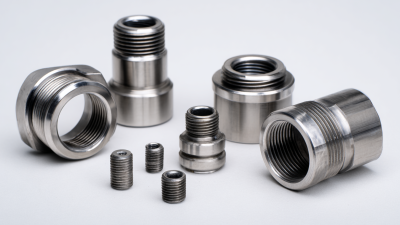
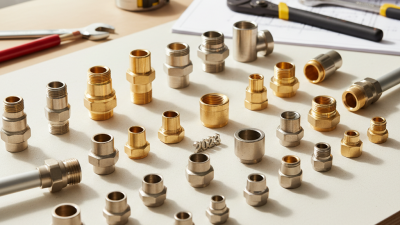
Stainless steel is popular for its durability and resistance to corrosion. Brass is often used in smaller systems and low-pressure applications. PVC is lightweight and resistant to chemicals. However, each material has limitations and may not be suitable for all applications.
The construction type also matters significantly. Full-port and reduced-port designs are common in plug valves. Full-port valves allow maximum flow, reducing pressure drops. Reduced-port valves take up less space but may restrict flow. It's important to consider system requirements. Are you prioritizing flow rate or compact design? These factors will guide your decision.
Another aspect to think about is the valve's maintenance needs. Some materials require more upkeep. For instance, metal valves can corrode over time. In contrast, plastic valves might be less durable but easier to replace. Each choice comes with trade-offs. Evaluating your specific application carefully is essential to avoid future issues.
Pressure and Temperature Ratings: How They Affect Valve Choice
When selecting plug valves for industrial applications, considering pressure and temperature ratings is crucial. Different processes operate under varying conditions. Each valve must withstand specific pressures and temperatures without failure. For instance, a valve rated for high pressure may not perform well at extreme temperatures. This mismatch can lead to leaks or even catastrophic failures.
It’s essential to check the manufacturer's specifications. Not all valves are created equal. A valve designed for utility applications may lack the necessary resilience for harsher environments. Pay attention to the fluid type, as corrosive substances can erode valve material. Reflect on past experiences where inappropriate rating caused issues. Learning from these failures can guide future choices.
Careful selection isn't just about performance. It also involves analyzing the cost of potential downtimes. Sometimes, cheaper valves fail quicker, leading to repairs and replacements. Investing in the right plug valve saves money in the long run. This decision impacts the entire operation, from efficiency to safety. Always prioritize reliability over immediate savings.
Pressure and Temperature Ratings Affecting Valve Choice
Best Practices for Installation and Maintenance of Plug Valves
Proper installation and maintenance of plug valves are crucial for their performance and longevity. Start by ensuring that the valve is clean and free of debris before installation. Check the orientation of the valve; it typically needs to be aligned correctly with the flow direction. When tightening the connections, avoid over-torquing as it may damage the valve seat. Use appropriate tools to ensure a secure fit without compromising the valve's integrity. Leaks can persist from improper fittings, leading to significant operational issues.
Regular maintenance is also essential. Inspect plug valves at scheduled intervals, focusing on the seals and the stem area. Replace worn seals immediately. Lubrication is key; however, avoid over-lubricating, as excess grease may attract dirt and cause issues over time. Monitor their function regularly. If a valve becomes hard to operate, it may be time to reevaluate the installation or the state of the valve itself. Sometimes, an old valve can wear down despite best efforts, reflecting the need for replacements. Addressing these aspects ensures reliable and efficient operation in industrial applications.
How to Choose Plug Valves for Your Industrial Applications? - Best Practices for Installation and Maintenance of Plug Valves
| Dimension |
Recommendation |
Maintenance Frequency |
Common Applications |
| Size (inches) |
2" - 12" |
Annual |
Water Supply |
| Material |
Cast Iron, Stainless Steel |
Every 6 Months |
Oil & Gas |
| Pressure Rating |
150 psi - 300 psi |
Every 3 Months |
Chemical Processing |
| Temperature Range |
-20°F to 300°F |
Annual |
Power Generation |
| Actuation |
Manual, Electric, Pneumatic |
As Needed |
Wastewater Treatment |