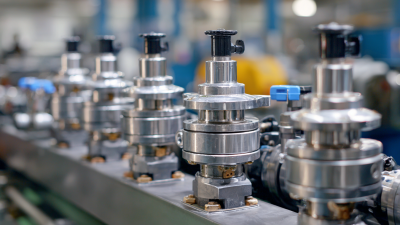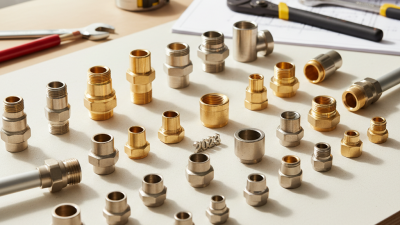
Choosing the right water fittings for your home can significantly impact your plumbing system's efficiency and longevity. According to a report by the Plumbing Manufacturers International (PMI), upwards of 30% of residential water usage can be attributed to outdated fittings. This highlights the importance of selecting high-quality water fittings that not only suit your needs but also conserve water.
Expert Hydraulics Consultant, John Reynolds, states, "The right water fittings can make all the difference between a sustainable home and an inefficient one." His insights underscore the need for homeowners to consider factors such as durability, compatibility, and flow rate when selecting water fittings.
Many people overlook the significance of proper fittings until problems arise. Leaks, low pressure, or frequent repairs can result from poor choices. Water fittings might seem insignificant, yet they are crucial components in a well-functioning plumbing system. Investing in reliable fittings is not just about convenience; it's about ensuring the health and safety of your household water supply.
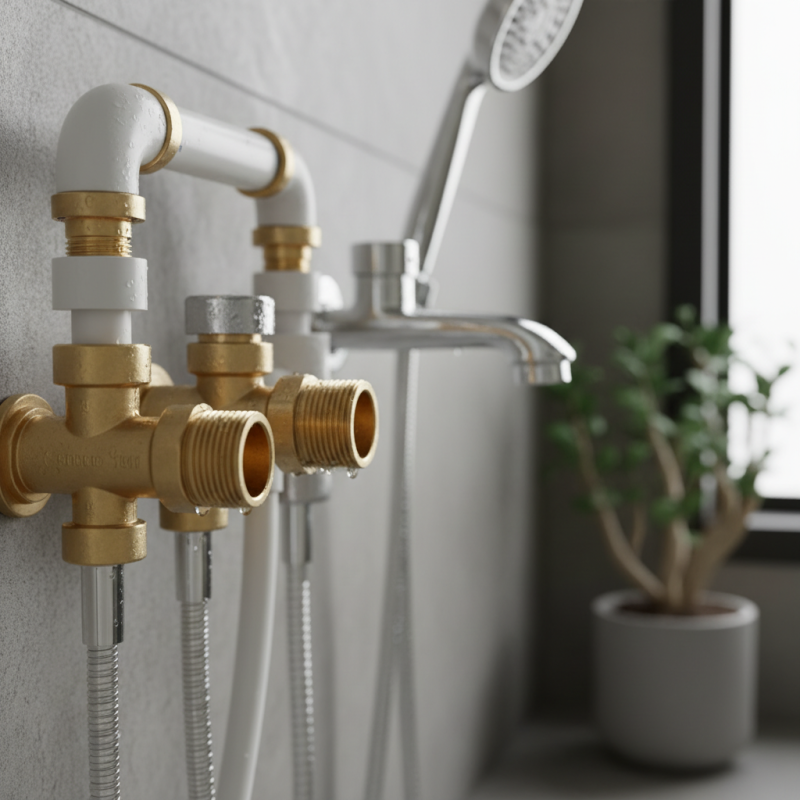
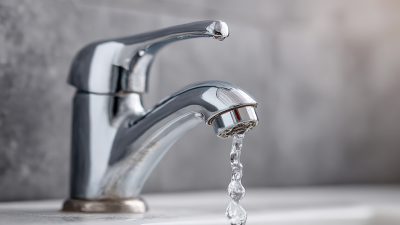
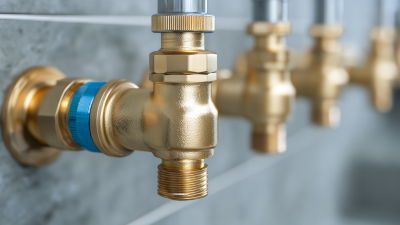
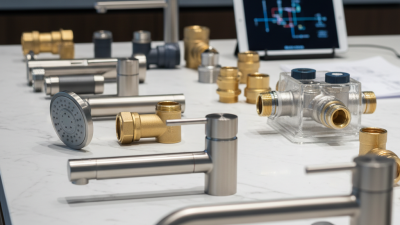
When selecting water fittings for your home, understanding the various types is crucial. Water fittings include faucets, pipes, valves, and connectors. Each type serves a specific function, influencing both performance and efficiency. For example, a well-designed faucet can save water and reduce bills. It's essential to consider the material too. Brass, stainless steel, and plastic can all affect durability and longevity.
Tips: Always check compatibility with existing plumbing. Mismatched fittings can lead to leaks or decreased water pressure. Also, be mindful of installation complexity. Some fittings might look appealing but require professional help to install.
Choosing the right fittings isn’t just about aesthetics. It’s about quality and function. Look for fittings that offer good warranties. A warranty indicates the manufacturer’s confidence in their product. However, not all warranties cover issues related to improper installation. Always assess your skills before committing. Making the right choice can save you time and money in the long run.
| Type of Water Fitting | Material | Application | Advantages | Disadvantages |
|---|---|---|---|---|
| Faucets | Brass, Stainless Steel | Kitchens, Bathrooms | Durable, Corrosion-resistant | Can be expensive |
| Pipes | PVC, Copper | Water Supply, Drainage | Lightweight, Easy to install | PVC may degrade over time |
| Connectors | Brass, Stainless Steel | Joining Pipes | Strong, Leak-resistant | May require adjustable wrenches |
| Valves | Brass, Plastic | Controlling Water Flow | Reliable, Adjustable | Can be difficult to repair |
| Hoses | Rubber, PVC | Washing Machines, Gardens | Flexible, Easy to maneuver | May kink or wear out |
When selecting water fittings, it’s crucial to prioritize their reliability. Quality standards significantly impact the longevity and efficiency of these products. Industry reports show that over 30% of residential plumbing issues stem from subpar fittings. These failures can lead to costly repairs and water damage. It’s essential to choose fittings made from durable materials that meet recognized industry standards.
Tips: Always check for certifications. Look for fittings meeting ASTM or ISO standards. These labels indicate compliance with strict safety and quality guidelines.
Testing the resilience of fittings is equally important. Products should resist corrosion and withstand pressure. Frequent reports indicate that fittings fail when subjected to extreme temperatures or high pressure. A fitting may look good but can falter under real conditions. Real-world testing can reveal hidden flaws.
Tips: Consider the environment before installation. Some areas may require specific fittings due to water quality variations. Consult local plumbing codes to avoid complications.
Ultimately, not all water fittings are equal. Consumer reviews can provide insights into performance. Make sure to research and compare before purchasing. A wise choice today can save significant problems tomorrow.
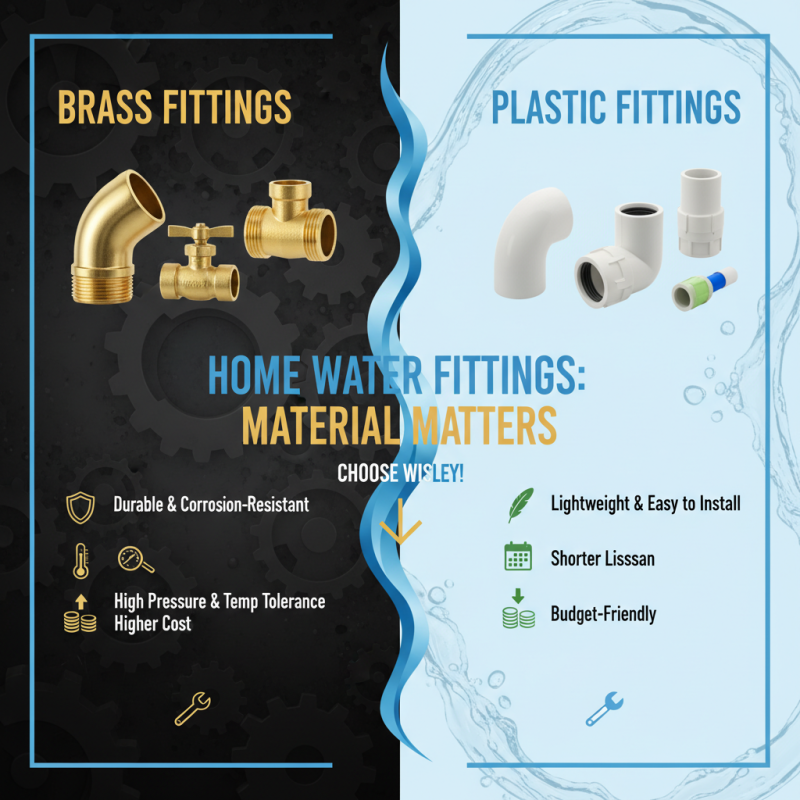
When choosing water fittings for your home, material plays a crucial role. Brass and plastic are two common options. Brass fittings are durable and resistant to corrosion. They can withstand high pressures and temperatures. However, they may be more expensive. If your budget is tight, plastic fittings could be a good choice. They are lightweight and easy to install. But remember, they may not last as long as brass.
**Tips:** Always check the water pressure in your home. High pressure can damage plastic fittings. Consider using brass for main connections and plastic for less critical areas. Ensure that you select fittings that match the pipes already in use to avoid leaks.
Creating a balanced system is vital. Take time to evaluate your needs. If you're in a hard water area, brass may be your best bet. Plastic can degrade faster in such conditions. Always keep future repairs in mind. It's cheaper to invest now in better materials than to face recurring issues later.
When choosing water fittings for your home, sizing and compatibility are crucial. Each component needs to fit well within your plumbing system.
Measure the diameter and dimensions of your existing pipes. Accurate measurements prevent leaks and ensure a safe connection. If a fitting is too tight, it may crack or break under pressure. On the other hand, a loose fit can lead to water wasting.
It's essential to check the material compatibility. Different materials can react negatively, affecting water flow and quality. Plastic, copper, and PEX plastics are common options. However, they each have distinct properties. For instance, some plastics might expand and contract with temperature changes. This could lead to potential issues over time. Consider consulting with a professional if you’re unsure about the best match for your setup.
In addition, it’s wise to think about long-term maintenance. Complex fittings may look enticing, but are they easy to repair? Simpler designs often mean less to worry about. If you ever face leaks or damages, accessible fittings make repairs faster. Prioritize functionality over aesthetics. Your plumbing system should run smoothly, not create more problems.
When selecting water fittings for your home, cost and durability are key factors. A low price often attracts buyers. However, cheaper fittings may fail sooner. They might be made of inferior materials. This could lead to leaks and costly repairs down the line.
Investing in durable fittings brings long-term savings. High-quality materials resist wear and tear. They withstand high water pressure and temperature changes. However, upfront costs can be daunting. It’s easy to overlook the benefits of longevity in favor of immediate savings. Some consumers often regret these choices later.
Think about the environment as well. Relying on low-quality fittings can lead to waste. Regular replacements use resources and harm nature. Evaluating the long-term value of fittings requires careful consideration. It’s not just about today’s budget. Assess your needs and future expenses wisely.
By continuing to browse or by clicking “Accept All Cookies,” you agree to the storing of first- and third-party cookies on your device to enhance site navigation, analyze site usage, and assist in our marketing efforts. View our Privacy and Cookie Policy.