2026 How to Choose the Best Sanitary Fittings for Your Home?

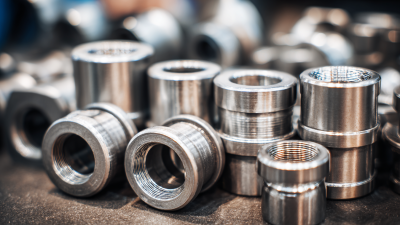
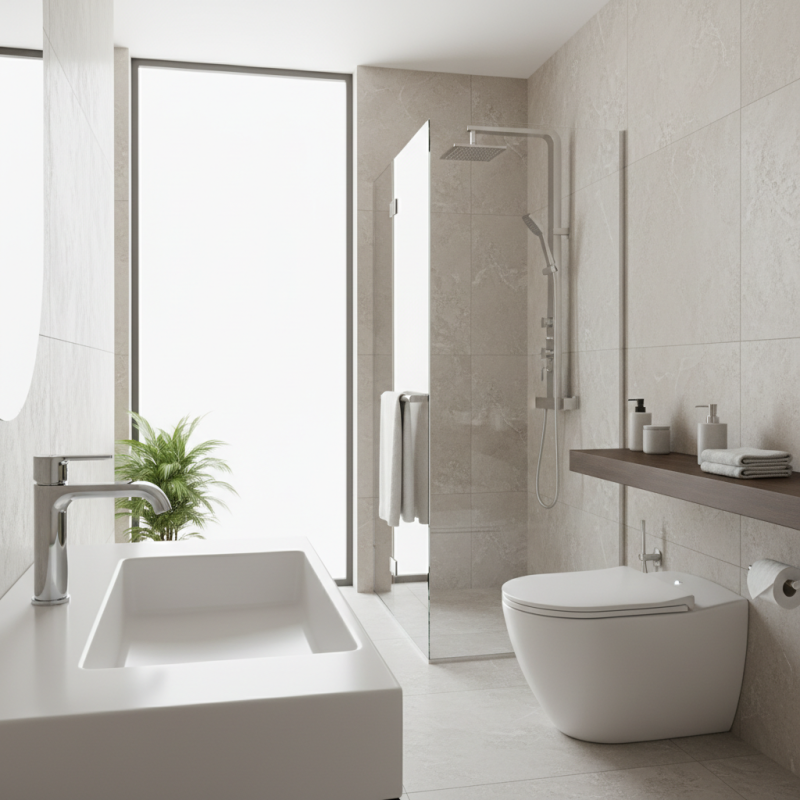
When renovating your home, choosing the right sanitary fittings is crucial. These essential components greatly impact functionality and aesthetics. From faucets to toilets, every detail matters. High-quality sanitary fittings ensure comfort and hygiene. However, making the right choice can be overwhelming. Many factors come into play, like style, material, and price.

Consider your bathroom and kitchen needs carefully. Each space has unique requirements. Some fittings may look great but lack durability. Others might be practical but miss the mark on design. It's essential to balance style and function while staying within budget constraints.

Researching options is vital. Visit local showrooms or browse online. Read reviews and seek recommendations. Visualize how each fitting will complement your home. Don’t rush this decision; it defines your daily experience. Reflect on your preferences and the overall theme of your space. Choosing the best sanitary fittings is a journey that requires time and thought.
2026 How to Choose the Best Sanitary Fittings for Your Home?

Understanding Different Types of Sanitary Fittings and Their Functions
2026 How to Choose the Best Sanitary Fittings for Your Home?

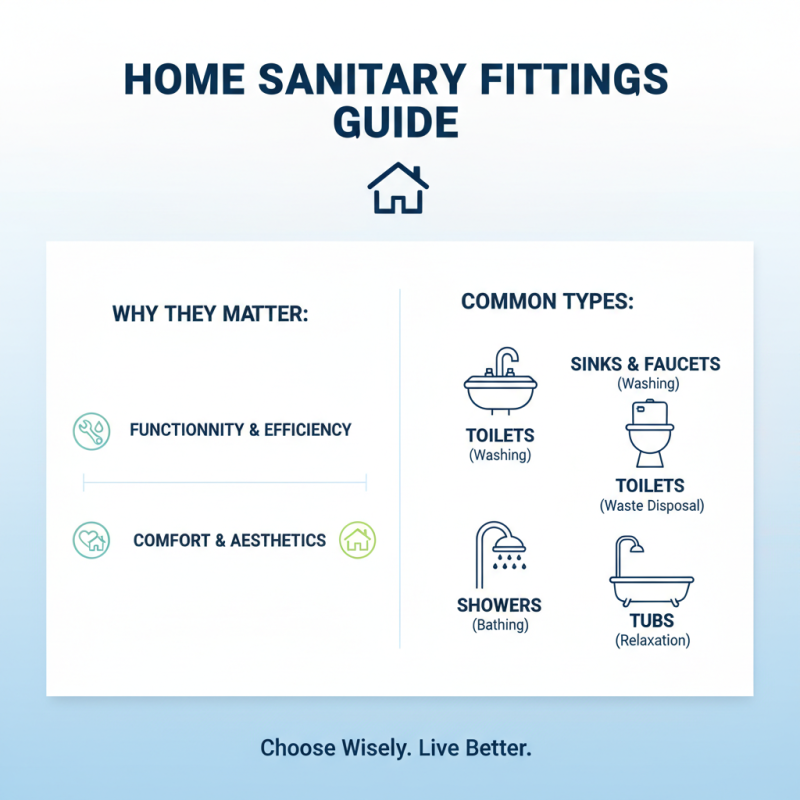
Choosing the right sanitary fittings can greatly influence your home's functionality and comfort. Understanding the different types available is essential. Common fittings include sinks, faucets, toilets, and showers. Each serves a unique purpose and varies in design and efficiency.

For instance, water-efficient toilets can save up to 20% more water than standard models. Showers with adjustable spray settings can improve user experience, catering to different preferences. A study by the American Water Works Association highlighted that modern fitting choices can reduce household water bills significantly.

Tips: Always consider the material of the fittings. Stainless steel and ceramic are durable and easy to maintain. Check for certification labels which indicate efficiency. Don’t overlook your home's plumbing compatibility. It’s often a blind spot that can lead to costly issues later.

Being aware of installation complexities is also crucial. Some high-tech faucets may require professional installation, while DIY options exist for simpler models. Reflect on your home's style too. Not all fittings seamlessly blend with every aesthetic. A mismatched design can detract from your home’s overall appeal.

Factors to Consider When Choosing Sanitary Fittings for Your Home

Choosing sanitary fittings for your home can feel overwhelming. There are several factors to keep in mind. A recent industry report highlights that 45% of homeowners prioritize water efficiency when selecting fittings. This is crucial for reducing utility bills and conserving resources. Look for fittings with good efficiency ratings to minimize waste.

Material is another important consideration. Stainless steel and brass are popular choices due to their durability and resistance to corrosion. However, some homeowners opt for plastic fittings for budget-friendly options. This can lead to lower-quality issues over time. Always weigh the initial cost against long-term performance. Research shows that nearly 30% of consumers regret their choice due to frequent replacements or maintenance needs.

Design and compatibility with existing fixtures also play a role. Aesthetic appeal matters, as it impacts the overall look of your bathroom or kitchen. Yet, compatibility can be tricky. Many mismatches occur during renovations. Pay close attention to size and style. Ignore these aspects, and you might find yourself facing unnecessary modifications down the road.

Material Options for Sanitary Fittings: Pros and Cons

Choosing sanitary fittings for your home can be challenging, especially with various material options available. Each material has unique characteristics. Let's explore some common choices: ceramic, brass, and plastic.

Ceramic fittings are popular for their durability and elegance. They resist stains and are easy to clean. However, they can be heavy and require careful handling. Cracked ceramic can lead to water leaks, which can be a real hassle. Brass fittings offer excellent corrosion resistance and a timeless look. They can handle high water pressure well. But they might require more frequent polishing to maintain their shine.

Plastic fittings are lightweight and affordable. They resist corrosion and can be installed easily. Yet, some plastics can warp over time under heat. They may not provide the same aesthetic appeal as other materials. Understanding the pros and cons of each option is vital. Each choice presents challenges that require reflection. Choose wisely based on your home's needs and personal preferences.

Material Options for Sanitary Fittings: Pros and Cons

This chart illustrates the pros and cons rating (on a scale of 1 to 10) for various materials used in sanitary fittings. A higher score indicates more advantages in terms of durability, cost, and maintenance.

Installation Considerations for Optimal Performance and Durability

When selecting sanitary fittings for your home, installation is crucial. Proper installation affects performance. Incorrectly positioned fittings can lead to leaks, causing water damage over time. Ensure your space is well-prepared before starting. Check that all surfaces are clean and even.

Use quality tools for installation. This helps achieve tight seals and prevents future issues. Consider pipe alignment carefully. Misalignment can cause strain and breakage. Double-check measurements before cutting pipes or mounting fixtures. Don’t rush the setup process; hasty decisions often lead to mistakes.

Finally, always test your fittings after installation. Run water through each fixture. Look for any leaks or drips. Address any problems immediately. Remember that durable fittings will serve you well. But their longevity hinges on how well they are installed. Take the time to do it right. Embrace the learning curve that comes with home improvement.

Maintaining and Cleaning Sanitary Fittings for Longevity and Hygiene

Maintaining and cleaning sanitary fittings is vital for a healthy home. Regular upkeep can prevent the spread of germs. According to a recent industry report, about 70% of household illnesses come from unclean surfaces. This statistic emphasizes the importance of a consistent cleaning routine. Simple tasks, like wiping fixtures with disinfectant wipes, can significantly reduce bacteria levels.


Using the right cleaning products is also crucial. Harsh chemicals can damage finishes over time. It's wise to use pH-balanced cleaners that are gentle yet effective. Reports suggest that improper cleaning methods can shorten the lifespan of sanitary fittings by up to 30%. Homeowners should pay attention to manufacturer guidelines to avoid unnecessary wear.


Water quality affects sanitary fittings' longevity too. Hard water can lead to mineral buildup, causing inefficiency. Regular descaling can help maintain flow rates and reduce clogs. However, many homeowners overlook this aspect. Awareness of such details is key for upkeep. Investing time in these practices can save money in the long run and ensure a clean, healthy environment.