
Choosing the right Bus Handrail Tubing is essential for safety and accessibility in transportation. The right material and design enhance passenger experience. However, the options available today can be overwhelming. This guide explores key factors to consider when selecting Bus Handrail Tubing.
Safety is the primary concern. Sturdy tubing prevents accidents and supports passengers. It's vital to assess the weight capacity and material durability. Aluminum, stainless steel, and plastic are common choices. Yet, each has pros and cons.
Design plays a role too. Aesthetic appeal enhances the bus's overall look. But functionality shouldn't be sacrificed for style. Install options vary, impacting how effective the handrails are. Reflection on these aspects will lead to better choices.
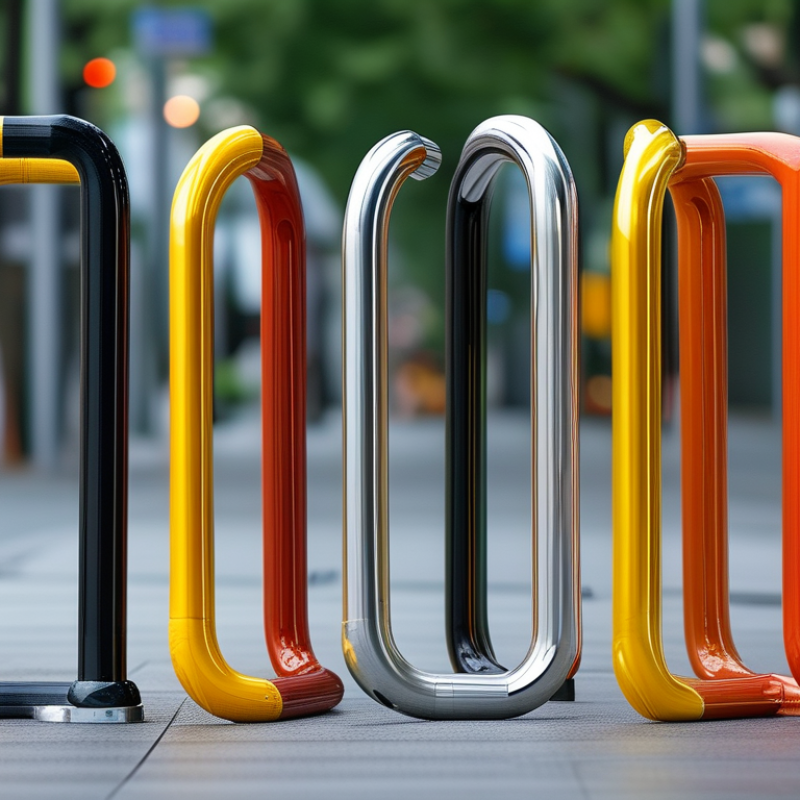
Selecting the right bus handrail tubing is crucial for safety. The handrail is not just a support; it's vital for passenger stability. A well-designed handrail enhances accessibility for all passengers, including those with mobility challenges. It must be strong and durable since it endures constant use. Poorly chosen materials can lead to wear and tear, posing risks over time.
Additionally, the dimensions of the handrail tubing matter. Variations in width and shape impact grip and comfort. If the tubing is too slim, it may not provide adequate support. Too thick can deter users. Understanding the specific needs of your bus's passengers can guide your choice. Consulting with industry experts can shed light on materials that combine strength with lightness.
Moreover, consider aesthetics. The tubing should fit the bus's design while remaining functional. It’s essential to balance style with practicality. This balance can be challenging. Reflect on which aspects of the design are non-negotiable. Engaging with users can provide insights into their preferences. Creating a handrail that meets safety standards while also appealing to passengers is a worthwhile endeavor.
When selecting bus handrail tubing, understanding the materials available is crucial. Different materials offer varied benefits and drawbacks. Common options include stainless steel, aluminum, and plastic. Stainless steel is known for its strength and corrosion resistance. It is often preferred for its durability, making it suitable for high-traffic areas. However, stainless steel can be heavy and more expensive.
Aluminum is lighter and typically more affordable than stainless steel. It provides adequate strength while being easier to install. However, aluminum may not withstand heavy wear as well as its stainless counterpart. On the other hand, plastic tubing is lightweight and resistant to rust. It is less costly, making it appealing for budget-focused projects. Yet, plastic may lack the robustness of metals, raising concerns about longevity.
Choosing the right material involves considering your specific environment and needs. Reflect on the expected wear and tear. Pay attention to installation requirements and costs. It’s essential to weigh the pros and cons of each option. Ultimately, the selection process should align with the overall safety and usability of the bus.
When selecting bus handrail tubing, durability and safety stand out. A report by the American Public Transportation Association (APTA) indicates that over 40% of bus-related injuries are due to inadequate handrail support. Choosing the right material is crucial. Steel, for instance, offers strength and resilience. It withstands frequent use and harsh conditions. However, it can be heavier, impacting installation.
Aluminum is lighter and resistant to rust. It’s a popular choice for manufacturers balancing weight and durability. APTA also highlights the importance of adhering to safety standards such as ASTM F1487. This ensures that handrail systems are safe for all passengers, including those with disabilities. Those designing public transport need to be aware that not all handrails meet stringent guidelines.
While evaluating options, consider the finish and grip. Textured surfaces improve safety, especially in wet conditions. Yet, some materials may not provide adequate friction over time. Regular assessments of the installed handrails are vital. Maintaining compliance with up-to-date safety requirements requires ongoing diligence. Choosing the best handrail tubing is a complex task demanding attention to various factors.
When selecting bus handrail tubing, cost-effectiveness plays a significant role. Consider the materials available. Stainless steel offers durability but comes at a higher price. Alternatively, aluminum is lightweight and often more affordable, but it may not withstand heavy use.
According to a report by the American Public Transportation Association, handrails can impact safety and passenger comfort. The right choice can reduce maintenance costs by 20%. Yet, some operators neglect this, opting for the cheapest options, which may lead to higher repair expenses over time. This reflects a common industry challenge.
Tip: Always evaluate total lifecycle costs. Consider not only the initial purchase price but also long-term maintenance requirements. Think about the installation complexity, which affects upfront costs and labor expenses.
It’s important to consult with professionals who understand local regulations. Compliance with safety standards can lead to increased upfront costs but minimizes risks. Many operators overlook this, concentrating on immediate savings rather than long-term viability. A well-informed decision can enhance safety and reduce long-term expenses.
When selecting bus handrail tubing, customization plays a crucial role. Handrail designs must prioritize user safety while aligning with aesthetic expectations. According to industry reports, handrails should have a diameter between 1.5 to 2 inches for optimal grip and to accommodate various user demographics. Beyond functionality, color and finish can influence the perception of cleanliness and modernity.
Design considerations also encompass materials. Stainless steel is durable, but aluminum is lightweight and resistant to corrosion. The choice often depends on budget and environmental conditions. Reports show that proper installation can extend the life of handrail tubing by up to 30%.
Tip: Always test materials under real conditions. Inspect how different finishes perform against environmental wear.
Remember, design isn't just about looks. It also involves usability. Consider the specific needs of your passengers. Encourage feedback to refine your design approach.
Tip: Engage users in the testing phase. Their input can lead to innovative solutions. Iterate based on actual experience, not just assumptions.
By continuing to browse or by clicking “Accept All Cookies,” you agree to the storing of first- and third-party cookies on your device to enhance site navigation, analyze site usage, and assist in our marketing efforts. View our Privacy and Cookie Policy.