Why Choose Waterproof Micro Switch for Your Project?
When considering components for your project, opting for a "Waterproof Micro Switch" can make a significant difference. These switches are designed to withstand moisture, dust, and other challenging environments. This reliability ensures their performance in various applications, from outdoor gadgets to industrial equipment.
Using a waterproof design adds an extra level of protection. It helps prevent malfunctions due to environmental factors. However, it’s crucial to note that not all Micro Switches are created equal. Some may perform well but may not be entirely watertight. Careful selection is essential to avoid disappointments down the line.
Incorporating a waterproof micro switch into your project can enhance its durability. Yet, understanding the specifications and limits of these switches is vital. They can save you time and resources. Reducing maintenance costs is a benefit. The trade-off is that they may come at a higher initial price. It raises the question: is durability worth the investment?
Understanding the Functionality of Waterproof Micro Switches
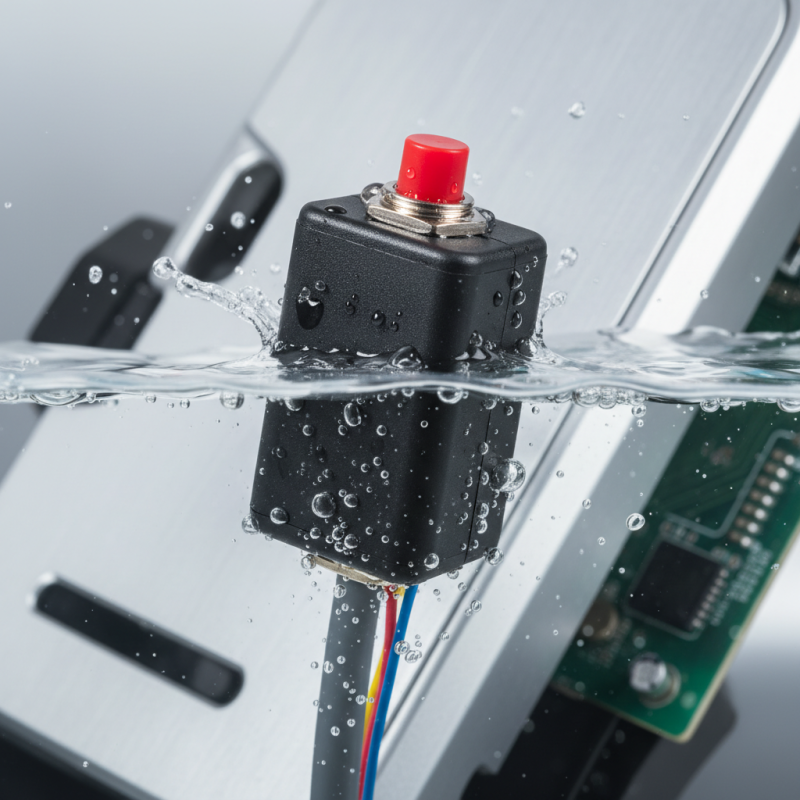
Waterproof micro switches are crucial components in various applications. They ensure reliable operation in challenging environments. These switches are designed to resist moisture, dirt, and dust. This makes them ideal for outdoor equipment and industrial machines.
When exposed to water, standard switches can fail. Corrosion or short circuits may occur, leading to product malfunction. Waterproof micro switches, however, are sealed to prevent such issues. Their construction often includes gaskets and resin to enhance durability. This design choice allows them to function flawlessly in extreme conditions.
Installers should consider their project needs carefully. While waterproof micro switches offer excellent protection, not all designs are equal. Factors like rating and response time matter deeply. Users sometimes overlook these details, leading to performance issues. Reflecting on these aspects can improve project outcomes significantly.
Why Choose Waterproof Micro Switch for Your Project? - Understanding the Functionality of Waterproof Micro Switches
| Feature | Description | Applications | Advantages |
| Water Resistance | Designed to resist water ingress, suitable for moist environments. | Outdoor equipment, marine applications, and automotive components. | Increased durability and reliability in harsh conditions. |
| Compact Size | Small footprint for easy integration into various designs. | Robotics, electronic devices, and household appliances. | Space-saving design without compromising functionality. |
| Variety of Actuation Modes | Available in different actuation types: snap-action, roller, and more. | Industrial machinery, consumer electronics, and safety devices. | Flexibility to accommodate different project requirements. |
| Temperature Range | Operates effectively within a wide temperature range. | HVAC systems, outdoor lighting, and industrial processes. | Reliable performance in extreme temperatures. |
| Electrical Ratings | Offers various electrical ratings for different applications. | Telecommunication systems, medical devices, and automation systems. | Ensures compatibility with diverse electrical loads. |
Key Advantages of Using Waterproof Micro Switches in Projects
When working on projects that face extreme environments, waterproof micro switches are a wise choice. These switches excel in situations where moisture and dust pose risks. Engineers often overlook the importance of switch durability, leading to malfunctioning devices. Waterproof switches resist these issues, enhancing reliability and performance.
In addition to their protective features, waterproof micro switches offer versatile applications. They can be used in automotive, industrial, and consumer electronics. This adaptability allows designers more freedom in their projects. However, using waterproof switches can slightly increase costs. Balancing budget and quality is a challenge many engineers encounter.
Another consideration is installation complexity. Waterproof designs may require specific mounting techniques. This could slow down production timelines. Yet, the long-term benefits often outweigh initial hurdles. Ensuring that your device lasts longer without frequent replacements saves time and resources. Ultimately, investing in waterproof micro switches can lead to more dependable products, despite potential drawbacks.
Applications of Waterproof Micro Switches Across Various Industries
Waterproof micro switches are essential in various industries. Their ability to resist moisture and dust makes them perfect for challenging environments. In automotive applications, these switches ensure reliability in tough conditions. They can withstand water exposure, making them ideal for use in vehicles. These micro switches help in controlling lights and wipers effectively.
In the industrial sector, waterproof micro switches are widely used. Manufacturing machines often operate in humid or wet conditions. Waterproof switches provide a safeguard against failures caused by exposure to liquids. This reliability is vital for maintaining productivity. However, selecting the correct type can be tricky, as not all are suited for every environment.
Consumer electronics also benefit from waterproof micro switches. Devices like cameras and outdoor equipment frequently face moisture. Using waterproof switches enhances their durability. Yet, the cost can be a concern for some manufacturers. Balancing the need for durability with budget constraints can be challenging. As important as waterproof characteristics are, other factors should also be considered during selection. Understanding the specific needs before making a choice is crucial.
Factors to Consider When Choosing a Waterproof Micro Switch
When selecting a waterproof micro switch for your project, consider several key factors. First, assess the operating environment. Think about factors such as humidity, temperature extremes, and exposure to water. A switch rated for IP67 can withstand submersion in water. However, that doesn't mean it will last indefinitely under such conditions. Regular maintenance is still essential.
Next, check the switch's electrical ratings. Make sure it can handle the voltage and current your application requires. An inadequate rating can lead to failure. You might choose a switch that seems to fit but falls short in actual use. Evaluate performance data carefully to avoid disappointment.
Tips: Always conduct a test run in your specific environment. It’s wiser to observe the switch under real conditions. This simple step can reveal problems you didn’t anticipate. Consider the physical size too. A switch that’s too bulky or small can complicate installation.
Lastly, review the connection options available. Some micro switches require specific terminals or wiring methods. Ensure compatibility with your system. Compatibility issues can lead to inefficiencies and wasted time. It might be tempting to overlook these aspects, but they are crucial for a successful project.
Maintenance and Longevity of Waterproof Micro Switches in Harsh Environments
Waterproof micro switches are vital in various industries. They perform well under harsh conditions. According to a report by Global Industry Analysts, the global waterproof switch market is expected to grow significantly by 2027. This growth is driven by increasing demand for durability in electronics. Projects in harsh environments require reliable components. Regular switches often fail in moisture or dust. In contrast, waterproof micro switches endure these challenges.
Maintenance of waterproof micro switches is crucial. Statistics show that regular checks can extend their lifespan. These switches are designed with sealed housings, but wear can still occur. Proper cleaning and inspection are necessary to prevent malfunctions. A study indicates that even minor corrosion can lead to performance issues. Harsh chemicals or extreme temperatures can also affect functionality.
Choosing waterproof micro switches requires careful consideration. They are more than just durable; they need to be regularly assessed. Project managers should understand the environment their switches will operate in. Such awareness can guide the selection process. Industry insights reveal that many projects underestimate maintenance needs. This oversight can lead to costly failures down the line.