2026 How to Choose the Right Stainless Steel Fittings for Your Projects?

Choosing the right stainless steel fittings is essential for any project. They come in various shapes and sizes, each serving specific purposes. Selecting the wrong type can lead to leaks and costly repairs. Understanding your project's requirements is crucial.

Consider the environment your fittings will face. Corrosion resistance may be vital for outdoor use. On the other hand, sleek designs are important for indoor applications. You might find that not all stainless steel fittings are created equal. Some may not withstand high pressures, while others are perfect for heavy-duty tasks.

Evaluate materials and quality. Cheap alternatives may save money now but can lead to future problems. Reflect on your choices carefully. The right fittings can enhance your project's longevity and performance. It's worth the time to ensure you make informed decisions about stainless steel fittings.
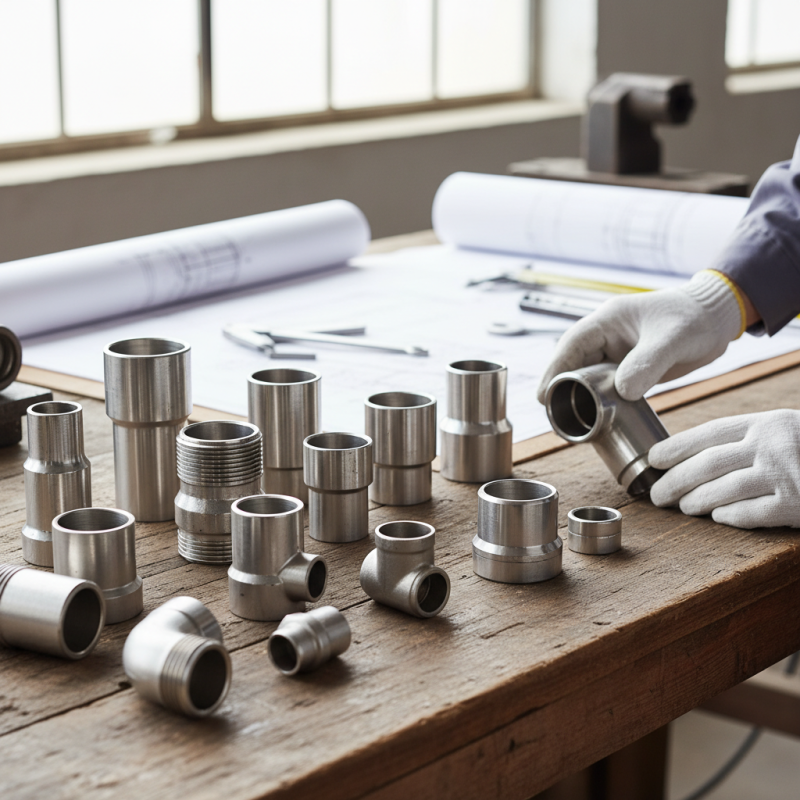
2026 How to Choose the Right Stainless Steel Fittings for Your Projects?

Understanding Stainless Steel Fittings: Types and Applications

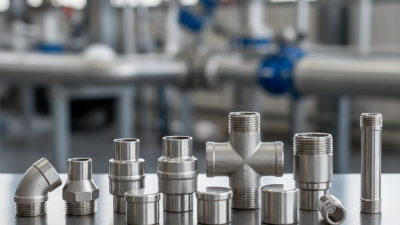
Stainless steel fittings are essential in various industries. The choices can be overwhelming, and understanding different types is crucial. Common types include but are not limited to, pipe fittings, valves, and flanges. These fittings serve different purposes, such as connecting pipes or controlling flow. According to a recent market report, the stainless steel fittings market is projected to reach $10 billion by 2025. This growth reflects the increasing demand for durable and corrosion-resistant materials.

Each type of fitting has specific applications. For instance, pipe fittings are commonly used in plumbing and HVAC systems. Valves are critical in regulating fluid flow in chemical processing. Flanges provide easy access for maintenance and inspection. Yet, many projects face challenges when choosing the right fitting. Misjudgments can lead to leaks or failures in systems. This is often due to not fully understanding the pressures and temperatures involved.

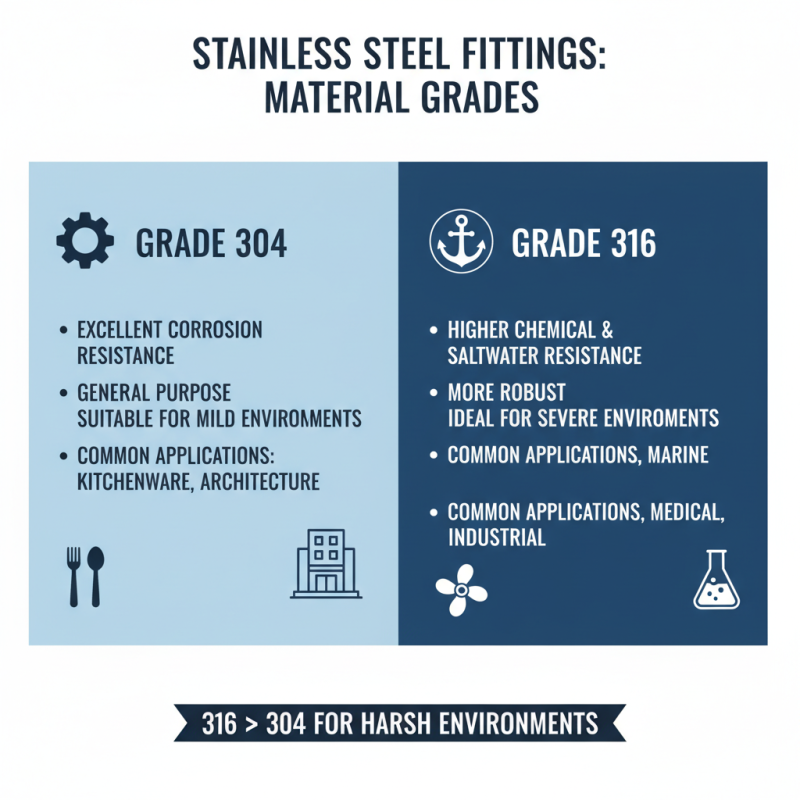
Selecting fittings that match your project specifications is vital. Consider not just the type, but also the grades of stainless steel. 304 and 316 are the most popular grades, each with unique benefits. However, 316 offers better resistance to chemicals and saltwater. Yet, it comes at a higher cost. Awareness of these factors can improve performance and project sustainability, but the learning curve remains a hurdle for many.
2026 Stainless Steel Fittings Types and Applications

This chart highlights the percentage of usage frequency for different types of stainless steel fittings in various projects. Understanding these types can help you choose the right fittings for your specific applications.

Key Factors to Consider When Selecting Stainless Steel Fittings

When selecting stainless steel fittings, several key factors play a crucial role. The type of project you are undertaking often determines the specifics you need. For instance, marine applications require fittings that can withstand harsh environments. Consider the corrosion resistance of various stainless steel grades. The 316 grade is often preferred for saltwater exposure. However, don’t assume it’s ideal for all situations.

Another aspect to think about is the fitting size and compatibility. Proper sizing ensures a leak-free connection. If the specifications are not followed, it may lead to project delays and added costs. A common mistake is choosing the wrong fitting shape. Be aware that not all angles are suitable for every project. You might find yourself revisiting your selection if the project demands change.

Lastly, budget constraints can impact your choice. Higher quality stainless steel fittings often come with a heavier price tag. Weigh the cost against the performance you expect. It’s perfectly normal to feel uncertain during this process. Making the wrong choice can have repercussions. Take time to evaluate your options thoroughly before committing.

Comparing Material Grades: Which Stainless Steel is Right for You?

2026 How to Choose the Right Stainless Steel Fittings for Your Projects?

When selecting stainless steel fittings, understanding material grades is crucial. Different grades offer various traits that can impact your project. For instance, 304 grade is known for its excellent corrosion resistance. It is suitable for many applications but may not withstand severe environments. If you need something more robust, 316 grade might be better. It offers higher resistance to chemicals and saltwater, making it ideal for marine applications.

However, the choice isn't always clear-cut. Certain projects demand both durability and aesthetics. Sometimes, the best choice is not the most expensive one. Quality also depends on the environment and usage. A fitting that works well in one setting might fail in another. We often overlook how factors like temperature and pressure affect the performance of these fittings. Evaluate your project needs thoroughly to avoid mismatched materials. Conducting thorough research can save time and resources, but errors still happen. Think about it; are you truly selecting the right grade for your specific requirements?

Evaluating Compatibility: Ensuring Fit with Project Specifications

Choosing the right stainless steel fittings for your projects requires careful consideration. Compatibility with project specifications is crucial. Measure dimensions precisely. Check the required pressure ratings and temperature limits. Each fitting must be adequate for the intended use. Overlooking these details can lead to costly errors.

Not all stainless steel is created equal. Different grades have various properties. For instance, some are more resistant to corrosion, while others can handle higher temperatures. Understanding these differences can significantly impact your project’s success. Consider the environment where the fittings will be installed. Will they face moisture or chemicals? These factors greatly affect durability.

It's essential to review manufacturer guidelines diligently. Some fittings might appear to fit but lack critical specifications. Take time to evaluate product datasheets. Ask questions if you're uncertain. A small oversight can lead to significant issues. Reflect on past experiences where compatibility was ignored. Learning from these moments contributes to better decision-making in future projects.

Cost vs. Quality: Making Informed Decisions on Stainless Steel Fittings

Choosing the right stainless steel fittings can be challenging. The decision often boils down to cost versus quality. It's essential to understand that cheaper options may not always deliver value. Inexpensive fittings can lead to corrosion, leaks, and replacements. These issues can cause delays in projects and incur additional costs.

Quality materials have advantages that often justify the price. High-grade stainless steel offers durability and resistance to harsh environments. They tend to last longer and require less maintenance. However, not all high-cost fittings guarantee superior performance. Researching materials is crucial. Examine the specifications and grades used in manufacturing. Choosing an inferior product solely on price can be a costly mistake.

Consider your project's requirements carefully. Assess the environments where the fittings will be used. Will they face extreme temperatures or chemicals? This analysis can influence your choice significantly. Reflect on both immediate and long-term needs. A balance of cost and quality ensures successful outcomes in your projects. It's worth spending time on this decision.