7 BMAX Mini PC Buying Tips for Global Buyers
Buying a compact computer is easy; choosing one that still feels right after six months takes more care. A BMAX Mini PC can save desk space and handle everyday tasks, but model names and specifications alone do not tell the whole story. Think about the work it will actually do: video calls, office documents, browser tabs, media playback, or light creative projects. Then check processor, memory, storage, operating system, and upgrade options against those needs.
Small details matter. Count the USB ports you will use, check display connections, and confirm wireless requirements before ordering. A quiet machine beside a monitor may suit a home office; a less capable configuration could struggle with heavier multitasking. Also review warranty terms, seller support, delivery costs, and return conditions in your region. Those details vary between markets. They deserve a place in the decision.
A useful rule is: “Buy for the workload you have, and leave room for the one you’ll meet next.” I can’t verify a named BMAX Mini PC expert’s quotation from the material provided, so I won’t attribute those words to a person. This guide instead focuses on practical checks buyers can confirm: specifications, connectivity, support, and value. No single model fits everyone. A lower price may be appealing, but it is not a substitute for checking the configuration carefully.
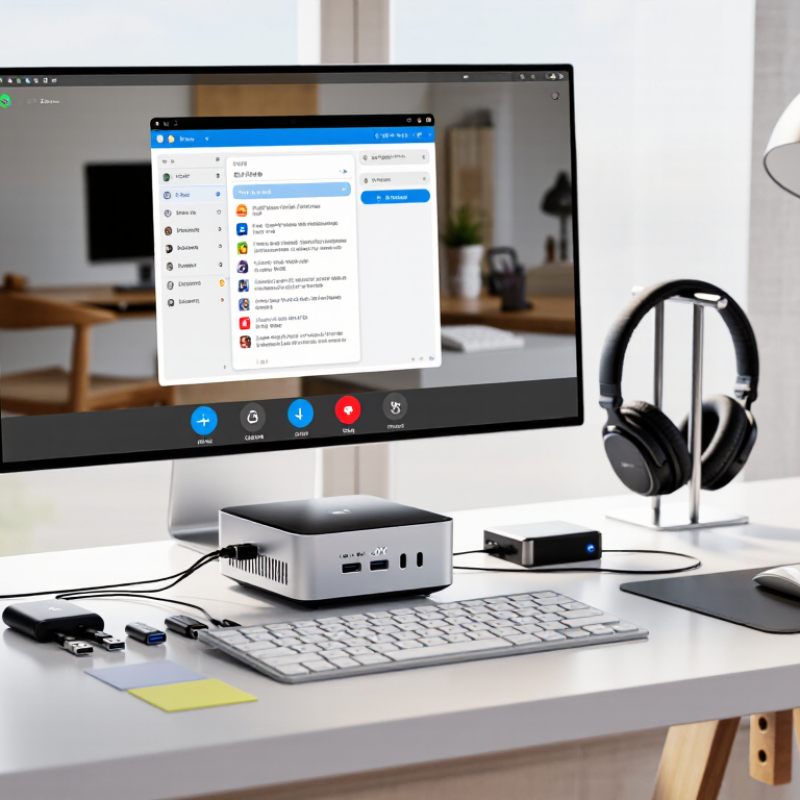
Identify Your Computing Needs and Intended Use
A mini PC should match the work you actually do, not an imagined future setup. Start with the task. For email, web research, and video calls, a recent low-power processor and 8–16 GB of memory may be enough. If you routinely keep many browser tabs open, edit large photos, or run development tools, more memory and faster storage can make daily work feel less cramped. Check the applications you use, including their minimum requirements, before comparing specifications. A spec sheet is useful, but it cannot tell you exactly how smoothly your own workload will run.
Think about the desk, too. A compact computer can sit behind a monitor, yet you may still need two display outputs, wired networking, or several USB ports for a webcam, headset, and external drive. For travel or shared offices, consider the power adapter size and whether wireless connections are dependable where you work. Avoid paying for powerful graphics if your routine is spreadsheets and streaming. On the other hand, choosing the smallest memory option to save money can become frustrating later, especially if upgrades are limited. Estimate your busiest ordinary day, not your rare best-case task. That estimate may be imperfect; check your actual software and devices before deciding.
Compare BMAX Models, Processors, and Memory Options
When comparing compact desktop models, start with the exact processor name, not just the advertised core count. Two chips with similar core totals can differ in generation, power use, and sustained performance. For office documents, video calls, and browser tabs, a recent low-power processor may feel responsive. Editing large photos or compiling code can benefit from stronger multi-core performance. Check independent test results when available, and note whether they reflect the same memory configuration. Benchmarks are useful, but they do not show everything.
Memory capacity affects how smoothly a mini PC handles several tasks at once. 8 GB can suit light use. For many browser tabs, spreadsheets, and everyday multitasking, 16 GB offers more breathing room. Heavy creative work may call for 32 GB, if the model supports it. Confirm whether memory is upgradeable or soldered, and check the maximum supported capacity before buying. A listing may omit these details. That is worth questioning. Also compare storage type and upgrade access: opening a case to replace a drive can be awkward, even when technically possible. For global buyers, verify the precise model configuration offered in your region, since similar names may hide different processors or memory. A small price difference can matter less than a clear specification sheet.
Check Connectivity, Expansion, and Display Support
Mini PCs travel across offices, classrooms, and home setups, so check the ports against your actual equipment. Count USB-A ports for a keyboard, mouse, and external drive; then see whether USB-C supports data, video, or charging. The connector shape alone does not confirm its functions. If you rely on wired networking, compare the Ethernet speed with your router or switch, and check Wi-Fi standards for the networks you use. Small ports matter.
Expansion can extend a computer’s useful life, but listings often hide practical limits. Look for accessible memory and storage slots, supported drive types, and maximum capacity in the product documentation. A second storage bay is useful only if it fits your chosen drive and leaves enough cooling space. I would not assume an upgrade is simple: tiny screws, tight cables, and warranty terms can complicate a weekend project. Check before buying.
Display support deserves equal attention. Confirm the number of independent screens, supported resolution, and refresh rate for each output. A machine may advertise several display connectors yet share bandwidth between them. For a dual-monitor desk, verify that both screens can run at their intended resolution and refresh rate at the same time. Also check whether the ports match your monitors; adapters can work, but add cost and another point of failure. If a specification is vague, ask for the exact graphics and output configuration rather than guessing.
Verify Operating System and Regional Compatibility
Before ordering a mini PC, confirm the operating system edition, license status, and supported languages. A device may start in English yet lack the language pack or keyboard layout your team needs. StatCounter Global Stats’ 2025 desktop operating-system data places Windows at roughly seven in ten measured desktop web visits worldwide. This is traffic share, not a count of computers sold, and country-level patterns differ. Treat it as context, not proof that every program will work.
Check the exact processor architecture and driver support for your essential software, printer, and peripherals. For Linux, look for tested support for Wi-Fi, Bluetooth, audio, and sleep functions; a successful boot alone is not enough. Confirm the power adapter’s input range and plug type, plus wireless bands supported in your destination. Regional compatibility can be easy to overlook. A mismatch may mean extra adapters, limited connectivity, or hours spent troubleshooting.
Tip: Ask the seller for the exact OS edition, language options, activation details, and driver links before payment. Compare them with your region’s needs, then test a USB device and wireless connection during the return window. A tidy specification sheet can still leave gaps; checking one more detail is worthwhile.
Assess Pricing, Warranty, and Global After-Sales Support
A low listed price can be misleading. Compare the full cost of a mini PC, including shipping, import charges, and any required power adapter. Check the exact processor, memory, and storage configuration; similar product photos can hide meaningful differences. A small price gap may be worthwhile if it includes a longer warranty or easier local service. I still find it easy to focus too much on the headline price.
Read the warranty terms before paying. Confirm its duration, what parts are covered, and whether the seller or manufacturer handles claims in your country. Ask who pays return shipping. A desktop that must travel overseas for repair can be costly and unavailable for weeks. Save the invoice, order confirmation, and serial number. Keep them somewhere you can find later.
Global after-sales support deserves the same attention as performance. Look for a support email or service portal, published response hours, and clear instructions for troubleshooting. If replies are vague before purchase, that is useful evidence, though not proof of poor service. Check whether replacement parts, such as an adapter or storage drive, can be sourced locally. One detail is easy to miss: a warranty may cover repair but not the time or shipping involved. Compare these practical costs with your budget and tolerance for downtime.
