2026 Top Arc Furnace Shell Types for Global Buyers?
Choosing the right Arc Furnace Shell in 2026 requires more than comparing prices, capacities, or supplier brochures. Global buyers must examine shell geometry, steel grade, refractory lining, cooling design, and maintenance access. These details influence furnace stability, operating life, and production safety.
A practical evaluation begins with the furnace’s working conditions. A high-capacity steel plant may need a robust water-cooled shell with carefully designed cooling circuits. Smaller operations may prefer a simpler refractory-lined structure with easier repair access. Scrap density, charging impact, tapping temperature, and expected heat cycles also matter. Small design differences can create costly downtime.
Supplier verification remains essential. Request material certificates, welding procedures, dimensional records, pressure-test reports, and documented inspection results. Experienced manufacturers should explain how the shell handles thermal expansion, local wear, and repeated repairs. Factory visits and independent inspections can reveal workmanship that photographs miss. They may also expose uncomfortable gaps.
There is no universal best shell type. A design that performs well in Europe may require adjustments for different scrap quality, power levels, or maintenance practices elsewhere. Buyers should compare total ownership cost, not only the purchase quotation. Energy use, refractory consumption, spare-part availability, and service response deserve equal attention. Some specifications look complete but still omit critical operating assumptions. That is worth questioning.
This guide examines the leading Arc Furnace Shell types expected to attract global buyers in 2026. It focuses on practical selection criteria, supplier reliability, lifecycle performance, and application-specific risks. The goal is not to promote one configuration, but to support clearer engineering decisions based on evidence, experience, and transparent technical review.
What Is an Arc Furnace Shell and Why Does Its Type Matter?
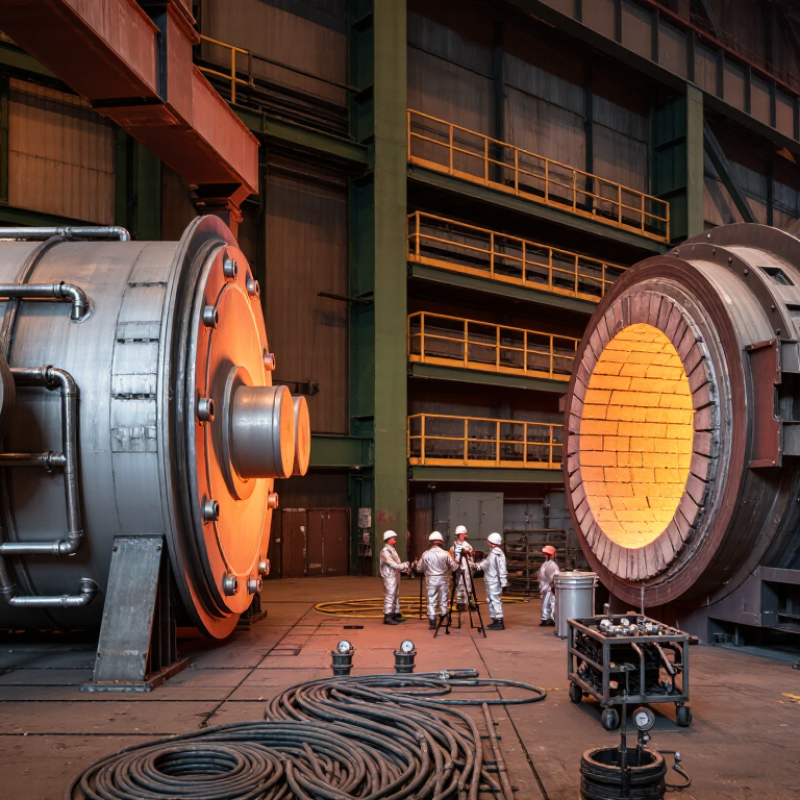
An arc furnace shell is the steel vessel that holds the furnace lining, molten metal, and scrap during melting. It works beneath the roof, electrodes, cooling panels, and tilting system. The shell must resist intense heat, electrical arcs, impact, and repeated thermal expansion.
Its type matters because operating conditions are never identical. A water-cooled panel shell can reduce refractory wear in high-temperature zones. However, it requires reliable water circuits, leak monitoring, and careful maintenance.
A refractory-lined shell offers simpler construction and strong thermal protection. It may need more frequent relining when scrap impact or furnace cycling is severe.
Hybrid designs combine cooled panels with selected refractory sections. They can balance durability, energy use, and repair time.
Details matter. Check the shell plate thickness, cooling-channel layout, tapping-side reinforcement, and access for inspection. Ask how the structure handles uneven scrap loads. A shell can look robust while hidden distortion develops near the slag door.
Not glamorous, but important. Buyers should also compare local service skills, spare-part availability, applicable safety standards, and climate conditions. A design proven in a dry region may need different corrosion protection near a humid coast. Technical drawings are useful, but operating records are better evidence. I would not choose by shell weight alone; that shortcut can miss cooling performance, maintenance access, and the real cost of downtime.
How to Compare Materials, Designs, and Thermal Performance
Choosing an arc furnace shell starts with duty, not appearance. Refractory-lined carbon-steel shells suit moderate heat exposure and simpler maintenance. Water-cooled panels handle higher radiation near the slag line. Hybrid shells combine both approaches. They often reduce refractory consumption, but they require disciplined water monitoring.
The World Steel Association reported 1.88 billion tonnes of crude steel production in 2024. That scale increases pressure on uptime and energy efficiency.
The International Energy Agency estimates that efficient electric-arc routes can emit about 0.3–0.7 tonnes of CO2 per tonne of steel, depending on electricity sources and scrap quality.
Shell design influences this result indirectly. Better insulation reduces heat loss, while stable cooling protects panels and shortens unplanned shutdowns.
Compare materials through thermal data, not catalog language. Check shell temperature maps, panel heat flux, water inlet temperature, outlet temperature, and flow alarms. Copper conducts heat faster than steel, but it can demand tighter protection from impact and erosion. Refractory thickness also matters. Too much lining reduces working volume. Too little lining accelerates wear. A higher water flow is not automatically safer. It may hide scaling, leakage, or poor heat transfer. In practice, thermal performance changes with scrap density, foamy slag control, power input, and operator habits. Any comparison without those operating conditions remains incomplete. That is the uncomfortable part.
Key Selection Factors for Global Buyers
2026 Top Arc Furnace Shell Types for Global Buyers?
Key Selection Factors for Global Buyers
Choosing an arc furnace shell in 2026 is less about fashionable design than operating conditions. Water-cooled shells suit high duty cycles, especially when heat exposure is severe and downtime is costly. Refractory-lined shells can reduce cooling demand, but they require disciplined inspection and planned relining. Hybrid shells combine protected refractory zones with cooled panels, offering flexibility for changing production loads. The choice should begin with evidence from your furnace floor, not a supplier brochure.
Global buyers should examine shell diameter, steel grade, charge density, transformer power, and expected tap-to-tap time. A shell built for dense scrap may suffer uneven wear when lightweight shredded feed dominates. Check cooling-water quality, flow monitoring, emergency drainage, and access for panel replacement. In tropical plants, ambient heat can reduce cooling margins. In cold regions, freeze protection and startup procedures matter. Ask for thermal maps, weld procedures, material certificates, and documented service records. These details reveal engineering quality more clearly than polished photographs.
Compliance also deserves practical attention. Confirm applicable pressure, electrical, lifting, and workplace safety requirements before purchase. Require local-language manuals and training for maintenance teams. Small omissions become expensive. Field reviews often show underestimated crane clearance and cable routing, causing installation delays. Buyers should model total ownership cost, including water treatment, refractory consumption, inspections, and unplanned outages. No shell type is universally best. A technically strong choice can still fail when local skills, utilities, or spare-part access are ignored. Recheck the assumptions before signing.
Safety, Maintenance, and Regulatory Considerations
2026 Top Arc Furnace Shell Types for Global Buyers?
Safety, Maintenance, and Regulatory Considerations
Arc furnace shells generally use refractory-lined steel, water-cooled panels, or hybrid construction. Each type changes the plant’s risk profile. Refractory-lined shells tolerate harsh thermal cycles, but worn lining can expose steel quickly. Water-cooled designs reduce heat stress and save space. However, a small leak near molten metal can create a severe steam explosion hazard. Hybrid shells offer flexibility, yet their mixed interfaces demand careful inspection.
Safety begins with visible controls and reliable records. Buyers should request thermal monitoring, water-flow alarms, emergency shutdowns, and protected maintenance platforms. Operators need clear procedures for charging, tapping, cooling-water isolation, and abnormal noise. Small details matter. A loose inspection cover should never become normal. Shell welds, cooling circuits, refractory thickness, and fasteners require scheduled checks. Water quality also deserves attention because scale can reduce cooling performance.
Regulatory approval varies by installation country and furnace configuration. Global buyers should verify electrical safety, machinery conformity, worker protection, fire control, noise, dust, and emissions requirements with local specialists. Supplier documents should include material certificates, pressure-test results, welding records, inspection intervals, and spare-part specifications. Traceability supports accountability when something fails. The lowest purchase price may hide difficult access, poor documentation, or expensive downtime. I have seen maintenance plans treated as paperwork, although they often determine whether a shell remains safe after years of thermal shock.