2026 Best Crystal Table Buying Guide for Global Buyers?

The 2026 Crystal Table market reflects a wider shift toward sculptural furniture, transparent materials, and personalized interiors. Grand View Research valued the global furniture market at USD 516.66 billion in 2022. It also projects a 5.2% compound annual growth rate through 2030. These figures suggest strong opportunity for international buyers. They do not guarantee every supplier is reliable.

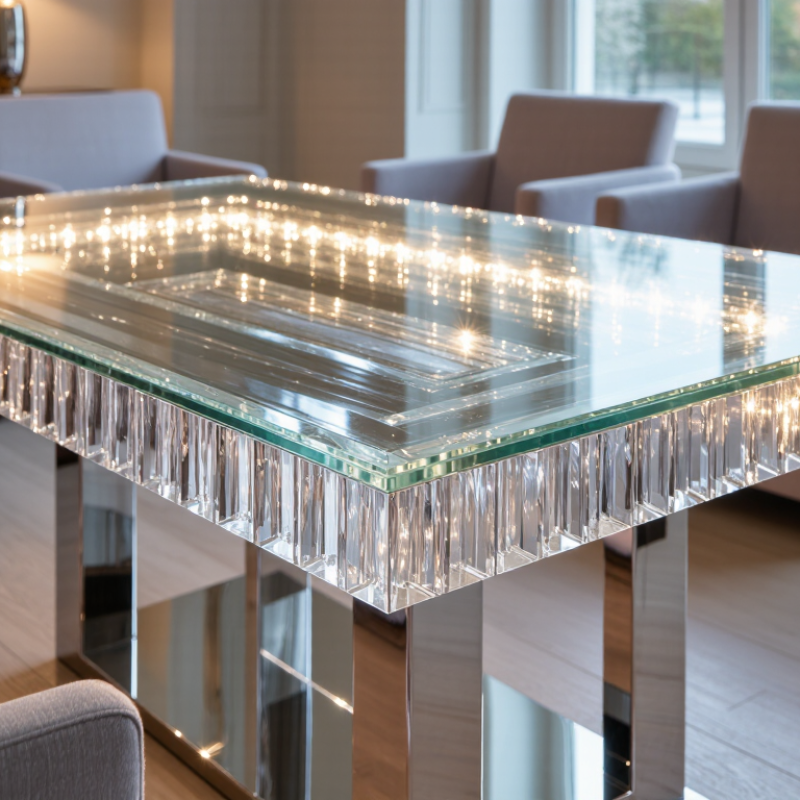
A Crystal Table can look weightless under warm lighting. Its edges may sparkle like cut ice. Yet appearance alone is not enough. Buyers must examine crystal or glass composition, tabletop thickness, base stability, load capacity, polishing quality, and protective packaging. Charles Eames, a major furniture design authority, said, “The details are not the details. They make the design.” That principle matters here. A small uneven edge can affect safety, comfort, and long-term value.

This guide compares styles, materials, manufacturing quality, certifications, packaging, and supplier communication for global purchasing decisions. It also considers practical details, including door dimensions, installation access, shipping insurance, and replacement policies. Those details are often ignored. That is a mistake. Supplier claims should be checked against product drawings, factory photographs, test documents, and verified buyer feedback. The information is designed to support careful evaluation, not replace professional inspection. Some recommendations may need revision as materials, freight costs, and design preferences change. A beautiful Crystal Table is only a successful purchase when it arrives safely, performs reliably, and suits its intended space.
2026 Best Crystal Table Buying Guide for Global Buyers?

What Defines a Crystal Table in 2026

In 2026, a crystal table means more than a clear tabletop with sparkling edges. It is a furniture piece built around optical clarity, structural safety, and disciplined craftsmanship. In practice, buyers should ask whether “crystal” describes solid crystal, crystal glass, or a decorative crystal surface. These materials differ in weight, hardness, repair options, and price. A reliable specification should state thickness, edge treatment, load capacity, and the support frame’s material. It must feel substantial. Details matter.

Modern crystal tables often use low-iron glass for cleaner transparency and fewer green tones. Tempered glass improves impact performance, while laminated construction can help retain fragments after breakage. Neither option makes a table indestructible. Buyers should inspect test reports, production tolerances, and installation guidance before ordering internationally. Rounded corners, stable feet, and protected edges are especially important in homes with children or frequent movement. Clear surfaces also reveal fingerprints, dust, and tiny scratches, so maintenance expectations belong in the buying decision.

The 2026 definition also includes responsible manufacturing. Ask about recycled content, energy use, packaging, and repair or replacement support. A supplier with documented processes is easier to evaluate than one offering only impressive photographs. I have seen elegant samples fail to answer basic questions about weight or anchoring. That is a warning, not a minor omission. Crystal Furniture remains a visual investment, but honest specifications should guide the purchase more than dramatic shine.

How to Compare Crystal Table Materials and Craftsmanship

When comparing crystal table materials in 2026, look beyond sparkle. Crystal glass, tempered glass, and acrylic each create different experiences. Crystal glass offers sharper reflections and a heavier feel. Tempered glass usually provides stronger daily performance. Acrylic is lighter, but it can scratch more easily.

Run your fingers along the edge. A refined table should feel smooth, even, and carefully polished. Inspect the corners under bright light. Small waves, cloudy patches, or uneven thickness may reveal rushed production. In my experience, precise cutting matters as much as the material itself. Still, visual inspection is not enough. Ask for material specifications, load guidance, surface-care instructions, and production photographs. A beautiful finish can hide weak support details.

Tips: Compare the tabletop, base, joints, and packaging as one system. Check whether the frame sits level on a hard floor. Look for clean joins and stable hardware. Request a sample when possible. It may look slightly different from online images, and that difference deserves discussion. Avoid choosing only by weight or shine; heavier does not always mean better. Consider room lighting, delivery distance, cleaning habits, and expected use. One mistake is assuming every “crystal” label describes the same composition. Ask direct questions, and keep written specifications before ordering.

Which Crystal Table Designs Suit Different Spaces and Uses

Crystal tables do not suit every room in the same way. Design should follow the space, not only the buyer’s taste.

In a compact living room, choose a round table with a slim metal base. Its soft outline improves movement around sofas and reduces sharp corners.

A rectangular crystal table works better in long lounges or conference areas. It provides clear alignment with seating and leaves useful surface space.

For dining rooms, select a wider top with a stable central base. This arrangement gives guests more legroom and simplifies cleaning.

A small side table suits bedrooms, reading corners, and hotel-style reception areas.

Look for a lower height beside chairs, with a raised rim for drinks or small objects. In offices, a clear tabletop can make a meeting room feel brighter. However, strong overhead lighting may create reflections on the surface.

That detail is easy to miss. Frosted, tinted, or textured crystal can soften glare and add visual depth.

Measure doorways, lifts, and stair turns before ordering. The table may fit the room but fail during delivery. Check tabletop thickness, edge finishing, base stability, and protective packaging.

Ask for material specifications and care instructions from the supplier.

One imperfect assumption can be expensive: crystal may look delicate, yet a heavy design can overload a lightweight floor or cabinet. Use level pads and avoid placing hot cookware directly on the surface.

How to Evaluate Suppliers, Certifications, and Global Quality Standards

2026 Best Crystal Table Buying Guide for Global Buyers

Choosing a crystal table supplier requires more than checking photographs or a low quotation. Ask for the material specification, production address, and recent batch records. Experienced buyers should compare crystal clarity, thickness, edge finishing, load capacity, and packaging performance.

A clear sample can still hide weak bonding or internal stress. Request independent laboratory reports for relevant safety and durability tests. Reports should identify the tested product, batch, date, and testing laboratory.

Review quality systems such as ISO 9001, but do not treat certification as proof of perfect production. Confirm the certificate’s scope, validity, and issuing body.

Depending on the destination, ask about applicable chemical, electrical, packaging, and furniture requirements. Some markets may require evidence related to restricted substances, impact resistance, or formaldehyde emissions from supporting materials. Requirements differ. Verify them with local professionals or import authorities. A supplier refusing traceable documents deserves caution.

Tips: Compare at least three suppliers. Request a pre-shipment inspection. Check carton corners, foam density, and moisture protection. Record every promise in the purchase agreement. Ask whether the production sample matches the delivered batch. It often does not. That weakness should make you reconsider inspection frequency, not merely negotiate a discount. Maintain photos, test records, and corrective-action reports for each shipment. Trust grows through repeatable evidence, not confident claims.

What Shipping, Costs, and After-Sales Factors Should Buyers Check

When buying a crystal table internationally, shipping deserves the same attention as design. Crystal is heavy, fragile, and expensive to replace. Ask for the packed dimensions, gross weight, and pallet count before approving the order. A small table may still require oversized freight because protective crates add volume. Confirm whether the quote includes export packing, inland transport, port charges, customs handling, and final delivery.

Request photos of the crate before shipment. Look for foam corners, moisture barriers, shock indicators, and firm internal supports. Sea freight usually costs less, but it takes longer and may expose the package to humidity and repeated handling. Air freight is faster, yet its dimensional weight can be surprisingly high. I would compare at least two complete landed-cost estimates. Cheap freight often hides storage or destination fees. That mistake is common.

After-sales terms should be written in measurable language. Check the inspection period, damage-report procedure, replacement timeline, and responsibility for return freight. Ask whether small chips can be repaired locally, or whether the entire top must be replaced. Keep photos of the unopened crate and record any visible damage immediately. A video helps. Payment should not be released automatically before inspection if the agreement allows a holdback. I would also request care instructions and a named service contact. Some sellers promise support verbally, but that is weak protection. My own buying checklist is not perfect; local customs delays and handling practices can still change the final cost.

2026 Best Crystal Table Buying Guide for Global Buyers? - What Shipping, Costs, and After-Sales Factors Should Buyers Check

Evaluation Dimension Recommended Buyer Check Typical 2026 Reference Data Risk Level Practical Buying Action
Tabletop Size Confirm the packed and assembled dimensions, including edge clearance and leg position. Common dining sizes: 120 × 70 cm, 160 × 80 cm, and 180 × 90 cm. Large tops may require two-person handling. Medium Request a dimensioned drawing and verify door, elevator, stairway, and room access before ordering.
Glass or Crystal Material Ask whether the top is tempered glass, laminated glass, cast glass, or decorative crystal-effect material. Tempered glass is commonly selected for furniture because it has improved impact and thermal-shock resistance compared with ordinary annealed glass. Medium Obtain the material specification, thickness, edge treatment, and applicable safety-test documentation.
Top Thickness Check thickness separately from the visual crystal effect and confirm the maximum supported load. Decorative glass furniture tops are often approximately 8–15 mm thick, but the safe load depends on size, support spacing, and edge design. High Require a written load rating and avoid relying on thickness alone as proof of safety.
Table Weight Confirm the net weight, gross shipping weight, and weight of each removable component. A medium glass-top table may weigh roughly 45–100 kg, depending on the top, base, frame, and packaging. Medium Arrange suitable unloading equipment and verify floor-load and installation requirements.
Indicative Product Cost Separate the table price from packaging, inland delivery, export handling, insurance, duties, and local taxes. Indicative factory or wholesale pricing for a mid-size decorative crystal-effect table: approximately USD 180–900 before international logistics, depending on materials and workmanship. Medium Compare total landed cost rather than the quoted unit price only.
Export Packaging Check inner cushioning, edge protectors, moisture barriers, shock indicators, and crate quality. A robust export package commonly adds about 15–35% to the product's packed volume and can add 20–80 kg to gross weight for larger tables. High Approve packaging photos or a packaging specification before production begins.
Ocean Freight Compare LCL and FCL quotations using the same trade term, port pair, cargo dimensions, and insurance basis. LCL pricing is normally calculated by chargeable volume or weight; a single table can incur minimum charges and destination handling fees. High Request an all-in freight breakdown and confirm which destination charges are excluded.
Air Freight Use air transport only when delivery speed justifies volumetric-weight charges and higher damage exposure. Air freight is generally much faster than ocean freight but may be uneconomical for bulky furniture because carriers charge by actual or volumetric weight, whichever is higher. Medium Obtain the chargeable-weight calculation before approving an air shipment.
Transit Time Ask for production time, port-to-port time, customs time, and final-mile delivery time separately. Typical planning ranges are 4–10 weeks by ocean and 5–14 days by air, excluding unusual port congestion, customs inspection, or local delivery delays. Medium Build a delivery buffer of at least 15–25% for time-sensitive projects.
Trade Terms Confirm whether the quotation is EXW, FOB, CIF, DAP, or DDP and identify the party responsible for import clearance. The same product can have materially different landed costs under different Incoterms because freight, insurance, customs, and delivery responsibilities change. High Use one clearly stated Incoterm with a named destination and validity date.
Import Duties and Taxes Verify the correct HS classification, customs valuation, duty rate, VAT or sales tax, and brokerage fees in the destination market. Rates vary by destination, material composition, origin, and trade agreement; no universal duty percentage should be assumed. High Obtain a written estimate from a licensed customs broker before placing the order.
Transport Insurance Check whether coverage includes breakage, concealed damage, water exposure, theft, and handling during transshipment. Coverage limits, exclusions, deductibles, and claim deadlines vary by policy; standard carrier liability may be lower than the cargo's full commercial value. High Purchase cargo insurance based on the documented replacement value and retain all packing records.
Pre-Shipment Inspection Inspect dimensions, surface finish, joints, stability, packaging, and visible defects before dispatch. A third-party inspection is especially useful for custom, fragile, or multi-unit orders and should be completed before final payment. Medium Use an agreed inspection checklist with measurable acceptance criteria.
Warranty Coverage Confirm warranty duration, covered parts, exclusions, labor responsibility, and whether shipping is included. Furniture warranties commonly range from 12–24 months, but cosmetic damage, misuse, installation errors, and transport damage may be excluded. Medium Make the warranty part of the sales contract rather than relying on informal messages.
Damage Claims Establish the notification period, required photographs, inspection process, and replacement or refund procedure. Many logistics providers require visible damage to be recorded at delivery and concealed damage to be reported within a short contractual period. High Photograph the crate before opening, record damage on the delivery document, and retain all packaging.
Replacement Parts Check availability of legs, fasteners, leveling feet, protective pads, and replacement glass or decorative components. Small hardware is usually easier to replace than a custom-sized top; replacement lead time can extend to several weeks for made-to-order components. Medium Order spare hardware with the original shipment and document component specifications.
Payment Protection Review deposit percentage, balance trigger, inspection rights, cancellation terms, and dispute mechanism. Custom furniture transactions often involve a deposit before production; the exact split should be negotiated according to order value and buyer risk. High Link final payment to approved inspection results and complete shipping documentation.

Note: Cost, freight, duty, and delivery figures are indicative planning ranges for 2026 and can change by origin, destination, season, cargo dimensions, material specification, customs classification, and service level. Buyers should obtain a current written quotation and verify import requirements with a qualified customs broker.