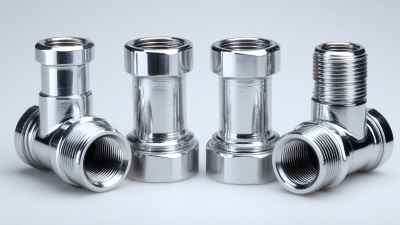
As we look ahead to 2025, the sanitary pipe fittings industry is poised for significant transformations driven by technological advancements, sustainability demands, and evolving consumer preferences. Sanitary pipe fittings, crucial in maintaining hygiene standards across various sectors such as food and beverage, pharmaceuticals, and waste management, are at the forefront of this evolution. The increasing emphasis on health and safety, coupled with stricter regulations, is pushing manufacturers to innovate and enhance the functionality and efficiency of their products.
Emerging trends in the industry indicate a strong shift towards eco-friendly materials and processes, aligning with global sustainability goals. Manufacturers are exploring advanced materials that not only meet sanitary requirements but also reduce environmental impact. In addition, the integration of smart technology within sanitary pipe fittings is anticipated to facilitate better monitoring and maintenance, ensuring higher efficiency and longevity.
Furthermore, consumer awareness and demand for high-quality products are driving the necessity for advancements in design and manufacturing processes. As more industries recognize the importance of sanitary pipe fittings in their operations, staying abreast of these trends will be vital for stakeholders looking to navigate the future landscape effectively. With these developments on the horizon, the sanitary pipe fittings sector is entering a promising phase of growth and innovation.

In 2025, the sanitary pipe fittings industry is poised to experience significant advancements driven by emerging technologies. One of the most impactful trends is the integration of smart manufacturing techniques, including automation and IoT connectivity.
These innovations are expected to enhance the precision and efficiency of production processes, ensuring that sanitary fittings meet the stringent hygiene standards required in industries such as food and beverage, pharmaceuticals, and biotechnology. With smart sensors and real-time data analytics, manufacturers can monitor the quality of their products throughout the supply chain, reducing the risk of contamination and improving operational workflows.
Another noteworthy trend is the adoption of sustainable materials in the production of sanitary pipe fittings.
As environmental concerns gain prominence, the industry is likely to shift toward utilizing eco-friendly alternatives without compromising on performance and durability. Biodegradable plastics and recycled metals are being explored as viable options, underscoring a commitment to sustainability. Furthermore, advancements in surface treatments and coatings are expected to enhance the resistance of fittings to corrosion and microbial growth, thus prolonging their lifespan and ensuring sanitary conditions.
This holistic approach to both technology and sustainability will redefine the standards for sanitary pipe fittings by 2025, aligning with the increasing demand for safer and more reliable infrastructure solutions.
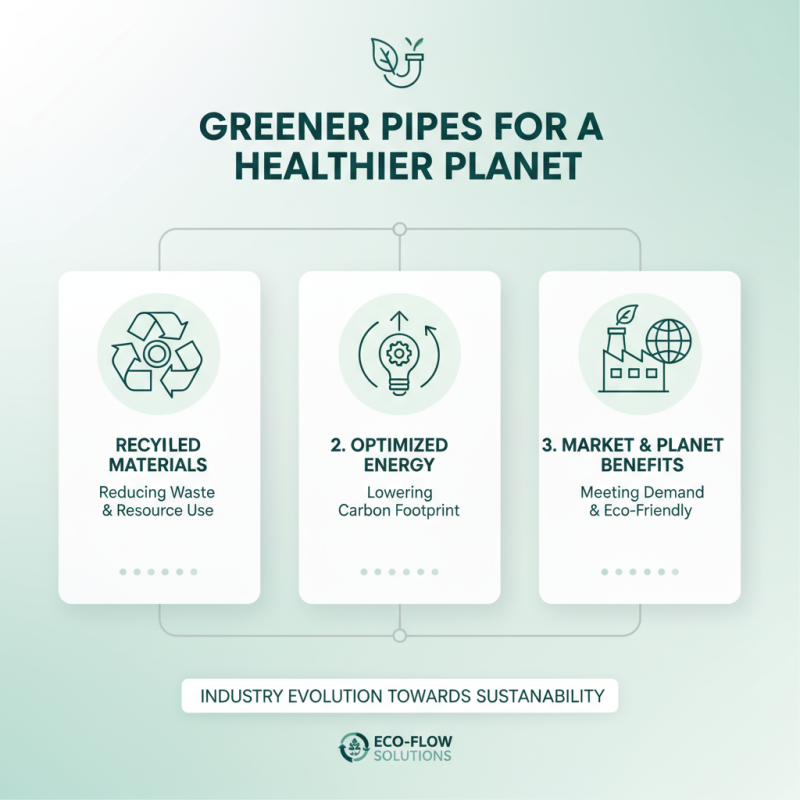
As the sanitary pipe fittings industry continues to evolve, the focus on sustainability initiatives has become increasingly significant. Manufacturers are now prioritizing environmentally friendly practices by utilizing recycled materials in their production processes and optimizing energy consumption. This shift not only reduces the carbon footprint associated with manufacturing but also meets the growing demand from consumers and regulatory bodies for sustainable products. By adopting eco-friendly methods, companies can enhance their market appeal while contributing to a healthier planet.
Additionally, the emphasis on sustainability has spurred innovation in design and technology within the sanitary pipe fittings sector. Companies are exploring new materials that possess superior durability and lower environmental impact, such as biocompatible polymers and corrosion-resistant metals. Furthermore, digital solutions for monitoring and maintaining pipe systems are becoming more prevalent, allowing for improved resource management and waste reduction. This evolution aligns with global efforts to promote sustainability within all aspects of production and consumption, ultimately leading the industry toward a more responsible future.
The sanitary pipe fittings industry is witnessing significant changes driven by evolving consumer preferences. According to a recent report from Research and Markets, the global sanitary fittings market is expected to reach USD 8.4 billion by 2025, growing at a CAGR of 5.6%. This growth is primarily influenced by heightened awareness of hygiene and safety, especially in food and beverage processing sectors. Consumers are increasingly demanding products that not only meet industry standards but also incorporate features that enhance cleanliness and ease of maintenance.
As sustainability becomes a crucial consideration for consumers, manufacturers are responding with innovative designs that incorporate eco-friendly materials and processes. A study from Deloitte highlights that 62% of consumers are willing to modify their purchasing behavior to reduce environmental impact. This shift is prompting sanitary pipe fittings to adopt more sustainable materials such as recycled plastics and efficient manufacturing processes that minimize waste. Additionally, the integration of smart technology into sanitary fittings is on the rise, catering to a tech-savvy consumer base that values convenience and real-time monitoring.
The emphasis on customization is another defining trend shaping the future of sanitary fittings design. According to a report by Grand View Research, a growing number of consumers prefer tailored products that fit their specific needs within various applications, from healthcare to culinary settings. This demand for personalization is pushing manufacturers to explore modular designs that allow for adaptability and scalability, ensuring that fittings can meet diverse operational requirements without compromising on hygiene standards.
| Trend | Description | Impact on Design | Consumer Preference Shift |
|---|---|---|---|
| Eco-Friendly Materials | Increasing demand for sustainable and recyclable materials. | Designs incorporating biodegradable polymers and recycled metals. | Shift towards environmentally conscious purchasing decisions. |
| Smart Technology Integration | Integration of IoT devices for monitoring and maintenance. | Designs that accommodate sensors and connectivity features. | Preference for products that enhance efficiency and diagnostics. |
| Compact Design | Need for space-saving solutions in urban environments. | Sleeker, smaller fittings that maximize utility without bulk. | Growing trend for urban compact living solutions. |
| Increased Customization | More demand for bespoke solutions to meet specific needs. | Modular designs and customizable fittings. | Preference for personal tailored solutions in plumbing. |
| Health and Safety Focus | Rising health standards demanding more sanitary options. | Anti-bacterial and easy-clean surfaces in designs. | Shift towards products prioritizing hygiene and safety. |
In 2025, the sanitary pipe fittings industry is poised for significant transformation, largely driven by evolving regulatory frameworks. Recent studies indicate that compliance with tighter sanitary standards could affect nearly 75% of manufacturers globally. The introduction of new regulations is primarily focused on enhancing product safety and environmental sustainability, spurring a shift towards materials that meet stricter hygienic requirements. For instance, the FDA and other regulatory bodies have begun to mandate the use of certified materials that limit contamination risks, resulting in increased scrutiny upon product certifications.
As these regulations evolve, manufacturers must adapt quickly to maintain compliance and stay competitive. According to a report by the International Society for Pharmaceutical Engineering, nearly 58% of companies are ramping up their training programs to ensure their teams are knowledgeable about updated standards. This proactive approach not only mitigates potential legal repercussions but also underscores a commitment to quality and safety within the industry.
Tips: One method to navigate these regulatory changes effectively is to implement a robust quality management system that incorporates both current regulations and anticipated future changes. Additionally, engaging in industry forums and training opportunities can keep teams informed and prepared. Staying ahead of regulatory trends not only ensures compliance but also enhances overall operational efficiency.
As the sanitary pipe fittings industry continues to evolve, market growth predictions for 2025 indicate a robust expansion driven by increasing demand in various sectors, including food and beverage, pharmaceuticals, and water treatment. The ongoing emphasis on hygiene and safety in production processes is expected to spur innovations in sanitary fittings, leading to the adoption of new materials and designs that enhance functionality and compliance with stringent regulations.
Key players in the market are anticipated to leverage advanced manufacturing technologies and invest in research and development to stay competitive. Collaboration and strategic partnerships will be crucial as companies seek to expand their market presence and introduce innovative solutions tailored to the specific needs of their clients. Additionally, sustainability will play a significant role in shaping market dynamics, with increasing emphasis on eco-friendly materials and production practices as industries strive to reduce their carbon footprints while meeting the growing demand for high-quality sanitary solutions.
This chart illustrates the key trends expected in the sanitary pipe fittings industry by 2025, focusing on market growth predictions, material innovations, regulatory changes, sustainability initiatives, and technological advancements. Each bar represents the anticipated impact (in percentage) of these factors on the industry.
By continuing to browse or by clicking “Accept All Cookies,” you agree to the storing of first- and third-party cookies on your device to enhance site navigation, analyze site usage, and assist in our marketing efforts. View our Privacy and Cookie Policy.