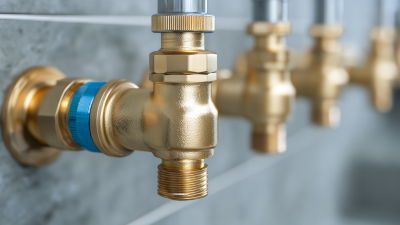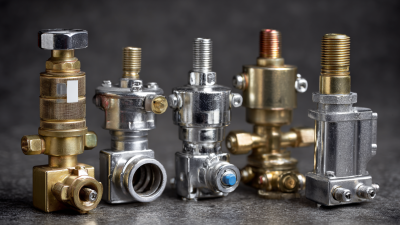
When it comes to plumbing and water management, choosing the right water fittings is crucial for both functionality and efficiency in any home or commercial setting. As we move towards 2025, advancements in technology and design are shaping the market for water fittings, making it essential for consumers and professionals to stay informed about the best options available. This guide aims to provide an overview of the key considerations when selecting water fittings, ensuring that readers can make informed decisions tailored to their specific needs.
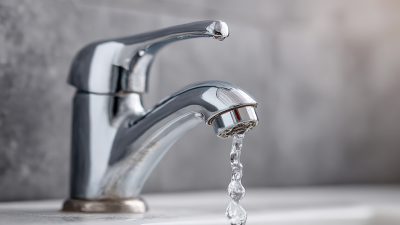
In this comprehensive guide, we will explore various types of water fittings, including their materials, designs, and intended applications. Understanding the different options, from taps and faucets to couplings and valves, is vital for achieving optimal water flow and minimizing leaks. Moreover, we will discuss the importance of quality and durability, as well as the role of energy efficiency in modern water fittings. Armed with the right knowledge, readers will be empowered to choose the best water fittings that blend functionality, sustainability, and style for their projects in the years to come.
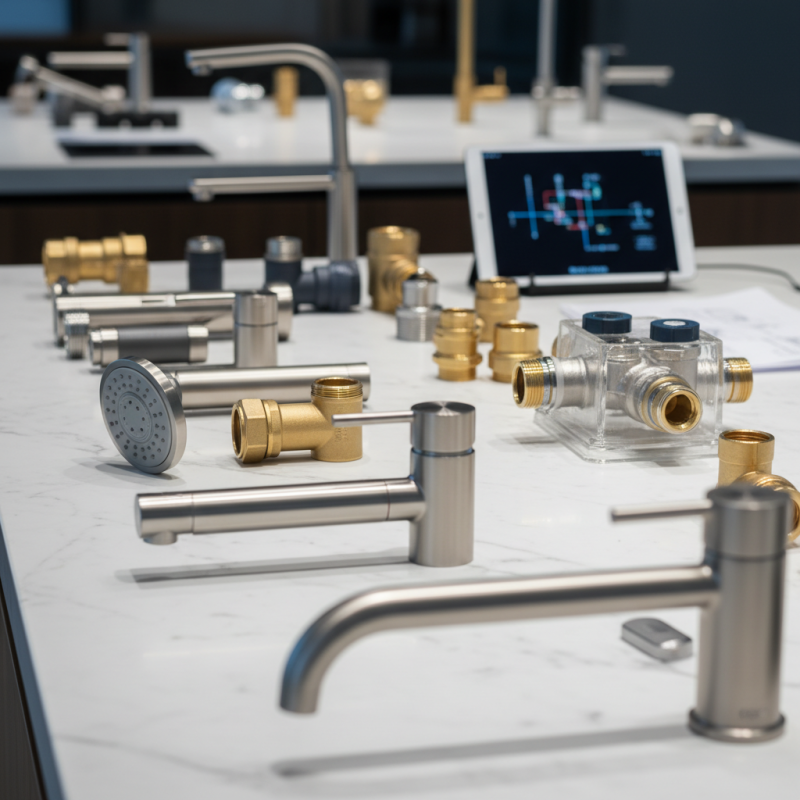
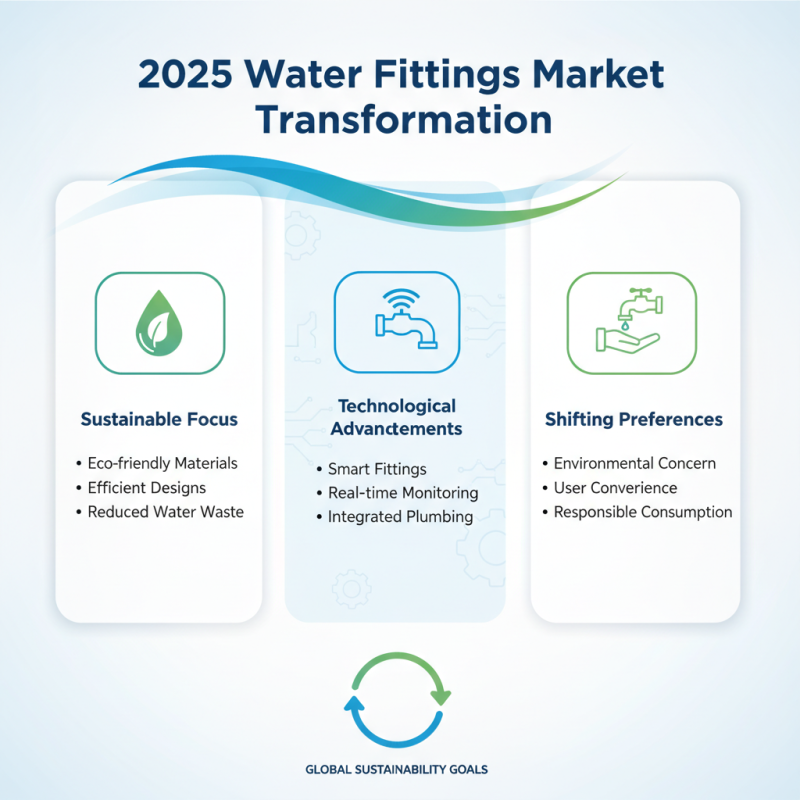
The 2025 water fittings market is poised for significant transformation, driven by a combination of technological advancements and shifting consumer preferences. As environmental concerns continue to escalate, manufacturers are increasingly focusing on sustainable materials and efficient designs that reduce water waste. Innovations such as smart fittings, which allow for real-time monitoring of water usage, are gaining traction, reflecting a broader trend toward integrating technology with traditional plumbing solutions. This not only enhances convenience for the user but also promotes responsible water consumption, aligning with global sustainability goals.
Moreover, the market is experiencing a growing demand for customizable and versatile fittings that fit various types of applications, from residential to industrial uses. This shift is being propelled by the rising trend of smart homes and buildings, where seamless integration of water systems is becoming essential. Emerging demographics, particularly millennials and Gen Z, are more inclined to invest in products that not only perform effectively but also offer longevity and environmental benefits. As these trends continue to shape the landscape, both consumers and manufacturers must stay informed and adaptable to harness the opportunities that the evolving water fittings market presents in 2025 and beyond.
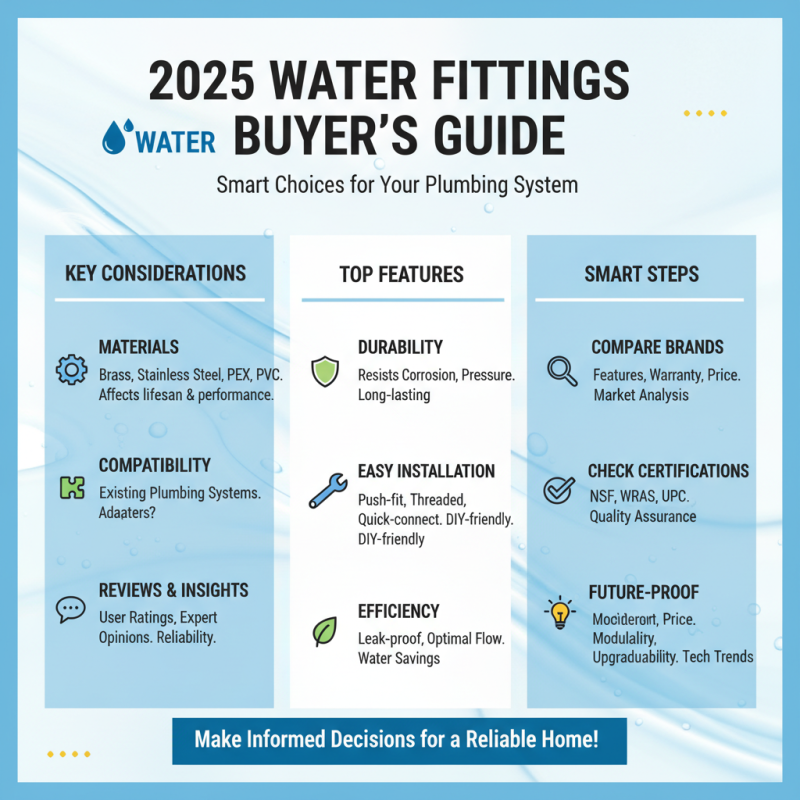
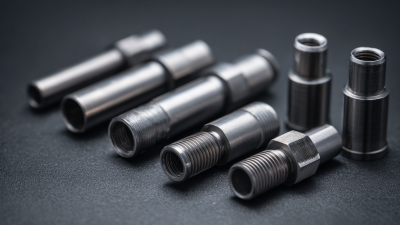
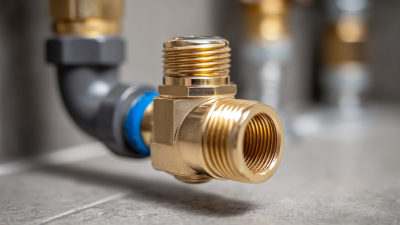
When selecting effective water fittings, several key factors come into play. First and foremost, it is essential to consider the material of the fittings. Options like brass, PVC, and stainless steel each come with their own durability and resistance properties. Brass, for instance, offers strength and corrosion resistance, making it ideal for long-term use, while PVC is lightweight and resistant to certain chemicals, albeit less durable under extreme conditions. Understanding the environment in which the fittings will be used will guide this material choice significantly.
Another crucial factor is the size and compatibility of the fittings with existing plumbing systems. Incorrect sizing can lead to leaks and pressure issues, which can be costly and inconvenient. It’s essential to accurately measure the dimensions and consider the specifications of current fixtures before making a decision. Additionally, the type of connection—threaded, compression, or push-fit—will determine ease of installation and future maintenance. Taking the time to evaluate these parameters will ultimately aid in selecting the best water fittings for your specific needs.
When selecting the best water fittings for your needs in 2025, understanding the key features and performance of different brands and products is essential. A good comparative analysis can help you differentiate between options available in the market. Look for fittings that offer durability, easy installation, and compatibility with existing plumbing systems. Reading user reviews and expert insights can also provide valuable information on the reliability and efficiency of each product. Pay attention to the materials used, as they can greatly affect the lifespan and performance of the fittings.
**Tips:** When assessing water fittings, ensure that you consider the warranty offered by manufacturers, as this can reflect the quality and reliability of the products. Additionally, look for fittings that come with easy-to-follow installation instructions or consider seeking professional help to ensure a proper fit and function.
It's also important to think about the specific application of the water fittings. Whether you're upgrading for a kitchen, bathroom, or outdoor space, each application may have different requirements. Doing thorough research on the specifications that best suit your projects can help you avoid common pitfalls and ensure long-term satisfaction with your selections.
**Tips:** Always check the certification standards met by each product, ensuring they comply with local regulations for safety and quality. This will ensure that your water fittings not only perform well but also contribute to overall water conservation efforts.
When selecting water fittings in 2025, the importance of sustainability cannot be overstated. Eco-friendly materials such as recycled metals, biodegradable plastics, and innovative composites are becoming increasingly prevalent in the industry. According to a recent industry report by the Water Efficiency Association, sustainable fittings can reduce water wastage by up to 30%, ultimately contributing to more responsible water usage in domestic and commercial applications. Choosing fittings made from sustainable materials not only helps in conserving natural resources but also minimizes your carbon footprint.
Tips for selecting sustainable water fittings include checking for certifications that indicate eco-friendly practices, like those issued by the International Association of Plumbing and Mechanical Officials (IAPMO). Look for fittings that are designed with a long lifespan in mind; durable products reduce the need for frequent replacements, thus lessening material waste. Engaging with suppliers who demonstrate a commitment to sustainability in their manufacturing processes is essential, as it ensures that you are sourcing products that reflect responsible environmental practices.
Furthermore, consider the potential for water-efficient technology incorporated into water fittings. Usage of fittings that employ low-flow technology can significantly decrease water consumption, with some reports suggesting savings of up to 50% compared to traditional fittings. In the evolving landscape of water technology, keeping sustainability at the forefront not only aids in conservation efforts but also enhances the overall efficacy of water distribution systems.
| Type of Water Fitting | Material | Sustainability Rating | Recyclable | Estimated Lifespan (Years) |
|---|---|---|---|---|
| Faucet | Brass | A | Yes | 15 |
| Showerhead | Plastic | B | No | 10 |
| Water Valve | Copper | A+ | Yes | 20 |
| Toilet Fitting | Ceramic | B+ | No | 25 |
| Hose Connector | Recycled Plastic | A | Yes | 8 |
As we look towards 2025, the landscape of water fittings technology and design is on the brink of significant transformation. Innovations in smart technology are at the forefront of these changes, with the global smart water management market projected to reach $22.8 billion by 2025, according to a recent report by MarketsandMarkets. These advancements enable efficient monitoring and management of water usage, which is crucial as concerns about resource scarcity grow. Key features such as real-time leak detection and automated flow adjustments are becoming standard in high-quality water fittings, greatly enhancing both sustainability and user experience.
In addition to smart technology, sustainable materials are revolutionizing the design and functionality of water fittings. The increasing demand for eco-friendly products has led to a shift towards materials like recycled plastics and advanced alloys that minimize environmental impact while maintaining durability. The International Water Association forecasts that the global market for green plumbing products will grow by over 13% annually until 2025. This transition not only supports environmental goals but also fulfills regulatory requirements that are tightening worldwide, making it more essential than ever for manufacturers to innovate in material selection and design approaches. As we move forward, the integration of technology and sustainability will define the future of water fittings, ensuring they meet the evolving needs of consumers and the planet.
By continuing to browse or by clicking “Accept All Cookies,” you agree to the storing of first- and third-party cookies on your device to enhance site navigation, analyze site usage, and assist in our marketing efforts. View our Privacy and Cookie Policy.